Building a high-end gaming PC in 2026 feels less like a hobby and more like a financial stress test. While we have access to incredible hardware from the latest GPU architectures pushing ray tracing limits to processors that laugh at multitasking, the entry fee for the “PC Master Race” has never been higher.
It is not just about the graphics cards anymore. We are facing a perfect storm in the component market that is squeezing builders from every angle, forcing enthusiasts to rethink how they allocate their budget.
The “AI Tax” on Your RAM
If you have looked at memory prices recently, you might have experienced a bit of sticker shock. The rising cost of RAM isn’t arbitrary, it is a direct collateral effect of the global Artificial Intelligence boom.
The explosion of AI and data center demand has forced major memory manufacturers to pivot their production lines aggressively toward High Bandwidth Memory (HBM). HBM is the lifeblood of AI accelerators, and the demand for it is insatiable. Unfortunately, production capacity is finite. As fabs retool to churn out HBM stacks for enterprise clients, the production volume for standard consumer DDR5 modules has taken a hit.
Basic economics dictates what happens next: low supply meets high demand. Industry analysts predict that this scarcity will keep consumer RAM prices elevated through at least the end of 2026. For the PC builder, this means that 32GB or 64GB of fast, low-latency memory, which is increasingly becoming the standard for modern gaming is now a significantly larger line item in your build’s bill of materials.
The “Empty Rig” Syndrome
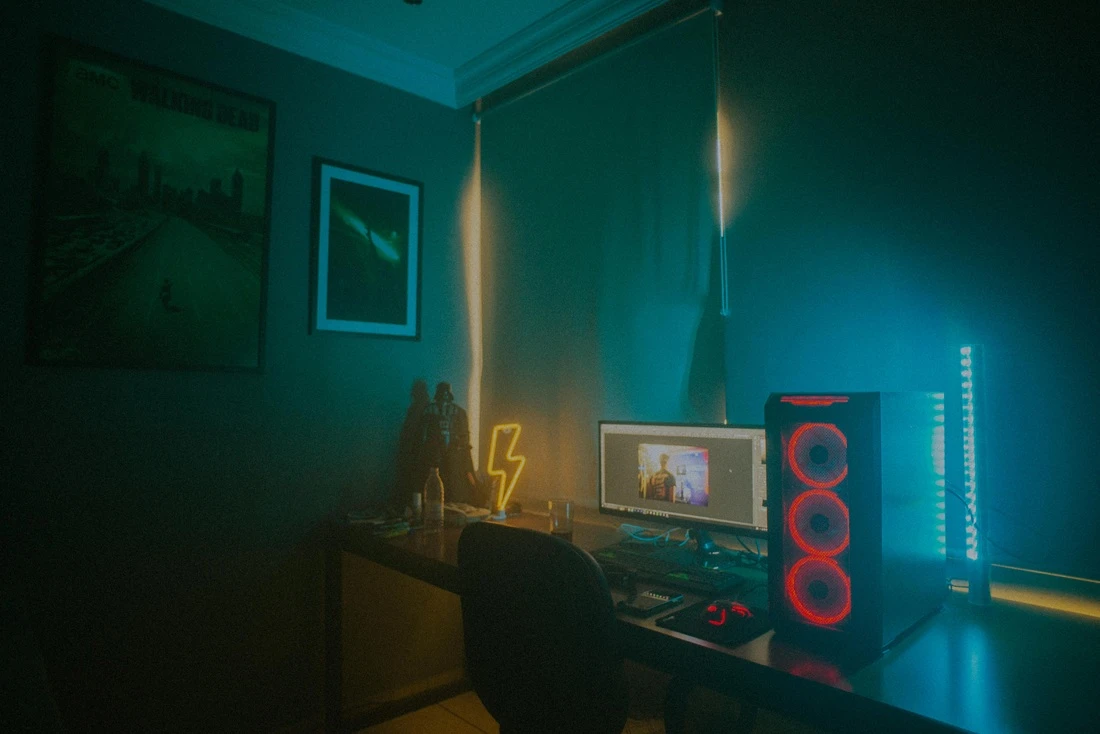
This inflation creates a scenario many builders know too well. You spend months saving up. You hunt for deals on a powerful GPU, you bite the bullet on the overpriced RAM because you don’t want to bottleneck your CPU, and you finally assemble the beast. You peel off the plastic from the tempered glass, press the power button, and watch it post.
And then you realize you have zero budget left to actually play anything on it.
With AAA game prices standardizing at $70 or even $80 for “Ultimate Editions,” filling a 2TB NVMe drive with the latest releases can cost as much as a mid-range graphics card. It is the builder’s tragedy: owning a Formula 1 car but having no money for fuel.
Where to Cut Costs (And Where Not To)
When the budget gets tight, the temptation to cut corners rises. However, veteran builders know that skimping on hardware is a recipe for disaster. Buying a cheap, “explosive” power supply unit (PSU) puts your entire investment at risk. Downgrading your cooling solution leads to thermal throttling, meaning you paid for performance you can’t use.
So, if you can’t compromise on the hardware, you must optimize the software spending.

The Software Solution
The beauty of the PC platform lies in its open market. Unlike closed console ecosystems where you are at the mercy of a single digital storefront, PC gamers have options. This is where dedicated platforms like Rushgame come into play as a strategic resource for your wallet.
Smart builders treat software costs as a variable, not a fixed expense. By utilizing reputable third-party marketplaces, you can secure legitimate, discounted steam keys for the very titles you need to test your new system. Whether you are looking for the latest open-world RPG to stress-test your ray tracing capabilities or a competitive shooter to validate your high-refresh-rate monitor, buying keys through these channels can save you 30% to 50% off the retail launch price.
That saved money doesn’t just stay in your pocket, it can be reinvested into your rig. That $60 saved on two games could be the difference between a standard SSD and a high-speed Gen5 drive, or the extra cash needed to cover the inflated cost of that RAM kit.
Benchmarking Your Investment
Once you have built your system, it’s time to see what your machine can do. In 2026, you shouldn’t just be playing games, you should be experiencing them.
However, building a diverse testing suite can be costly. To truly validate your rig across different genres, you need access to a wide variety of titles. This is why browsing a broad catalog of PC game keys is essential. It allows you to grab older classics for pennies to test high-FPS performance, alongside newer titles for graphical fidelity, without draining the funds you need for future upgrades.
Conclusion
Building a PC has always been about freedom, the freedom to choose your parts, customize your look, and control your experience. Don’t let market inflation take that away. By being smart about where you buy your silicon and where you buy your software, you can still build a monster rig without an empty library to show for it.