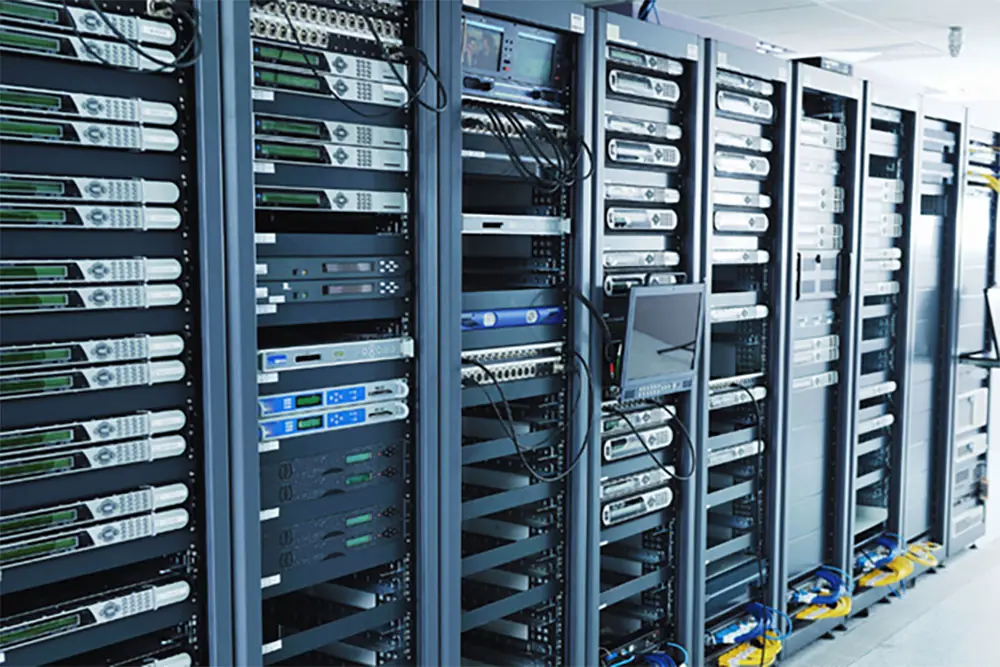
When it comes to upgrading your infrastructure, few investments are as crucial or costly as servers. Yet, in an era where uptime is non-negotiable and budgets are under pressure, IT professionals and business leaders are increasingly turning to refurbished servers as a smart, scalable alternative.
The key? Knowing how to separate the reliable from the risky.
Some refurbished servers undergo rigorous diagnostic testing in climate-controlled labs. Others are simply “used gear” dressed up for resale. Whether you’re evaluatingDell refurbished servers or other enterprise hardware, understanding quality indicators helps you make confident purchasing decisions.
In this guide, we’ll show you what to look for when sourcing quality hardware, whether you’re scaling operations or building your first on-prem environment.
Why Refurbished Doesn’t Mean Sacrificing Quality
Many IT buyers are surprised to learn that professionally refurbished enterprise servers often deliver performance comparable to new systems at a substantially lower cost. Refurbished servers can cost 30–70% less than new hardware, translating into meaningful savings on upfront capital expenditures and long‑term operational planning.
This price differential means organizations can deploy more compute power across projects or data centers while preserving budget for software, security, or staffing needs. For example, if a refurbished system is priced 50% lower than its new equivalent, the freed‑up capital could allow a business to deploy twice as many servers at the same total cost.
This significantly lowers the total cost of ownership (TCO) over the equipment’s usable life.
Unlike “as‑is” used gear, quality refurbished servers undergo rigorous inspection, testing, and component validation to ensure reliability and longevity. This difference helps retain performance and reduces unexpected downtime.
This combination of cost efficiency and dependable operation is why many businesses view refurbished hardware as a strategic investment rather than a temporary stopgap.
Signs of a High-Quality Refurbished Server
1. Thorough Diagnostic Testing
A reputable vendor should detail the diagnostic process each server undergoes. This often includes:
- Multi-point hardware testing (CPU, memory, PSU, storage)
- Burn-in or stress testing
- BIOS and firmware verification
- Visual inspections for capacitor or board damage
Vague testing claims like “tested and working” without specificity are red flags worth avoiding.
2. Verified Component Integrity
A high-quality refurbished server includes verified parts, not just functional ones. This means:
- Matched memory kits from the same vendor/spec
- Power supplies tested under load
- Backplanes, fans, and RAID controllers were evaluated for consistent performance
Top refurbishers also ensure that critical updates, such as firmware patches or security BIOS updates, are pre-applied.
3. Transparent Grading System
Not all refurbished gear looks the same. Quality vendors use clear cosmetic grading systems that help you know exactly what to expect:
- Grade A: Excellent condition, minimal wear
- Grade B: Minor blemishes, fully functional
- Grade C: Heavier wear, often priced accordingly
Understanding this helps avoid surprises when your rack-mount arrives.
4. Business-Ready Warranty & Support
Refurbished doesn’t mean unsupported. In fact, reputable sellers often back their servers with warranties ranging from 1 to 5 years. At a minimum, look for:
- Parts & labor coverage
- Easy RMAs and responsive customer support
- Optional service contracts or spare kits
Quality vendors stand behind their refurbishment processes with meaningful warranty coverage.
Who Refurbished Servers Are Ideal For
Whether you’re running virtualization workloads, hosting applications, or building a hybrid edge-core infrastructure, refurbished servers can meet your demands if sourced right.
Common use cases include:
- Data center expansions without extending CapEx
- Disaster recovery and failover environments
- Edge computing nodes in retail, healthcare, or manufacturing
- Homelab and development testing with scalable architecture
With their modular design, many refurbished servers, especially popular models like Dell PowerEdge systems, can be customized for SSD vs. HDD configurations, additional NICs, or GPU upgrades.
Sustainability: The Silent Advantage
IT sustainability isn’t just a PR checkbox anymore, it’s a business imperative.
In 2022, the world generated 62 million metric tonnes of e‑waste, enough to fill 1.55 million 40‑ton trucks, and that number is expected to rise sharply over the next decade. Major news outlets have also flagged the escalating issue of discarded electronics. The BBC reported that an estimated 5 billion mobile phones could be discarded in a single year, underscoring the scale of the problem and the need for more sustainable consumption and recycling practices. Choosing refurbished hardware, such as enterprise servers, can extend product lifecycles, reduce e‑waste, and lower demand for raw materials.
Companies participating in the circular economy not only save costs but also signal environmental stewardship, which is increasingly monitored by investors, clients, and regulators.
Red Flags to Avoid When Sourcing Refurbished Gear
Not all sellers offer the same level of quality. Here’s what to avoid:
- Lack of documentation: No specs sheet, grading explanation, or part numbers? Walk away.
- Limited accountability: Some marketplaces lack robust return policies or customer protection.
- No warranty: If a seller doesn’t stand behind the gear, why should you?
- No customer references or reviews: Real-world testimonials matter, especially in B2B.
Buying from a vetted, independent refurbisher, not just a box mover, ensures your equipment was handled in controlled environments, not in someone’s garage.
Finding the Right Refurbisher
When sourcing Dell refurbished servers or other enterprise hardware, working with established, certified refurbishers offers several advantages. Look for vendors with:
- Industry certifications like R2v3 for responsible IT asset disposition
- Extensive in-stock inventory from major manufacturers
- In-house engineering capabilities for testing and configuration
- Transparent processes and responsive customer support
Reputable refurbishers often maintain large inventories across multiple brands, including Dell, HPE, Cisco, and Supermicro, giving you flexibility to match your specific infrastructure needs. Same-day shipping and real-time inventory systems can also accelerate deployment timelines.
Final Thoughts
Refurbished servers offer more than a budget-friendly option they represent a smarter, more flexible way to scale infrastructure, maximize value, and contribute to a sustainable future.
But quality is everything.
Knowing what to look for: clear testing standards, warranty coverage, cosmetic grading, and vendor transparency ensures you’ll get enterprise-grade reliability without the enterprise price tag.
Whether you’re optimizing a lab environment or deploying high-performance Dell refurbished servers in production, quality refurbished hardware gives you the power without the premium.