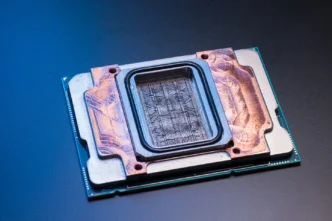
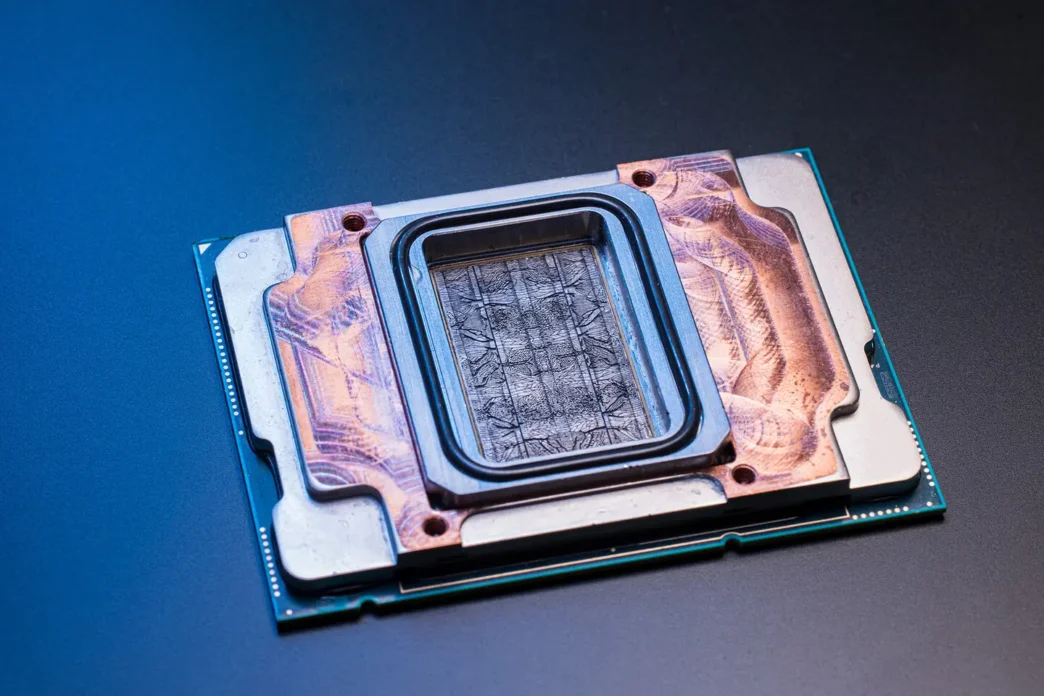
Microsoft has unveiled a revolutionary cooling technology that etches microfluidic channels directly into silicon chips. This innovation aims to significantly enhance the efficiency of AI hardware by bringing liquid coolant closer to the heat sources, promising up to three times better heat removal than conventional methods. The advancement could pave the way for denser, more powerful data centers.
Key Takeaways
- Microfluidic channels etched directly into silicon offer superior cooling efficiency.
- The technology can improve AI chip performance and data center energy efficiency.
- AI is being used to optimize coolant flow patterns for targeted heat dissipation.
- Challenges include manufacturing precision and ensuring leak-proof packaging.
Revolutionizing AI Chip Cooling
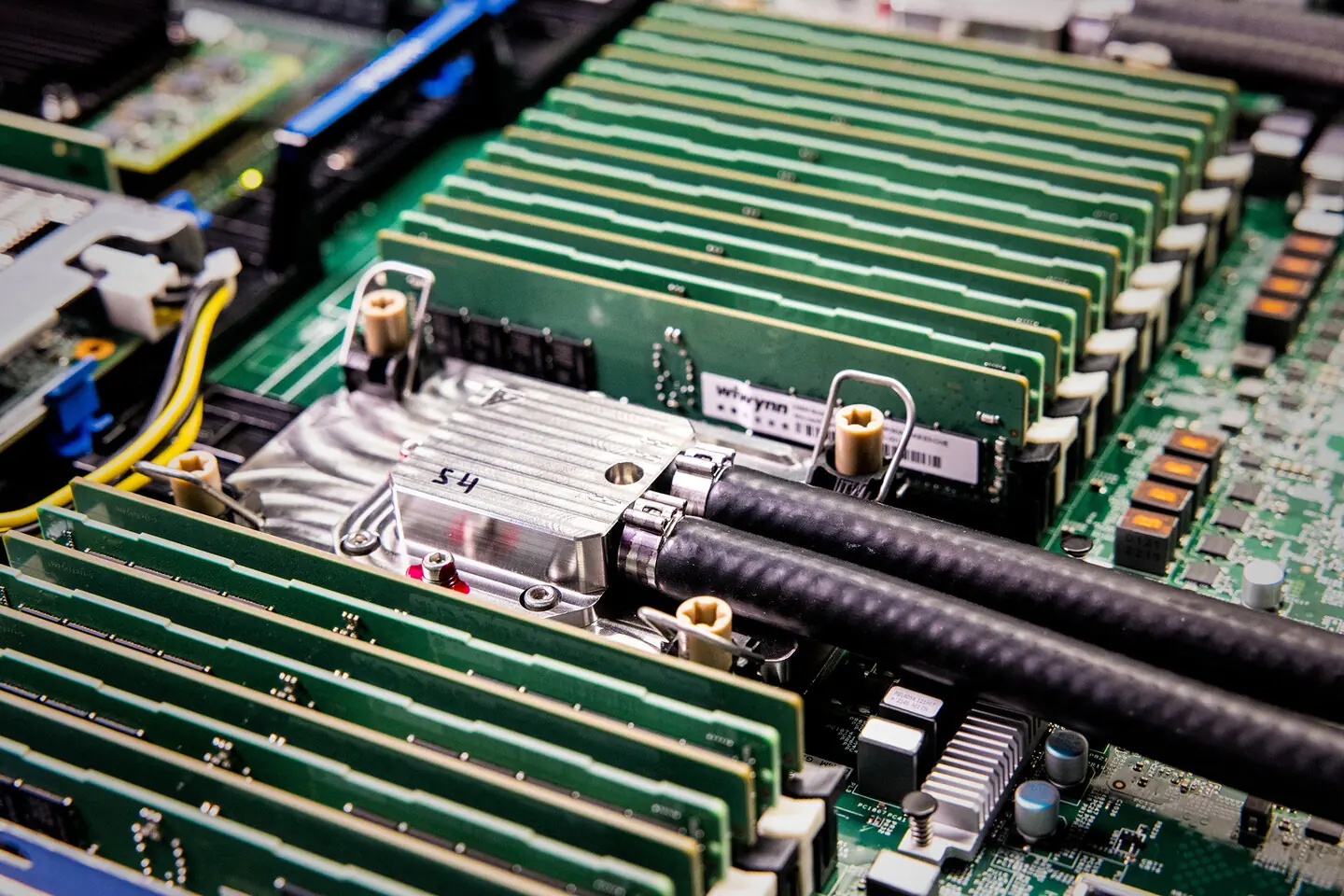
As artificial intelligence workloads continue to intensify, the heat generated by AI accelerators has become a critical bottleneck. Traditional cooling methods, such as cold plates, face limitations due to multiple layers separating the coolant from the heat-generating components. Microsoft’s new approach embeds microfluidic channels directly into the silicon itself. This allows coolant to flow much closer to the transistors, the primary source of heat, thereby reducing thermal barriers and improving heat dissipation.

Enhanced Efficiency and Performance
Internal tests have shown that this microfluidic cooling system can remove heat up to three times more effectively than standard cold plates. It has also been observed to reduce the peak temperature rise within a GPU by approximately two-thirds. This enhanced cooling capability allows data centers to potentially increase the performance of existing hardware, enable higher clock speeds during peak demand, and explore more advanced packaging options like 3D chip layouts, which were previously constrained by thermal management issues.
AI-Driven Design and Future Implications
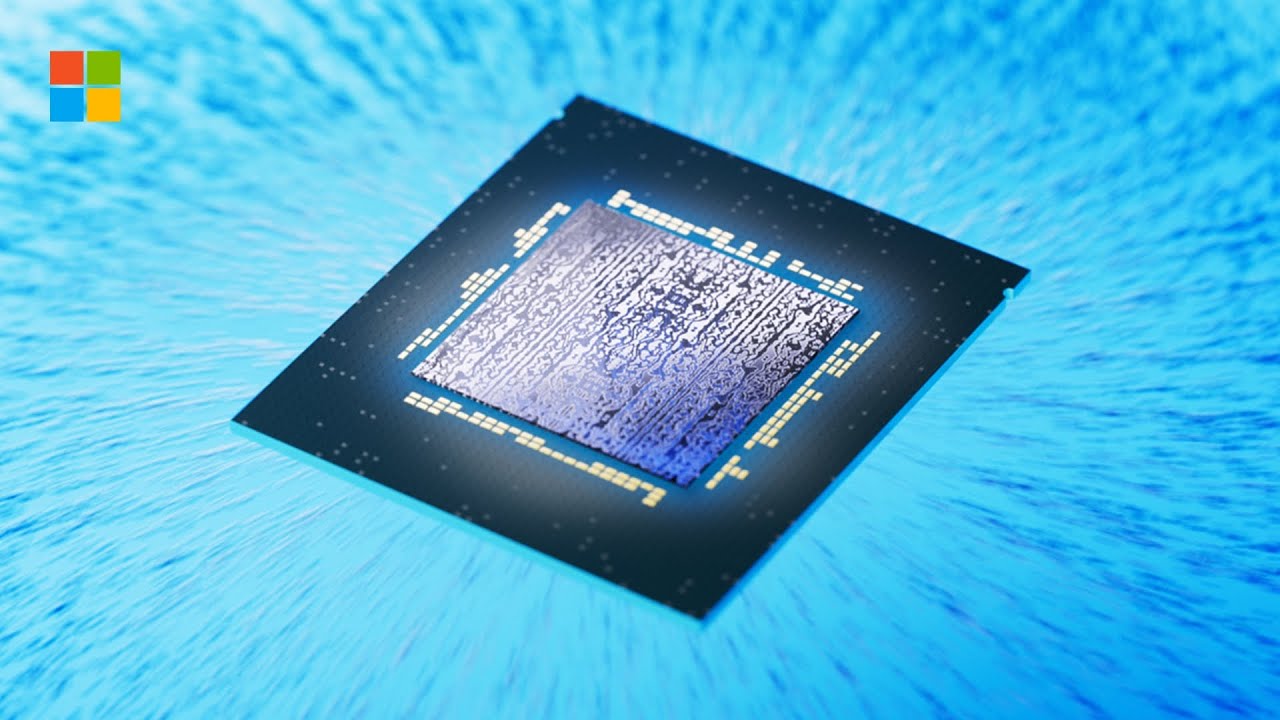
Microsoft is leveraging artificial intelligence not only to design these intricate microchannels but also to optimize coolant flow. By analyzing a chip’s unique thermal fingerprint, AI algorithms can direct the coolant through patterns inspired by nature, such as leaf veins, to more precisely target hotspots. This sophisticated approach addresses the challenges of scaling such technology, including the need for precise etching and leak-proof packaging. While still in development and testing phases, Microsoft is exploring its integration into future in-house chips and collaborating with manufacturing partners, signaling a significant step towards more sustainable and powerful AI infrastructure.
Via Microsoft