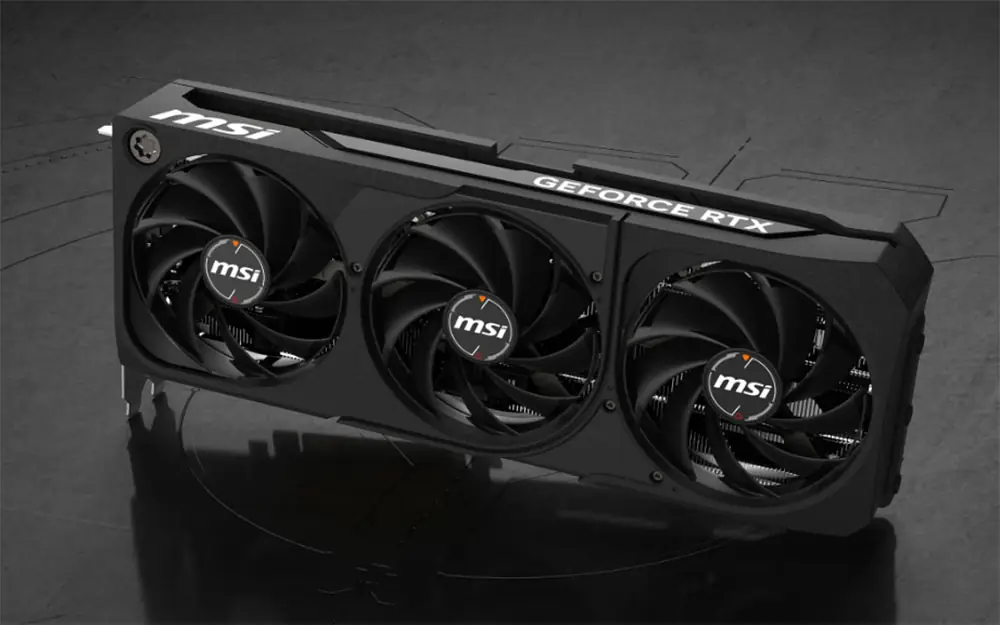
MSI has officially increased the prices of its RTX 50 series graphics cards, with the RTX 5070 Ti now starting at $819. This move has raised eyebrows among consumers and industry experts alike, as it reflects a growing trend of price inflation in the GPU market.
Key Takeaways
- MSI has raised the prices of all RTX 50 series GPUs, particularly the RTX 5070 Ti.
- The base model RTX 5070 Ti is now priced at $819, a $70 increase from its original MSRP of $749.
- Custom editions of the RTX 5070 Ti are priced even higher, with some models approaching $1,000.
- The price hike comes amid concerns over stock availability and competition from AMD’s upcoming Radeon RX 9070 series.
Overview Of The Price Increase
The recent price adjustments by MSI have sparked discussions about the integrity of MSRP (Manufacturer’s Suggested Retail Price) in the GPU market. Initially launched at $749, the RTX 5070 Ti’s price has now been raised to $819, marking a significant increase just weeks after its release. This trend is not isolated to MSI; other manufacturers are also expected to follow suit, leading to a potential shift in consumer purchasing behavior.
Details Of The New Pricing
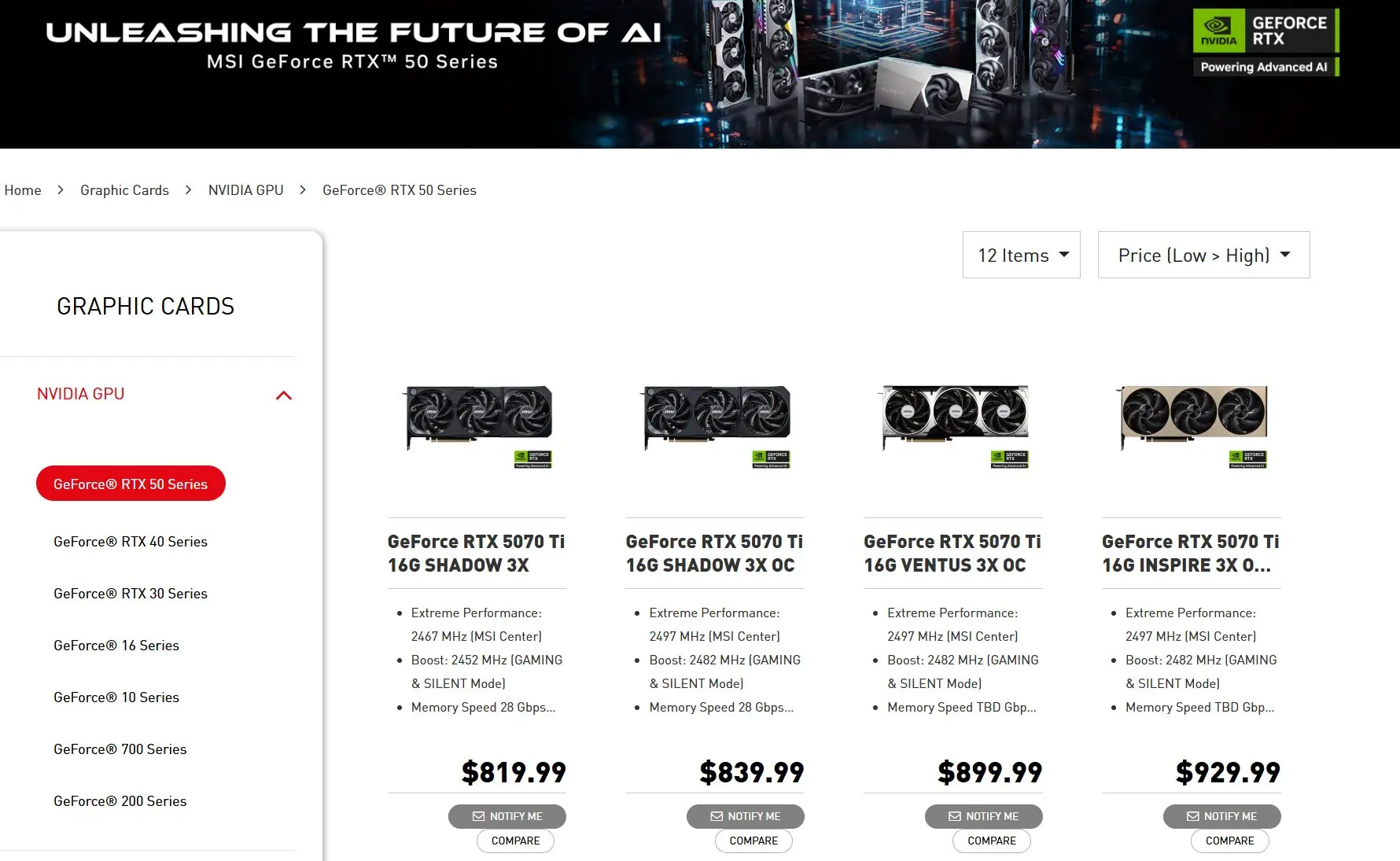
The following table outlines the new pricing for MSI’s RTX 50 series GPUs:
| Model | New Price (USD) | Approx. Price (EUR) |
|---|---|---|
| RTX 5070 Ti Shadow 3X | $819.99 | 948 € |
| RTX 5070 Ti Shadow 3X OC | $839.99 | 971 € |
| RTX 5070 Ti Ventus 3X OC | $899.99 | 1041 € |
| RTX 5070 Ti Inspire 3X OC Plus | $929.99 | 1075 € |
| RTX 5070 Ti Gaming Trio OC Plus | $969.99 | 1122 € |
| RTX 5070 Ti Vanguard SOC | $979.99 | 1133 € |
| RTX 5070 Ti Vanguard SOC Plus | $999.99 | 1156 € |
| RTX 5080 Ventus 3X | $1139.99 | 1318 € |
| RTX 5080 Shadow 3X OC | $1249.99 | 1445 € |
| RTX 5090 Ventus 3X | $2399.99 | 2775 € |
Market Reactions
The price hike has led to mixed reactions from consumers. Many are expressing frustration over the lack of adherence to the original MSRP, which was intended to provide a baseline for pricing. The increase has prompted some to consider alternative brands that may offer better value for money.
Additionally, with AMD set to launch its Radeon RX 9070 series at a competitive price point, the market dynamics could shift further. AMD’s upcoming models are expected to provide similar performance at a lower cost, potentially attracting consumers away from NVIDIA’s offerings.
Conclusion
MSI’s decision to increase the prices of its RTX 50 series GPUs highlights the ongoing challenges in the graphics card market, including supply chain issues and fluctuating demand. As consumers navigate these changes, the importance of price transparency and value will likely play a crucial role in their purchasing decisions moving forward. The GPU landscape continues to evolve, and it remains to be seen how these price adjustments will impact sales and brand loyalty in the long run.
Via VideoCardz, WCCFTech