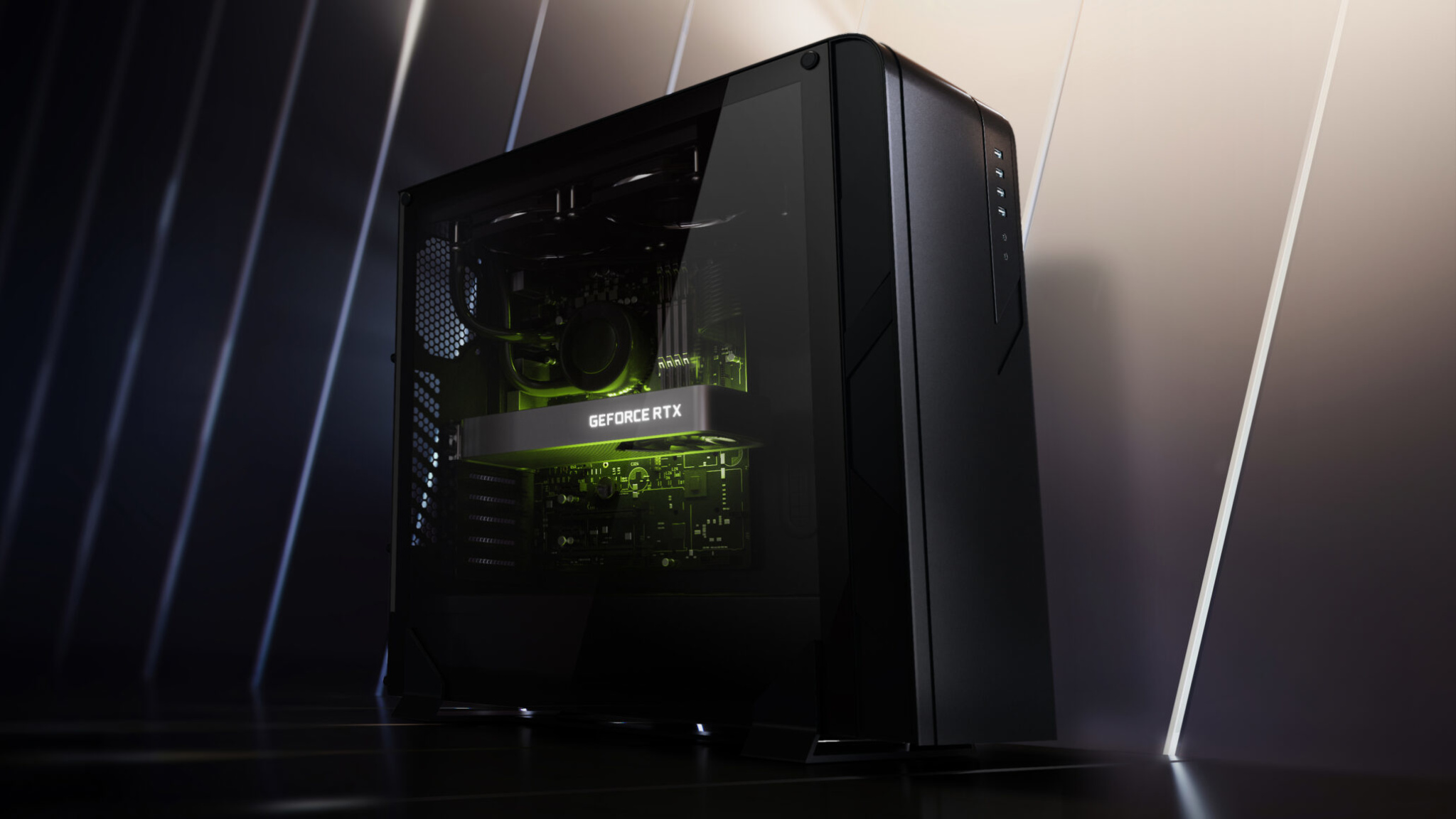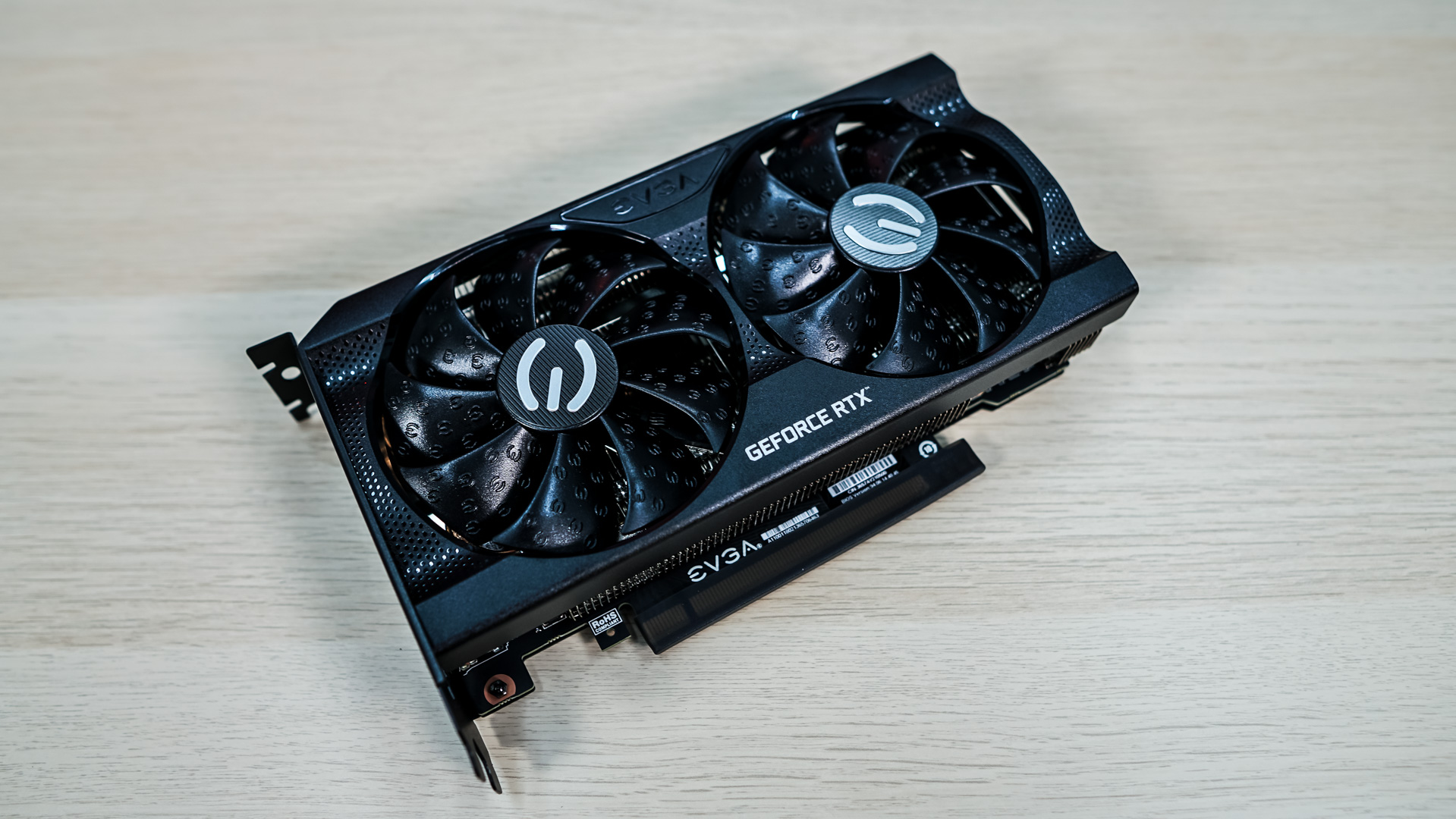
NVIDIA is reportedly planning to restart production of its GeForce RTX 3060 graphics card, with shipments expected to begin in mid-March. This move comes as the industry grapples with ongoing memory supply chain shortages, particularly impacting GDDR6 memory. The decision to revive a two-generation-old GPU highlights the current market pressures.
Key Takeaways
- Nvidia’s RTX 3060 may return to the market in mid-March.
- The restart is attributed to ongoing memory supply shortages.
- It remains unclear if the 12GB or 8GB variant, or both, will be reintroduced.
- The RTX 3060’s older manufacturing process might be a factor in its revival.
A Strategic Return Amidst Shortages
Recent reports suggest that Nvidia is preparing to reintroduce the GeForce RTX 3060, a popular mid-range GPU from the Ampere generation. Chinese industry sources indicate that shipments to board partners are slated to occur between March 10 and March 20. This potential comeback is seen as a direct response to the persistent memory supply chain issues that have been affecting GPU availability. Nvidia itself has previously warned of tight supply for the coming quarters, exacerbated by the high demand for memory chips driven by the AI hardware sector.
Which RTX 3060 Will Return?
Speculation is ongoing regarding which version of the RTX 3060 will make a comeback. The original model featured 12GB of GDDR6 memory on a 192-bit bus, while a later variant offered 8GB of memory with a 128-bit bus. It is not yet confirmed whether Nvidia will re-release one or both of these configurations. The 12GB model was generally favored by gamers for its larger VRAM capacity, which remains a significant selling point, especially when compared to some newer mainstream GPUs that offer less memory.
Why the RTX 3060 Over Newer Models?
The decision to bring back the RTX 3060, rather than a more recent model like the RTX 4060, is a point of discussion. One theory suggests it’s due to manufacturing capacity. The RTX 4060 utilizes TSMC’s 4N process, a node heavily relied upon for Nvidia’s newer products and in high demand for other components. In contrast, the RTX 3060 is built on Samsung’s older 8N process. This could allow Nvidia to increase production volume without competing for the same limited wafer capacity needed for its higher-margin, next-generation products. Furthermore, the 12GB RTX 3060’s VRAM advantage over mainstream successors like the 8GB RTX 4060 makes it an attractive option in a market where memory capacity is increasingly valued.
Market Implications and Pricing
The potential relaunch of a GPU from two generations ago underscores the current state of the graphics card market. While the RTX 3060 was once a budget-friendly option, its reintroduction will heavily depend on its pricing. If offered at an attractive price point, it could appeal to gamers looking for a new card with DLSS support, especially considering the uncertainty surrounding the condition of used market cards. However, if priced too high, it may struggle to compete with newer, albeit potentially more expensive, alternatives.
Via Board Channels