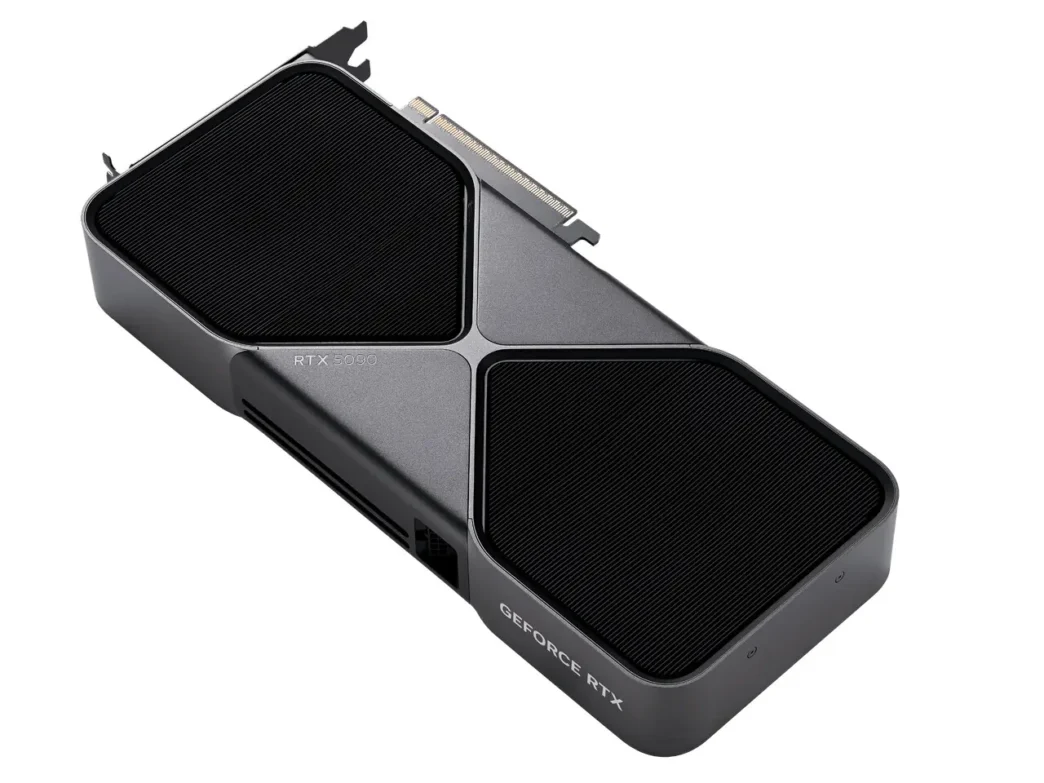
NVIDIA has announced a halt in sales of its RTX 5090D graphics card, a China-exclusive variant, due to new U.S. export restrictions. This decision leaves gamers in China without access to this high-performance GPU, forcing them to consider lower-end alternatives.
Key Takeaways
- NVIDIA has paused RTX 5090D preparations due to U.S. export rules.
- The RTX 5090D is expected to be banned in China by Q2 2023.
- Gamers in China will have to rely on lower-end GPUs like the RTX 5080.
Background on the RTX 5090D
The RTX 5090D was designed as a high-performance graphics card tailored for the Chinese market. It shares many specifications with the flagship RTX 5090 but is limited in its AI capabilities. The card was anticipated to be a significant upgrade for gamers and professionals alike, offering enhanced performance for gaming and AI applications.
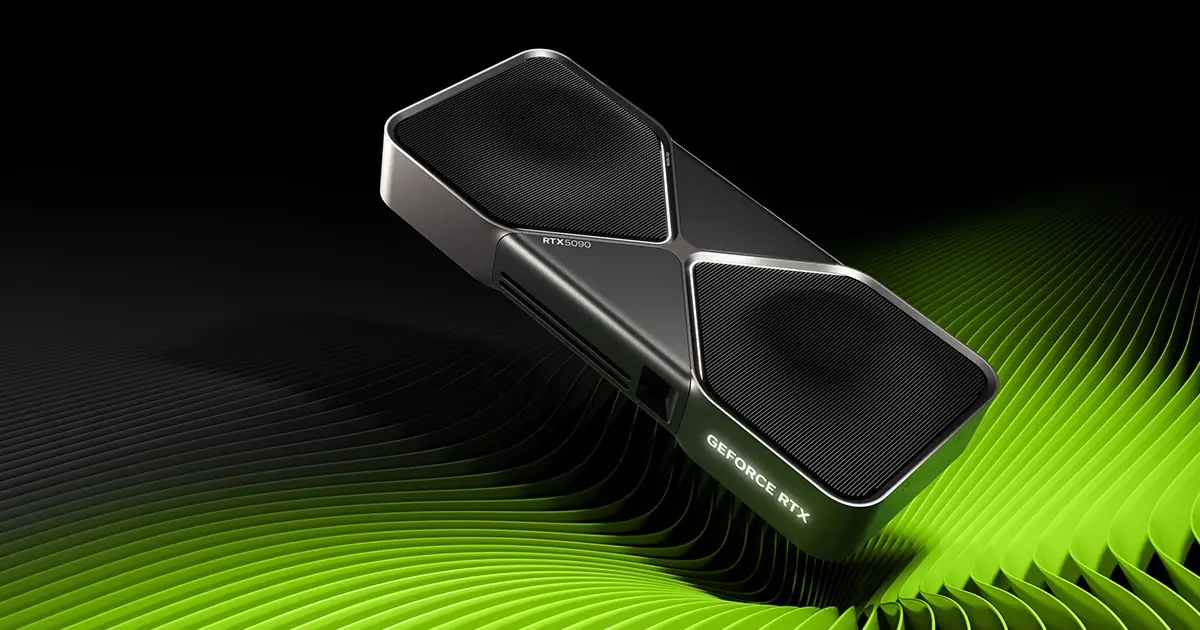
Impact of U.S. Export Restrictions
The U.S. government has implemented stringent export controls that prevent NVIDIA from supplying high-bandwidth GPUs to China. The new regulations specifically target GPUs that exceed certain performance thresholds, including:
- Total Memory Bandwidth: 1400 GB/s or higher
- I/O Bandwidth: 1100 GB/s or greater
- Combined Limit: 1700 GB/s
Due to these restrictions, NVIDIA has been forced to cancel orders for the RTX 5090D, effectively banning its sale in China. This move is part of a broader strategy by the U.S. to limit access to advanced technology in certain markets.
Consequences for Chinese Gamers
With the RTX 5090D no longer available, gamers in China will have to settle for lower-end models, such as the RTX 5080. This shift could lead to dissatisfaction among consumers who were looking forward to the enhanced capabilities of the RTX 5090D. The lack of high-performance options may also impact the gaming community and the development of gaming technology in the region.
NVIDIA’s Response
NVIDIA has not publicly commented on the long-term implications of these export restrictions. However, the company is likely to explore alternative strategies to maintain its market presence in China while complying with U.S. regulations. The situation reflects the ongoing tensions between the U.S. and China regarding technology and trade.
Conclusion
The suspension of RTX 5090D sales highlights the significant impact of geopolitical factors on the tech industry. As NVIDIA navigates these challenges, the future of high-performance GPUs in China remains uncertain. Gamers and tech enthusiasts will be watching closely to see how this situation unfolds and what alternatives NVIDIA may offer in the coming months.
Via WCCFTech