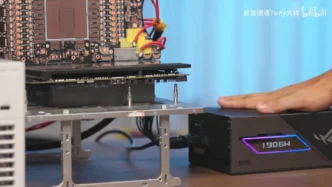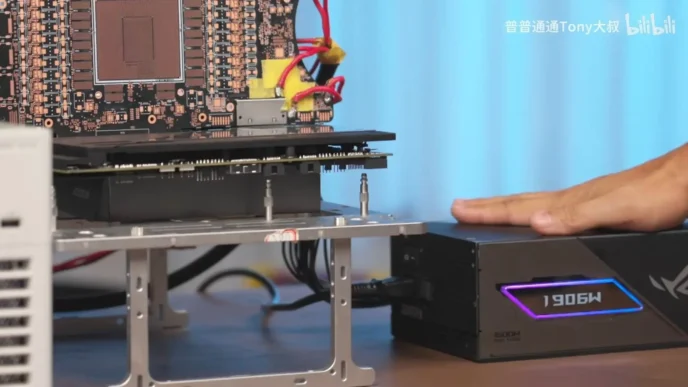

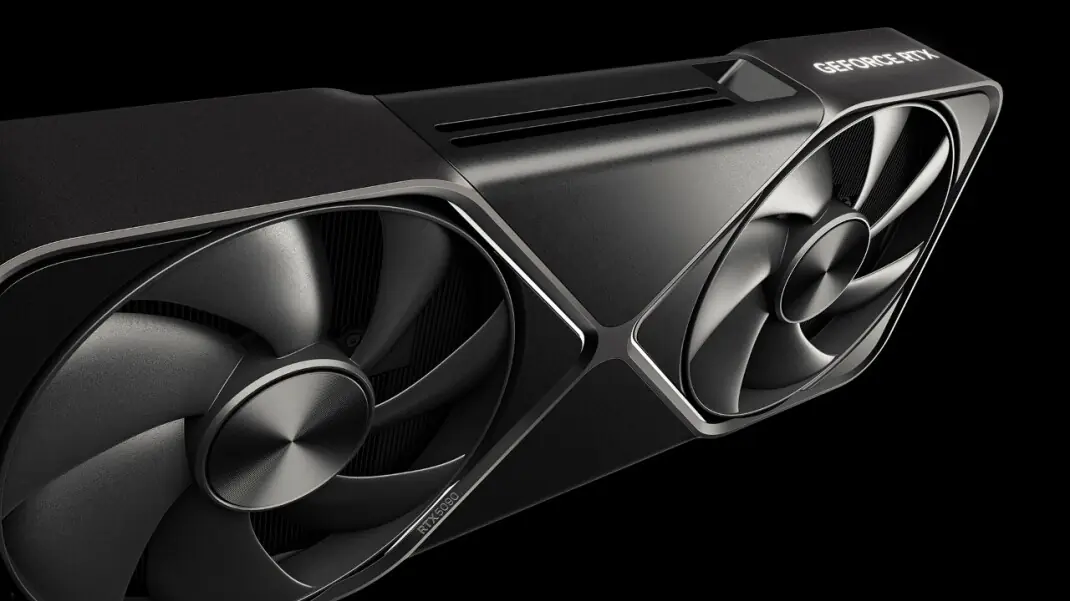
NVIDIA is reportedly preparing to launch a new China-specific graphics card, the GeForce RTX 5090DD, in August. This variant is designed to comply with U.S. export restrictions, featuring downgraded memory specifications compared to its predecessors while maintaining core count and TDP. This move follows previous adjustments to NVIDIA’s offerings in the Chinese market.
NVIDIA’s Strategic Response to Export Controls
NVIDIA’s introduction of the GeForce RTX 5090DD is a direct response to evolving U.S. export regulations impacting high-performance computing components in China. This new model aims to navigate these restrictions by adjusting its specifications, ensuring continued market presence.
Key Specifications and Changes
The RTX 5090DD is rumored to retain the same core count as the standard RTX 5090 and the previous China-specific RTX 5090D, with 21,760 CUDA cores. The Thermal Design Power (TDP) is also expected to remain at 575W. However, the significant change lies in its memory configuration.
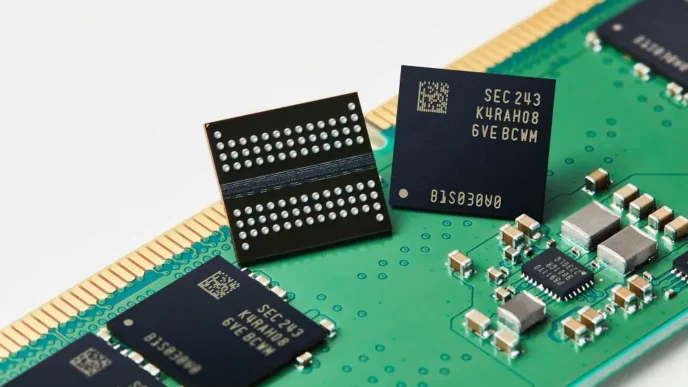
- Memory Downgrade: The RTX 5090DD is anticipated to feature 24GB of GDDR7 memory on a 384-bit bus, maintaining a 28 Gbps memory speed. This is a reduction compared to the 32GB of GDDR7 memory on a 512-bit bus found in the standard RTX 5090 and RTX 5090D.
- GPU Variant: The card is expected to utilize the GB202-240 GPU, distinct from the GB202-250 in the 5090D and GB202-300 in the standard 5090.
- New PCB Design: A newer PCB design, PG145-SKU40, is also rumored, likely accommodating the changes in VRAM and GPU layout.
Market Implications and Release Timeline
The August launch for the RTX 5090DD is considered relatively late, especially given that stock of the previous RTX 5090D was reportedly depleted by late May due to new export restrictions. This suggests a potential two-month gap in new GB202 GPU shipments to the Chinese DIY market.
- Performance Impact: The downgraded memory specifications are expected to result in a double-digit percentage performance difference compared to the standard RTX 5090, offering a more restricted option for the Chinese market.
- Pricing Strategy: While not confirmed, NVIDIA might aim for a competitive price point, possibly between $1,200 and $1,500, to attract buyers in the retail market.
- Tentative Launch: The August release date is currently tentative and subject to change based on market conditions.
Via VideoCardz