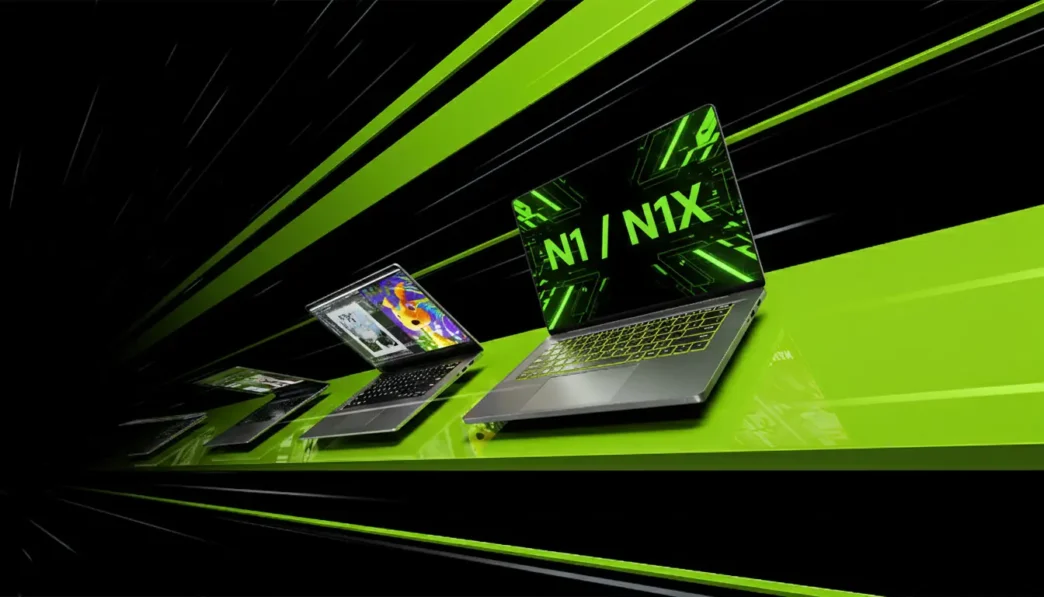
NVIDIA is reportedly set to enter the competitive consumer laptop processor market with its own Arm-based chips in the first half of 2026. This strategic move aims to challenge established players like Intel and Qualcomm, leveraging Nvidia’s expertise in graphics and AI to offer enhanced performance and efficiency in thin-and-light devices.
Key Takeaways
- Nvidia plans to launch Arm-based laptop chips (N1 and N1X) in H1 2026.
- These chips will integrate CPU, GPU, and NPU into a single package, developed in partnership with MediaTek.
- Major OEMs like Dell and Lenovo are expected to release laptops featuring these new processors.
- The chips are designed for thin-and-light laptops, emphasizing battery life and on-device AI capabilities.
- Nvidia is also exploring an x86-based chip with Intel for improved graphics in slimmer laptops.
Nvidia’s Entry into the Laptop CPU Arena
Nvidia, a dominant force in discrete GPUs and AI accelerators, is reportedly preparing to launch its first in-house laptop processors in the first half of 2026. According to reports, these new chips will be based on the Arm architecture, a significant departure from the x86 architecture traditionally used by Intel and AMD. The initiative is seen as a direct challenge to Qualcomm’s Snapdragon X series and Apple’s MacBook lineup, which have gained traction in the power-efficient laptop segment.
Integrated System-on-Chip Design
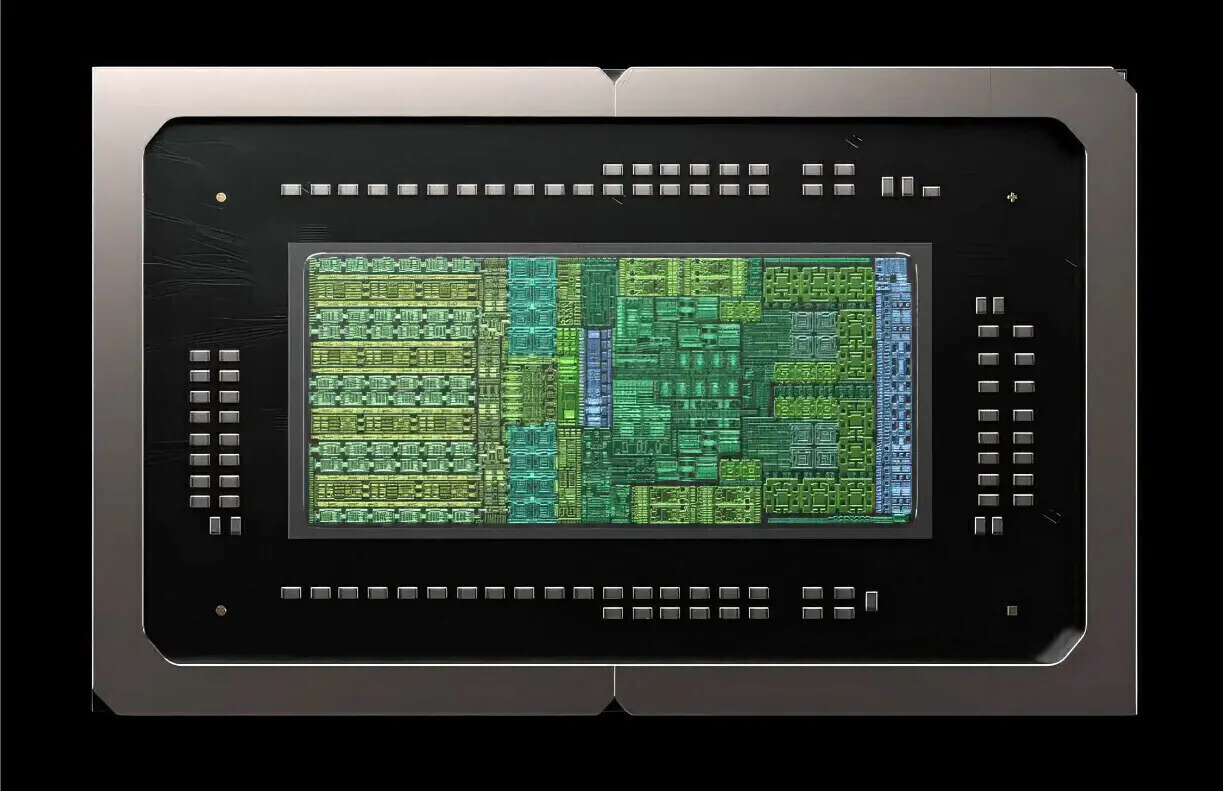
The upcoming Nvidia chips, internally codenamed N1 and N1X, are designed as System-on-Chips (SoCs). This means they will integrate the CPU, GPU, and Neural Processing Unit (NPU) into a single package. This integrated approach is similar to what Apple and Qualcomm offer, promising improved power efficiency and potentially lower manufacturing costs. Nvidia is reportedly collaborating with MediaTek on the development of this Arm-based silicon.
OEM Partnerships and Target Market
Major PC manufacturers such as Dell and Lenovo are already said to be developing laptops powered by Nvidia’s new processors. These devices are expected to focus on the thin-and-light segment, prioritizing battery life and on-device AI performance, aligning with Microsoft’s Copilot+ PC strategy. While specific product details remain undisclosed, rumors suggest a range of models from both manufacturers, including IdeaPads, Yoga devices, and potentially even gaming laptops like Lenovo’s Legion and Dell’s Alienware.
Dual-Chip Strategy: Arm and x86
In addition to the Arm-based SoC, reports indicate Nvidia is also working with Intel on a separate x86-based chip. This collaboration aims to combine Intel’s CPUs with Nvidia’s graphics and AI technology, potentially offering enhanced graphical capabilities in slimmer laptops without the need for a discrete GPU. This dual-pronged approach suggests Nvidia is exploring multiple avenues to expand its presence in the laptop market.
Market Impact and Future Outlook
Nvidia’s entry into the laptop CPU market could significantly shake up the landscape, which has long been dominated by Intel and AMD. While the company has a strong track record in graphics and AI, the success of its new laptop chips will depend on factors such as software compatibility, performance benchmarks, and competitive pricing. If Nvidia can successfully translate its expertise into compelling all-in-one laptop silicon, 2026 could mark a pivotal year for the PC processor market.