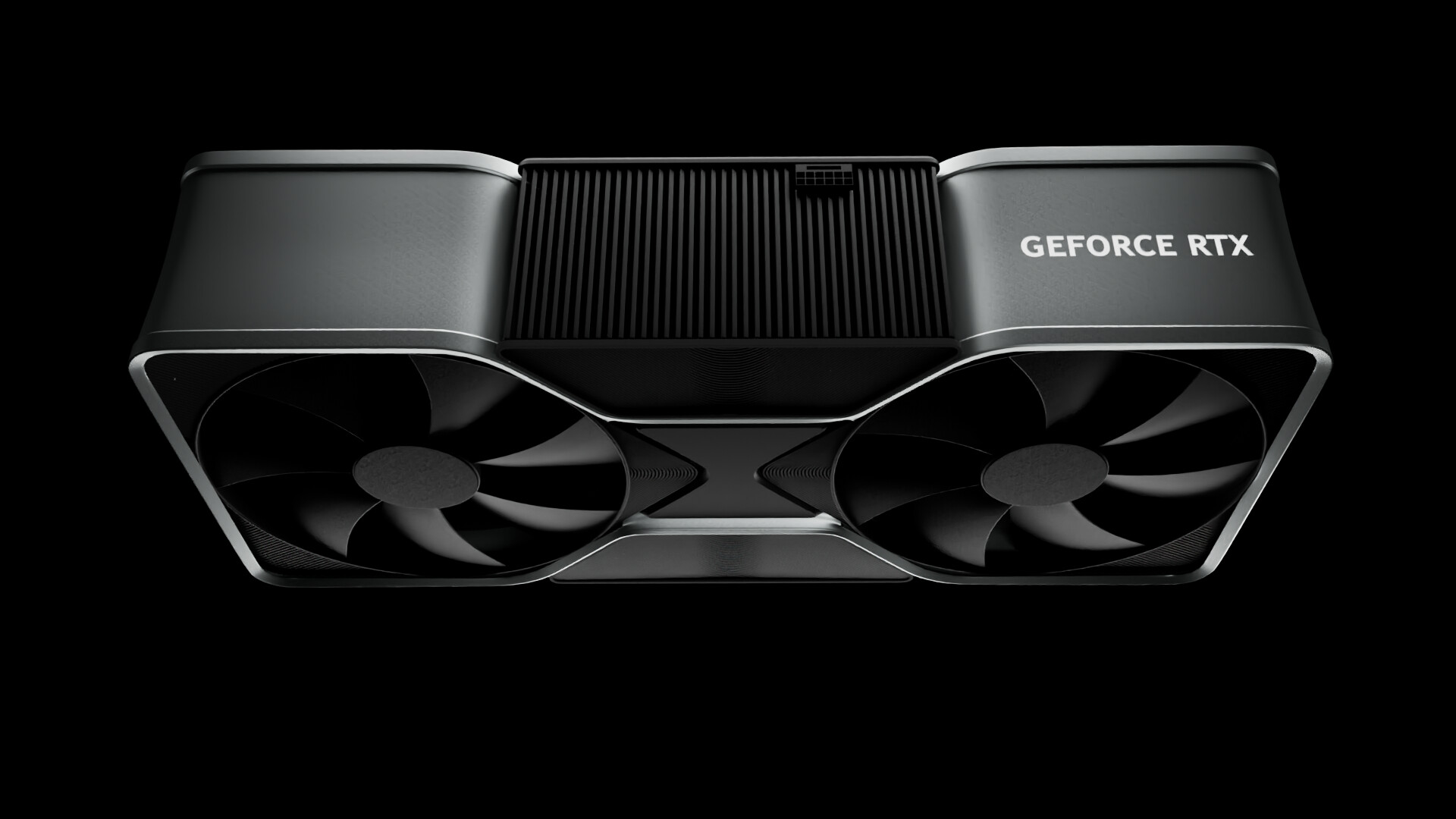
Whispers from the tech world suggest Nvidia is gearing up for its next-generation GeForce RTX 60 series, codenamed “Rubin.” Leaks point towards significant advancements, particularly in ray tracing performance, while also hinting at a strategic focus on AI-driven technologies like DLSS 5. The new architecture is expected to build upon the foundation laid by the current RTX 50 series, aiming for a roughly two-year product cycle.
Key Takeaways
- Rubin Architecture: The RTX 60 series will be powered by Nvidia’s “Rubin” architecture, previously seen in AI GPUs.
- Performance Leap: Expect substantial gains in ray tracing and path tracing, potentially doubling performance over the RTX 50 series.
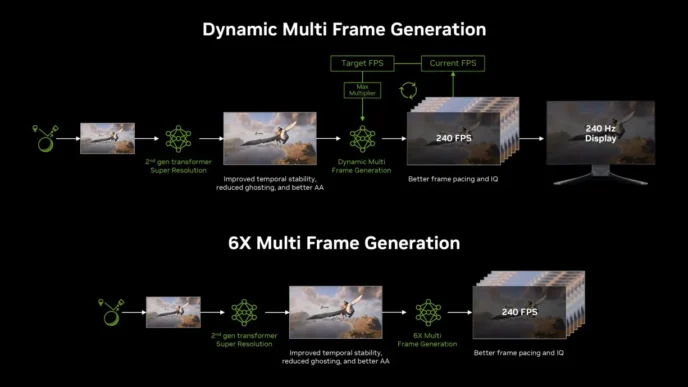
- AI Integration: Enhanced 6th Gen Tensor Cores will bolster AI capabilities, crucial for DLSS 5 and neural rendering.
- Manufacturing Node: The GPUs are expected to be built on a TSMC 3nm FinFET process.
- Memory Standards: GDDR7 will remain the memory standard, with potential increases in bus width and capacity for some models.
Architectural Advancements and Performance Targets
The “Rubin” architecture is set to introduce the 6th Generation Tensor Cores and 5th Generation RT Cores. A primary goal for these new cores is to significantly enhance real-time path tracing performance, with rumors suggesting a potential 100% increase over the current RTX 50-series. This focus on ray tracing is seen as a strategic move, aligning with the increasing ray tracing capabilities expected in next-generation consoles like the PlayStation 6 and Xbox “Project Helix.”
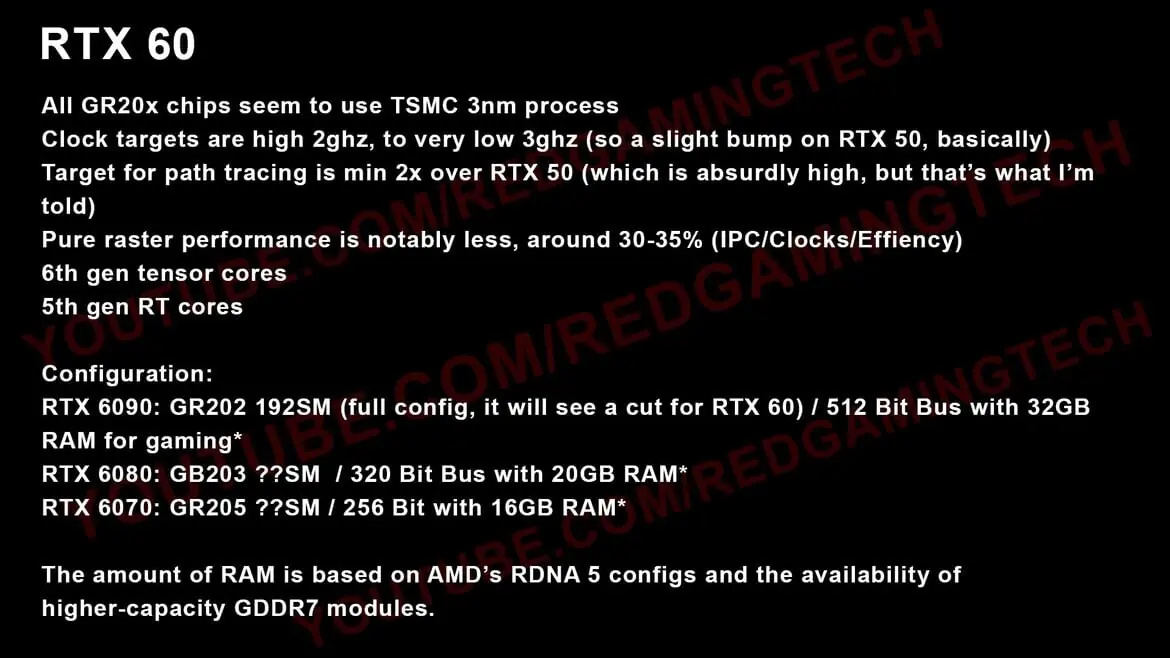
While ray tracing is a major focus, traditional rasterization performance is predicted to see more modest generational gains, estimated between 30% to 35%. These improvements are attributed to advancements in IPC, clock speeds, and energy efficiency brought about by the 3nm manufacturing process and the new “Rubin” Streaming Multiprocessors (SMs).
Memory and Specifications
Memory configurations are expected to see updates across the lineup, with the exception of the flagship RTX 6090. The RTX 6090 is rumored to feature 32GB of GDDR7 memory on a 512-bit bus, similar to its predecessor. However, the RTX 6080 is anticipated to utilize a 320-bit GDDR7 interface for 20GB of memory, offering at least a 25% bandwidth increase over the RTX 5080. The RTX 6070 is also slated for a significant memory upgrade, with a 256-bit GDDR7 interface and 16GB of VRAM, promising at least a 33% bandwidth boost.
Manufacturing and Release Outlook
Nvidia is reportedly opting for a variant of TSMC’s 3nm FinFET node for the “Rubin” architecture, rather than pushing for sub-2nm processes. This node choice is expected to allow for GPU clock speeds ranging from the high 2 GHz to low 3 GHz. While specific release dates remain speculative, the RTX 60 series is generally expected to launch around 2027, aligning with Nvidia’s typical product cadence, though market conditions and supply chain factors could influence this timeline.
AI and DLSS 5 Integration
Nvidia’s commitment to AI is evident with the expected improvements in its 6th Gen Tensor Cores. These cores are designed to better accelerate neural rendering and the upcoming DLSS 5 technology. DLSS 5 aims to augment game assets with AI-generated effects in real-time, a feature that previously required high-end hardware. The goal is to bring DLSS 5’s capabilities to a wider range of GPUs, including mid-range and performance segments, not just the top-tier cards.