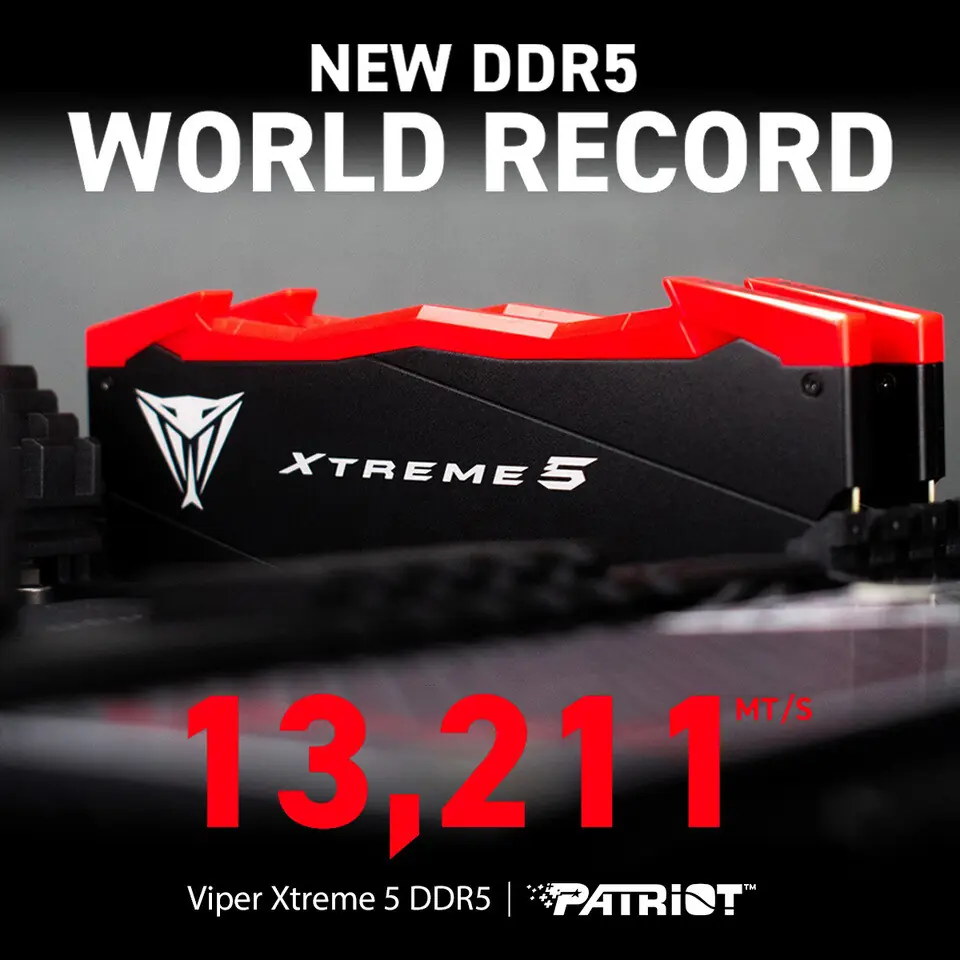
In a stunning display of memory overclocking prowess, the Patriot Viper Xtreme 5 DDR5 has set a new world record, achieving an astonishing speed of 13,211 MT/s. This latest milestone pushes the boundaries of DDR5 performance, surpassing previous records in rapid succession and highlighting the relentless pursuit of speed within the enthusiast community.
Key Takeaways
- The Patriot Viper Xtreme 5 DDR5 memory module achieved a record-breaking speed of 13,211 MT/s.
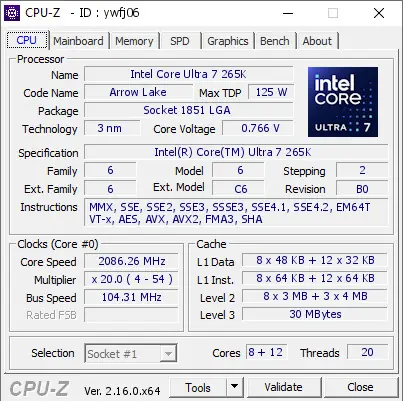
- The overclocking feat was accomplished by enthusiast AiMax using a GIGABYTE Z890 AORUS Tachyon ICE motherboard and an Intel Core Ultra 7 265K processor.
- Liquid nitrogen cooling was employed to achieve the extreme frequencies.
- This record follows closely behind previous DDR5 speed milestones, indicating rapid advancements in memory technology.
A New Speed Frontier
The overclocking world has witnessed another significant leap as overclocker AiMax, utilizing the Patriot Viper Xtreme 5 DDR5 memory, has officially set a new world record speed of 13,211 MT/s. This achievement marks a significant advancement, breaking the 13,200 MT/s barrier and continuing the trend of rapidly escalating DDR5 performance records.
The Record-Breaking Setup
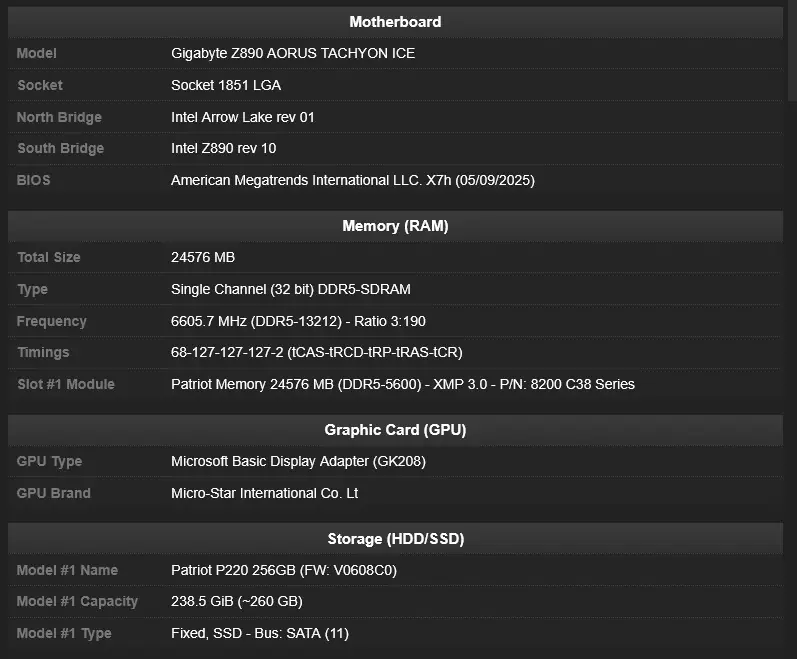
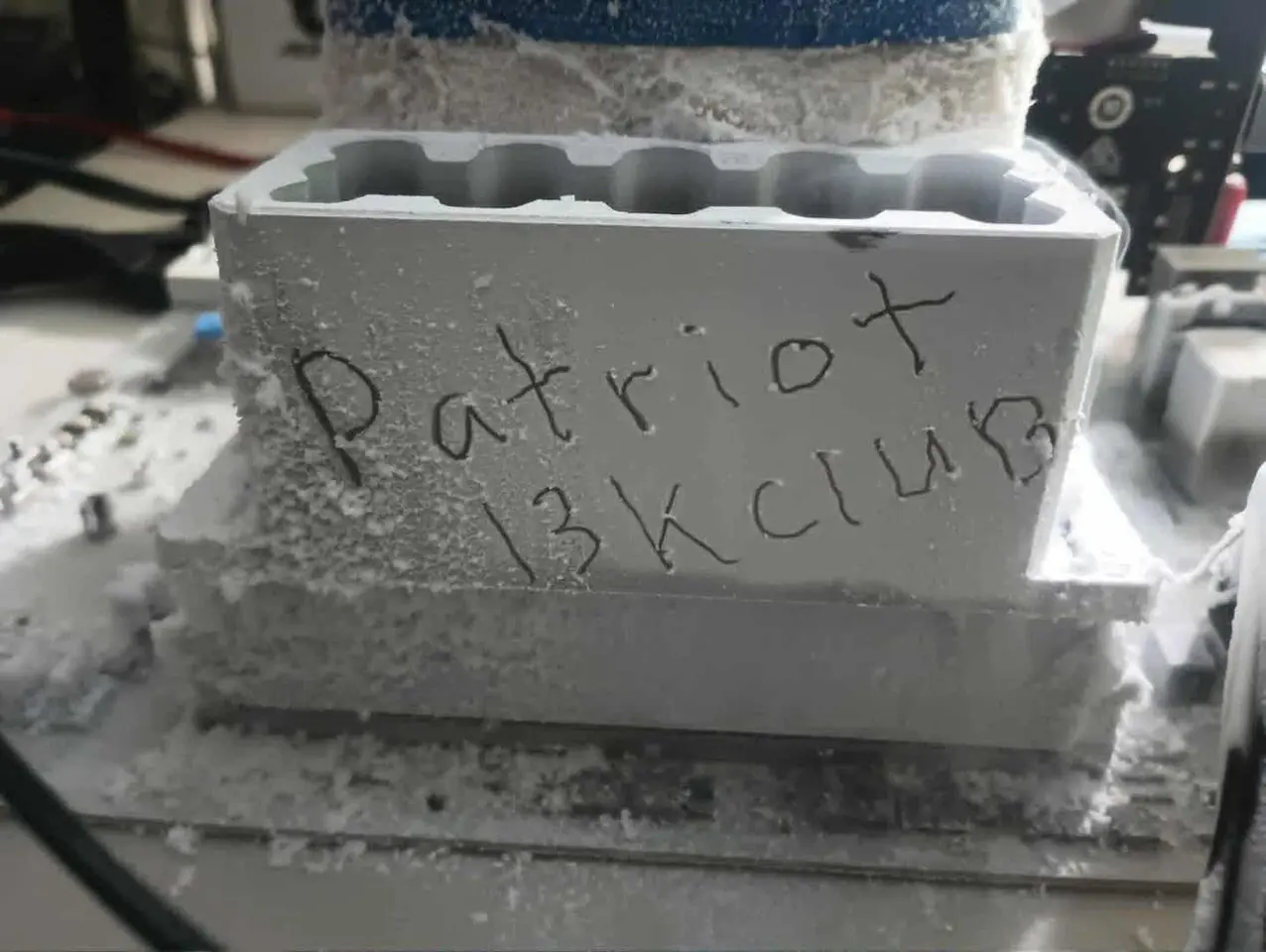
AiMax’s record-setting configuration featured a 24GB module of the Patriot Viper Xtreme 5 DDR5 memory. This was paired with an Intel Core Ultra 7 265K processor. The platform of choice for this extreme overclocking endeavor was the GIGABYTE Z890 AORUS Tachyon ICE motherboard, a board that has become a favorite among memory overclockers due to its specialized design for pushing frequencies to their limits. To achieve the record speed of 6,605.7 MHz (13,211 MT/s), extreme cooling measures were necessary, with liquid nitrogen (LN2) being applied to both the CPU and the memory modules.
A Rapidly Evolving Landscape
This new record comes on the heels of several other recent DDR5 speed milestones. Just days prior, speeds exceeding 13,000 MT/s were achieved, with previous records standing at 13,034 MT/s and 13,153 MT/s. The consistent and rapid breaking of these records underscores the incredible potential and ongoing development in DDR5 technology. The GIGABYTE Z890 AORUS Tachyon ICE motherboard has been a common element in many of these recent record-breaking attempts, highlighting its effectiveness for memory overclocking.
Pushing the Limits
While the increase of 58 MT/s over the previous record might seem incremental, it represents a significant achievement in the highly competitive field of overclocking. The latencies were maintained at CL68-127-127-127-2, demonstrating that high speeds can be achieved without a drastic compromise in timing. Enthusiasts and hardware developers continue to explore the upper limits of DDR5, with many speculating that speeds of 13,500 MT/s or even higher are achievable with current hardware. These extreme overclocking achievements, while not directly impacting everyday user performance, serve as crucial benchmarks for pushing the capabilities of modern computing hardware.