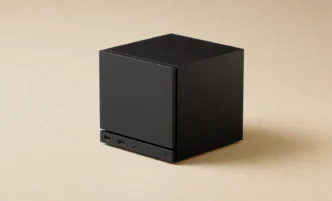
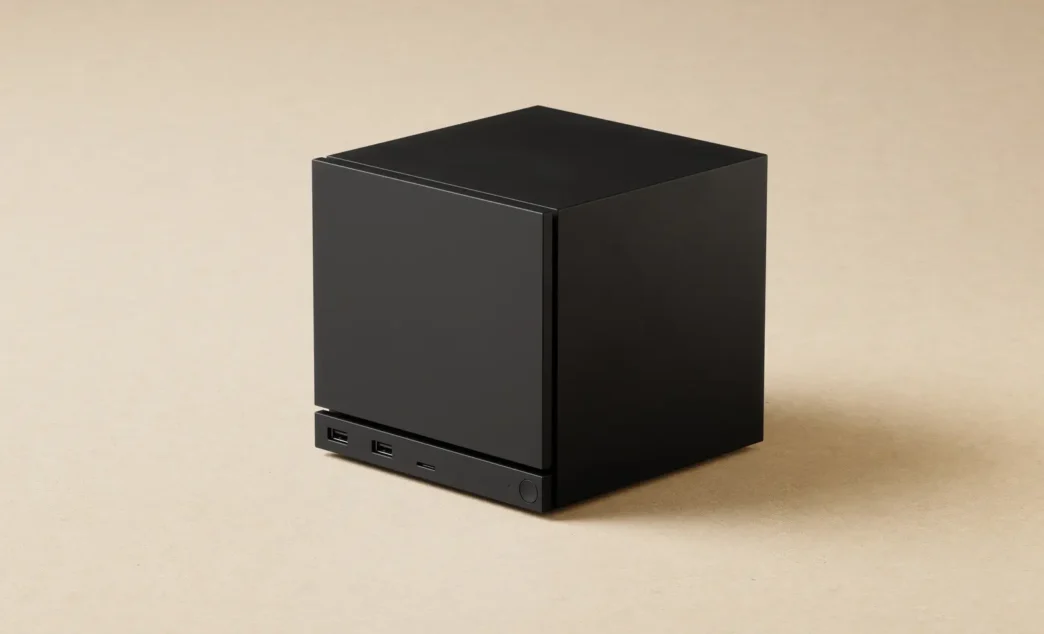
Valve has unveiled its latest Steam Machine, a compact gaming PC designed for living rooms. The company claims the new device is engineered to match or exceed the performance of 70% of gaming PCs currently used by Steam users, according to data from the Steam Hardware Survey. This strategic positioning aims to offer a significant upgrade path for many gamers while maintaining affordability.
Key Takeaways
- Valve’s new Steam Machine is designed to be more powerful than 70% of existing gaming PCs based on Steam Hardware Survey data.
- The device aims for a balance of affordability and performance, targeting a 4K 60fps experience with upscaling.
- Valve learned from past Steam Machine iterations and the Steam Deck to refine the current offering.
Design Philosophy and Performance Targets
Valve hardware engineer Yazan Aldehayyat explained that the component selection for the new Steam Machine was heavily influenced by the Steam Hardware Survey. This opt-in survey, which gathers data from millions of active Steam users, provides Valve with a clear benchmark of the average user’s hardware capabilities. By targeting performance levels that surpass the majority of these systems, Valve aims to ensure the Steam Machine offers a substantial upgrade for a broad audience.

Aldehayyat stated that the goal was for the Steam Machine to be “equal or better than 70% of what people have at home.” This approach allows Valve to position the device as both an entry-level option and a powerful gaming solution capable of running most titles in a user’s Steam library. The company emphasized that the device is intended to provide a simple experience, removing the worry of whether a game will run on the hardware.

Technical Specifications and Upscaling
The Steam Machine features an AMD RDNA 3 GPU with 28 compute units and 8 GB of GDDR6 VRAM. While some may compare its raw specs to current-generation consoles, Valve highlights the use of AMD’s FidelityFX Super Resolution (FSR) technology. This upscaling technique, along with potential frame generation, will be crucial in achieving the targeted 4K 60fps performance, especially for games that might otherwise struggle at those settings.
This reliance on upscaling is a key differentiator, allowing the Steam Machine to deliver a perceivable performance boost even on hardware that might appear less powerful on paper compared to some older, high-end GPUs. The strategy aims to make the device a compelling option for gamers looking to upgrade from older PCs or seeking a console-like experience with the benefits of PC gaming.
Market Positioning and Future Outlook
Valve’s renewed focus on the Steam Machine comes after lessons learned from previous iterations and the success of the Steam Deck. The company is determined to avoid past mistakes, with affordability being a significant factor in the design process. While specific pricing has not been finalized, analysts predict a competitive price point, potentially ranging from $400 to $1,000, depending on Valve’s profit margin goals.
By positioning the Steam Machine as a device that outperforms the majority of existing user hardware, Valve aims to capture a significant segment of the market. The compact form factor, combined with SteamOS and gamepad-friendly features, suggests Valve is targeting the living room PC space, potentially challenging both traditional PCs and current-generation consoles.
Via Notebook Check