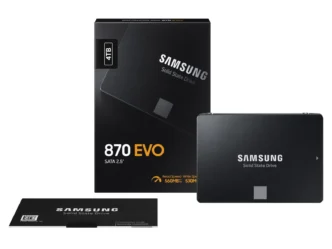
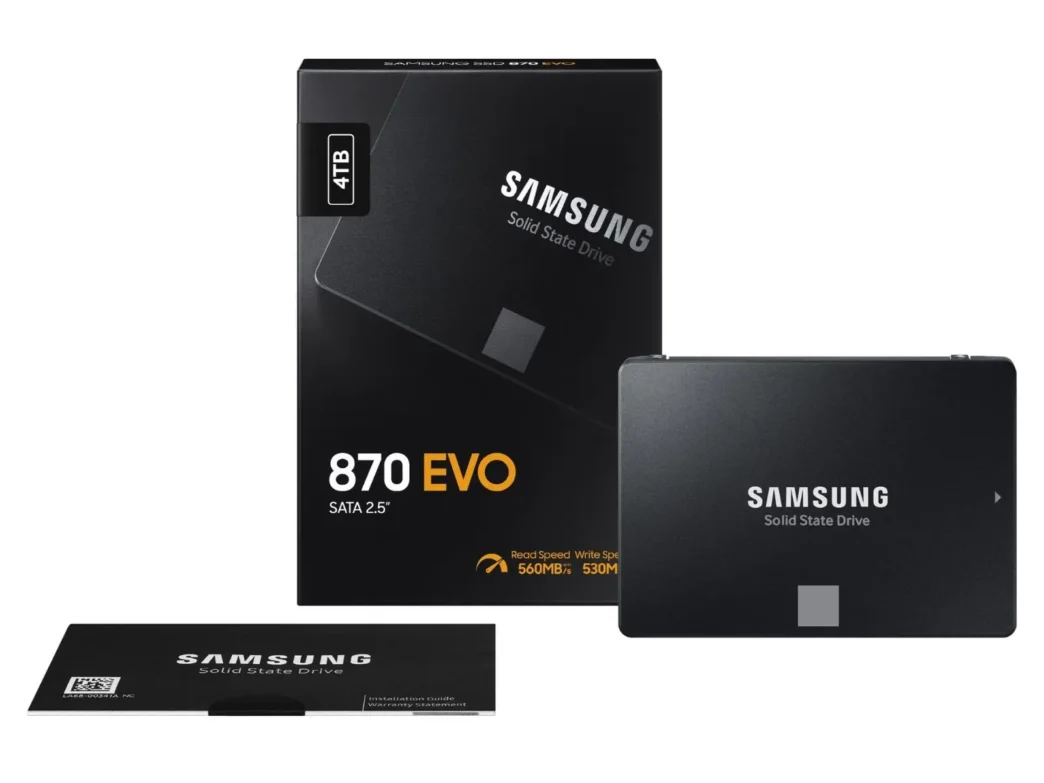
Samsung is reportedly planning to cease production of its SATA Solid State Drives (SSDs) in 2026, a move that could significantly impact the market. This decision, driven by a strategic pivot towards higher-margin products and the booming demand for AI-related memory, is expected to lead to increased prices for both SATA and NVMe SSDs, potentially lasting for up to 18 months.
Key Takeaways
- Samsung may end SATA SSD production in 2026.
- This decision is linked to a shift in focus towards AI memory and higher-profit products.
- A reduction in SATA SSD supply could lead to price increases for all types of SSDs.
- The move is seen as more impactful than Micron’s recent scaling back of its consumer RAM brand.
Strategic Pivot to AI and High-Margin Products
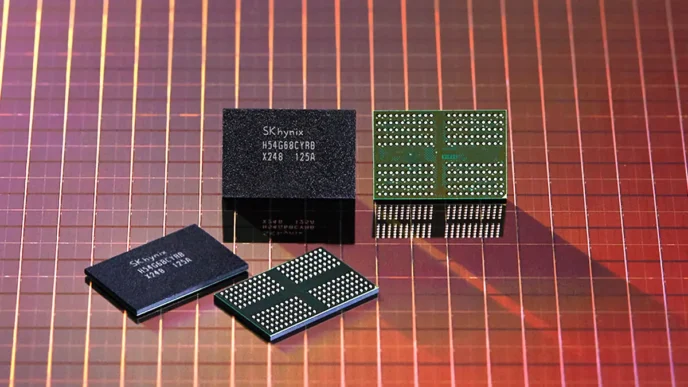
Industry insiders and leakers suggest that Samsung is reallocating its NAND flash production lines to focus on more lucrative segments, particularly High Bandwidth Memory (HBM) for the artificial intelligence industry. This strategic shift means less capacity will be available for consumer-grade SATA SSDs, which offer lower profit margins compared to NVMe SSDs and HBM. The increasing demand from data centers, AI labs, and hyperscalers is consuming the majority of NAND flash, leaving limited supply for the consumer market.
Impact on SSD Prices and Availability
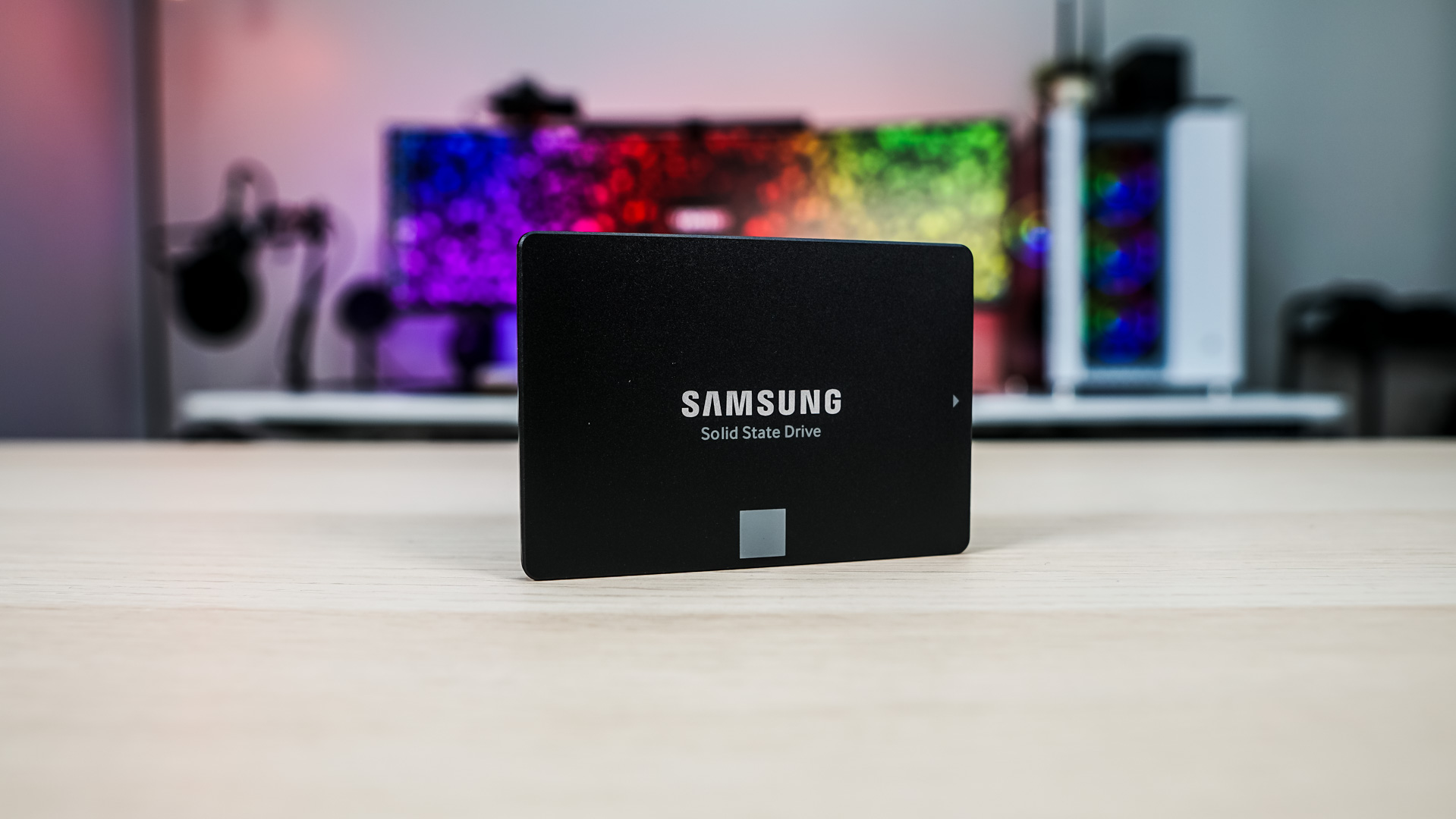
The cessation of SATA SSD production by a major supplier like Samsung is anticipated to create a genuine reduction in overall SSD supply. Unlike a simple rebranding, this move removes an entire product category from the market. Experts warn that this could trigger panic buying among system builders and businesses that still rely on the SATA interface, further exacerbating short-term price increases. The pressure on pricing is expected to affect both SATA and NVMe SSDs, with some forecasts suggesting price increases could persist for up to 18 months.
Comparison to Micron’s Consumer RAM Exit
This situation is being contrasted with Micron’s recent decision to scale back its Crucial consumer RAM brand. While Micron also supplies memory chips to third-party brands, its exit from a specific consumer brand was largely symbolic, as overall DRAM supply remained largely unaffected. Samsung’s exit from SATA SSDs, however, directly removes a significant volume of finished consumer products from one of the world’s largest NAND suppliers, making its impact on the market potentially more severe for consumers.
Future Outlook
While the immediate future points to increased SSD prices, industry forecasts suggest that pricing pressure may ease around 2027. This potential easing is linked to manufacturers eventually pivoting back towards consumer hardware, driven by the needs of local AI workloads and next-generation consoles requiring substantial amounts of RAM and fast SSDs. However, it is unlikely that the era of cheap SATA SSDs will return, especially from Samsung.
Via Moore’s Law is Dead, via Notebookcheck