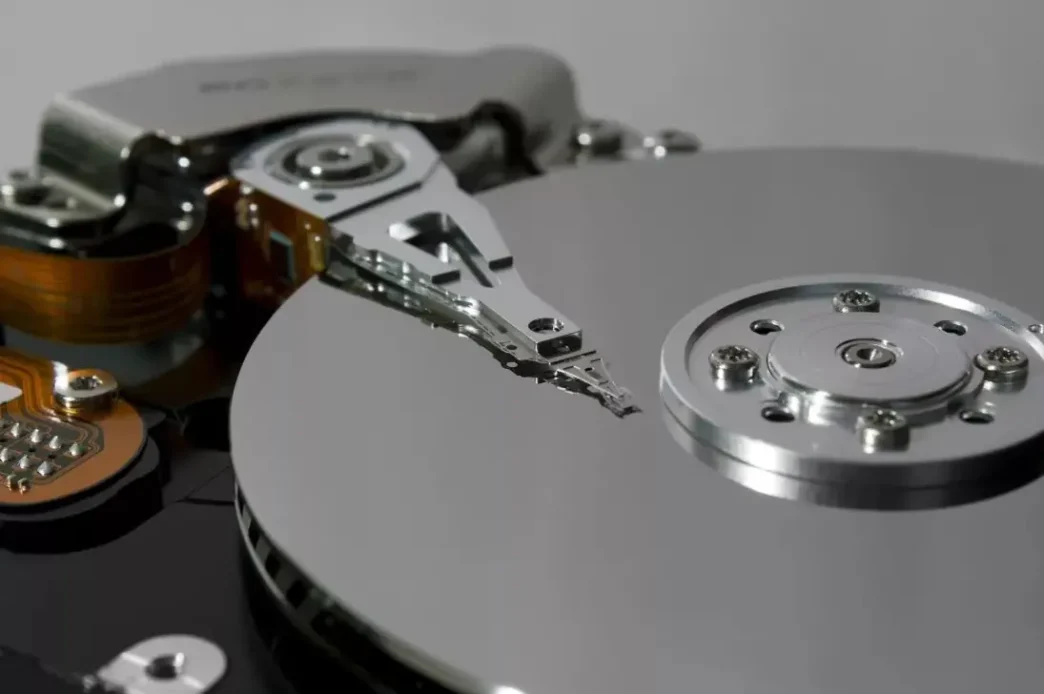
Seagate Technology has announced an ambitious plan to develop 100TB hard drives by 2030, driven by the increasing storage demands of artificial intelligence (AI) applications. This initiative aims to triple the capacity of their current largest hard drives, addressing the needs of data centers that are rapidly expanding due to the AI boom.
Key Takeaways
- Seagate plans to launch 100TB hard drives by 2030, significantly increasing storage capacity.
- The company is focusing on heat-assisted magnetic recording (HAMR) technology to achieve this goal.
- The demand for larger storage solutions is driven by the growing complexity of AI models and data centers.
- Seagate is committed to sustainability, aiming to reduce the environmental impact of its manufacturing processes.
The Need for Increased Storage Capacity
As AI technologies evolve, the amount of data generated and required for training these models is skyrocketing. Companies like OpenAI, Microsoft, and Google are investing heavily in data centers to support their AI initiatives. For instance, Microsoft plans to invest $80 billion in data center capacity by mid-2025, highlighting the urgent need for scalable storage solutions.
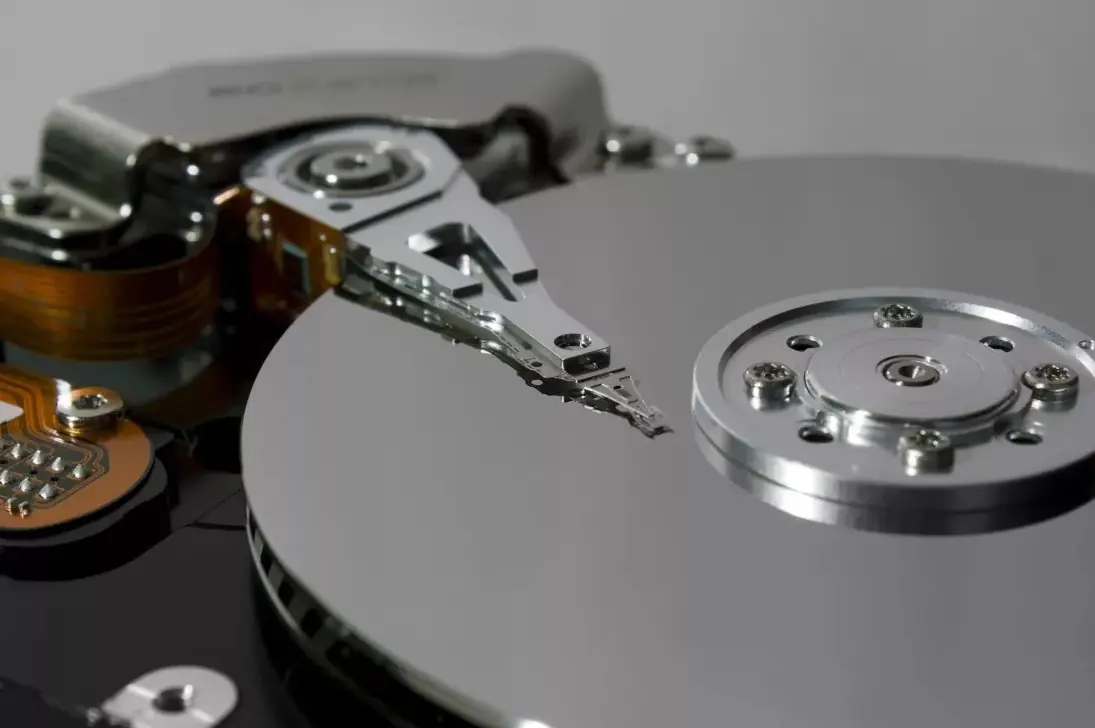
Seagate’s current largest hard drive, the 36TB Exos M, was launched earlier this year, but the company recognizes that this is just the beginning. The anticipated 100TB drives will be essential for managing the vast datasets that AI applications require.
Technological Innovations Driving Capacity
To meet these demands, Seagate is leveraging several key technologies:
- Heat-Assisted Magnetic Recording (HAMR): This technology uses a laser to heat the disk surface, allowing for more data to be packed into the same physical space. Seagate has already begun shipping 20TB drives using HAMR and plans to introduce drives exceeding 30TB by 2023.
- Bit Patterned Media (BPM): This future technology aims to further increase data density, potentially allowing for drives with capacities of 120TB and beyond after 2030.
- MACH.2 Multi-Actuator Technology: This innovation enables two independent actuators within a single hard drive, effectively doubling the I/O performance and making it more efficient for enterprise users.
Sustainability Efforts
Seagate is also addressing environmental concerns associated with the energy consumption of data centers. The company is committed to:
- Utilizing renewable energy sources in its manufacturing processes.
- Designing hard drives that lower power consumption per terabyte.
- Reducing the overall carbon footprint of its products.
By focusing on these sustainability initiatives, Seagate aims to ensure that its hard drives remain a viable option for data centers, even as the industry shifts towards more energy-efficient solutions.
Conclusion
Seagate’s goal of producing 100TB hard drives by 2030 reflects the company’s commitment to meeting the growing storage needs of AI and data centers. With advancements in technology and a focus on sustainability, Seagate is positioning itself as a leader in the storage industry, ready to tackle the challenges posed by the data-driven future.