The entry-level PC market, long a crucial segment for budget-conscious consumers, is on the brink of extinction. A new forecast from Gartner predicts that PCs priced under $500 will cease to exist by 2028. This dramatic shift is primarily attributed to a significant and sustained increase in memory and storage prices, which is expected to drive up overall PC costs and reduce global shipments.
Key Takeaways
- The sub-$500 PC market is projected to vanish by 2028.
- A 130% surge in DRAM and SSD prices is anticipated by the end of 2026.
- Global PC shipments are expected to drop by 10.4% in 2026.
- PC upgrade cycles will lengthen as prices increase.
- AI PC adoption may also be delayed due to higher component costs.
The Root Cause: Soaring Memory Prices
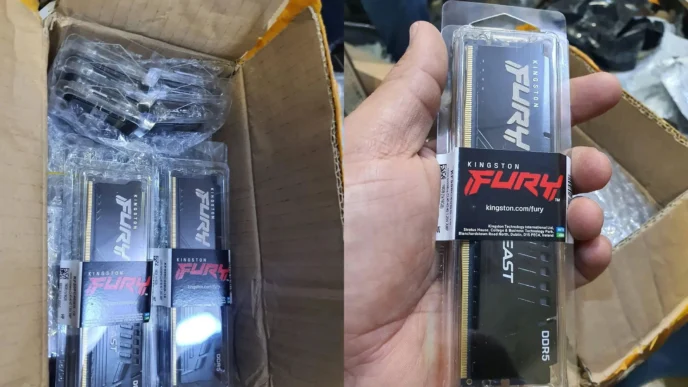
Gartner analysts point to a substantial increase in the cost of DRAM and Solid State Drives (SSDs) as the primary driver behind this market contraction. By the end of 2026, combined DRAM and SSD prices are projected to surge by a staggering 130%. This inflation is expected to push PC prices up by approximately 17% compared to 2025 levels.
As a result, memory costs are predicted to constitute a larger portion of a PC’s total bill of materials (BOM), rising from 16% to a peak of 23% this year. This increase makes it increasingly difficult for manufacturers and retailers to absorb costs, rendering low-margin, entry-level laptops and PCs financially unviable.
Impact on PC Shipments and Upgrade Cycles
The rising costs are not only affecting the availability of affordable devices but are also projected to significantly impact overall market volume. Gartner forecasts a 10.4% decline in global PC shipments in 2026, marking the steepest contraction in over a decade. Similarly, smartphone shipments are expected to fall by 8.4%.
This price shock is anticipated to fundamentally alter traditional upgrade cycles. Consumers and businesses are likely to hold onto their existing devices for longer periods to avoid the higher costs associated with new hardware. Gartner estimates that PC lifespans could extend by 15% for businesses and 20% for consumers by the end of 2026. This trend, however, raises concerns about increased security vulnerabilities and the challenges of managing aging hardware.
Broader Market Implications
The surge in memory prices is expected to disproportionately affect entry-level smartphones as well, though the PC market is anticipated to bear the brunt. As affordable options dwindle, demand may shift towards the refurbished or second-hand market. Furthermore, the rising costs of components could also delay the projected market penetration of AI PCs, which require more memory for their advanced functionalities.
Gartner advises device vendors and channels to focus on optimizing pricing and protecting margins in the first half of 2026, suggesting that accepting a decline in unit volume may be necessary to sustain profitability in the face of component inflation.
Via Tom’s Hardware