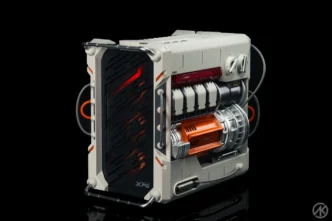
Computers are a part of almost everything we do today. We use them for work, study, shopping, entertainment, and even gaming on platforms like Azurslot. But behind the screens and apps we interact with, every computer relies on two key elements: hardware and software. Together, these parts allow machines to perform the countless tasks we depend on each day.
Hardware: The Foundation of a Computer
Hardware refers to the physical components of a computer system. These are the parts you can touch and see. Each piece of hardware plays a role in how the computer operates:
CPU (Central Processing Unit): This tiny chip acts as the brain of the computer, processing commands and running instructions.
RAM (Random Access Memory): RAM is short-term memory that helps the computer work quickly while tasks are running.
Storage Drives: These keep all your files, programs, and system data safe. Hard Disk Drives (HDDs) are common, but Solid-State Drives (SSDs) are much faster.
Graphics Card (GPU): Essential for visuals, graphics cards render images, videos, and games. They’re especially important for gamers and designers.
Motherboard: This board connects all the hardware together and allows them to communicate.
Input Devices: Keyboards, mice, and microphones let users interact with the system.
Output Devices: Monitors, printers, and speakers show or play the results of the computer’s work.
Without hardware, a computer would just be an empty shell.
Software: The Instructions That Make Computers Useful
While hardware is the body, software is the mind. Software is a collection of programs and instructions that tell hardware what to do. It comes in two main types:
System Software: The operating system (OS) manages the whole computer. Examples include Windows, macOS, Linux, Android, and iOS. The OS handles everything from running apps to connecting to the internet.
Application Software: These are the everyday programs we use, such as web browsers, games, word processors, and video players.
Software changes the potential of hardware. A powerful computer with no software is useless, but even a simple device becomes helpful when paired with the right programs.
Working Together
The relationship between hardware and software is what makes computers so powerful. For example, when you type in a document, the keyboard (hardware) sends signals to the processor, which the operating system (software) interprets. The text then appears on your screen.
Similarly, when you play a game, the software runs the program while the graphics card and processor handle visuals and performance. This teamwork allows computers to handle everything from basic tasks like browsing the web to advanced tasks like artificial intelligence.
Everyday Computers
Computers are not limited to desktops and laptops anymore. Today, we carry computers in our pockets in the form of smartphones. Tablets, smartwatches, and even home devices like smart speakers are also computers at their core.
Cars now use complex computer systems to improve safety and navigation. Appliances like refrigerators, washing machines, and even thermostats are “smart” because they run on small computers.
Upgrading and Updating
One of the most useful things about computers is that they can be improved over time. Hardware can be upgraded—for example, by adding more RAM, upgrading to an SSD, or installing a better graphics card.
Software, on the other hand, is updated regularly. Updates bring new features, fix bugs, and improve security. Without updates, computers can become slow or unsafe against viruses and hackers.
The Future of Computers
Looking forward, computers will only get faster, smaller, and smarter. Advances in quantum computing, artificial intelligence, and cloud services promise to change the way we use technology. Software will become more adaptive, while hardware will continue to push the limits of speed and efficiency.
For everyday users, this means easier access to powerful tools and smarter devices that make life more convenient.
Computers are built on two key pillars: hardware and software. Hardware provides the structure, while software gives it purpose. Together, they form the foundation of modern technology and make it possible for us to communicate, work, and enjoy entertainment every day.