Smartphones are essential for communication, payment, photos, and work. As the price keeps rising, replacing a damaged phone has become far more expensive than it used to be. For instance, the base iPhone 17 Pro starts at $1099, and a simple screen replacement for iPhone repair can cost $329. Because of this, many people are turning to reliable cell phone repair services instead of upgrading to a new model every year.
The market for repairs has grown rapidly, and now has better access to mobile parts and improved technician training. If you’re planning to repair your phone or trying to understand what makes a service trustworthy, this guide gives you an overview of the current state of cell phone repair in 2026.
How Cell Phone Repair Has Changed Over the Years
The way cell phones are repaired has changed in the past few years. Designs and customers’ habits have also shifted. Here is how repairs are done today.
From Simple Fixes to Sealed Devices
Before smartphones were introduced, replacing a crack screen or changing a battery was easy, as devices had removable backs. That changed when brands started making sleek phones that became thinner, making basic repairs more complex. Specialized tools, calibration software, and technical knowledge became necessary to handle even the smallest repairs.
Rise of the Right to Repair Movement
As smartphones became harder to fix, the push for repair accessibility increased. The right to repair movement encourages manufacturers to make spare parts, manuals, and tools available to the public. By 2026, this movement will have changed how both technicians and consumers view phone repair. Many people now choose to repair their devices instead of upgrading annually to save money and reduce e-waste in the process.
Common Cell Phone Issues in 2026
Even with all the improvements in design and performance, phone problems have not disappeared. Some issues are familiar, but others come with advanced hardware and software challenges.
Physical Damage and Screen Repairs
Screen replacements are the most common reason people take their phones in for repair. People have dealt with cracked or damaged screens at least once. The problem continues in 2026 because displays now stretch edge-to-edge and leave little protection against drops unless you have tempered glass on top. Foldable phones have also added another layer of complexity. The flexible OLED screen can crease or tear if it is bent the wrong way.
Battery Degradation and Charging Issues
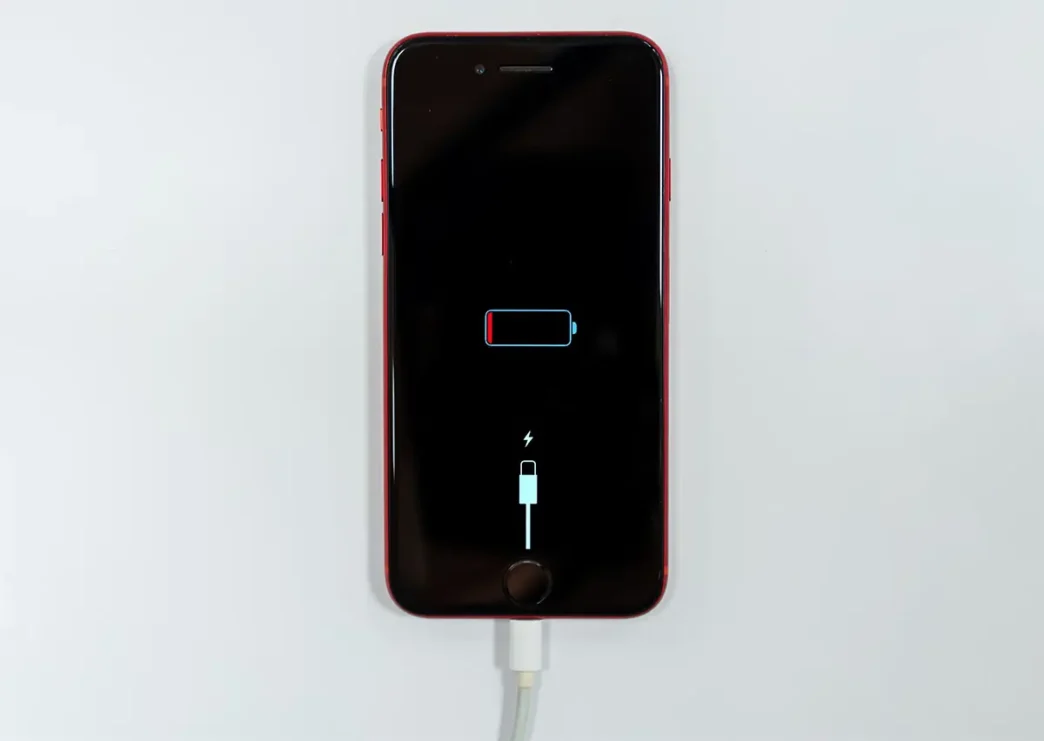
Every battery in smartphones weakens after a certain time as the lithium-ion cells lose capacity after hundreds of charge cycles. As phones come with powerful processors, AMOLED displays, many users notice faster battery drain by the second or third year. Manufacturers now provide easier battery replacement.
Modern Repair Tools and Techniques
Repair methods have advanced in recent years. There are better tools, modular components, and online training, which make it easier for professionals to diagnose and fix problems more accurately.
Smarter Diagnostic Tools
Modern repair shops now use diagnostic software that can run checks on hardware parts. These tools identify issues with charging circuits, camera sensors, or display connections without having to manually open the device. Some systems use AI-based diagnostics that can interpret data from temperature, voltage, and signal tests to find the issues. The technology for repairing phones has been gradually evolving. Currently, it’s in a stage where unnecessary part replacement is less common.
Micro Repairs for Small Components
Instead of changing an entire motherboard, technicians are now able to work on chips through chip-level repair. They use a microscope to check the damaged chips, boards, or broken connections. It is also cheaper for the customer because only the faulty component is fixed.
Reusable and Eco-Friendly Parts
Many repair centers now use refurbished or recycled parts that still perform well. Some newer phones are designed so that parts like the camera or charging ports can be replaced on their own. This approach makes repairs quicker and reduces waste as fewer phones end up in landfills.
Professional Repair Shops vs. DIY Repairs
When a phone breaks down, many people wonder if they should fix it by themselves or take it to a repair shop. Both might work, but they come with various levels of risk and cost associated with them.
Fixing Your Phone at Home
There are easy repairs that can be done at home. You might find that replacing a screen protector, cleaning or charging port, or changing a phone case might not need any help from an expert. There are also many videos that showcase how you can replace screens or batteries using repair kits sold by phone brands. Repairing a phone at home is risky because modern devices use delicate parts that can easily break if handled without proper precision.
Opening the phone up also voids warranties for many brands, and it can damage the water resistance of the phone. Only try to fix phones on your own if you have the right tools and experience, because it can cost more to fix later.
Going to a Professional Repair Shop
Technicians have access to high-quality tools, genuine parts, and training to make their work credible and dependable. Many repair shops also give a short warranty on their repairs in case the same issue arises within the next three to six months.
Professional repair centers are able to handle issues with the motherboard, water damage problems, or data recovery hassles. Even though professional repair costs might look a lot up front, customers will be able to save more money in the long run by avoiding repeated fixes.
Cost of Cell Phone Repair in 2026
Repair prices are different based on the model of the phone and the damage type. Some parts have become more affordable, but others are still expensive due to limited supply or special components.
Estimated Repair Cost
One of the most common phone issues that needs repair is a broken screen. For newer iPhones, screen replacements at official service centers can range from about $250 to $350. Android phone screen replacement costs less, somewhere between $150 and $250. However, foldable Android models may cost more.
Replacing a battery is cheaper and generally costs between $70-$130 for most models. The most expensive repairs are water damage and motherboard repair because they require more time, tools, and precision.
Factors That Affect Pricing
Many things affect how much you might pay for a repair.
- Phone model: Newer or high-end phones have more complex parts.
- Repair type: Screen and battery replacements are cheaper than motherboard-level repairs.
- Parts availability: Original parts cost more than high-copy, refurbished, or third-party ones.
- Labor: skilled technicians or brand alteration shops charge higher service fees
Is It Worth Repairing an Old Phone?
For many, the answer would be yes. Buying a new phone is more expensive than repairing your old phone. If your phone is old and the repair is more than half of its resale value, upgrading your phone might make sense because it even makes it resellable.
Sustainable Repair Practices
More people are choosing to repair their phones to save money and also reduce electronic waste. When phones are repaired instead of replaced, it prevents electronic parts from adding up in the landfill.
Recycling and Refurbished
These days, repair centers are starting to recycle old and unusable devices by reusing their components, such as screens, batteries, or cameras. These parts are cleaned, tested, and then sold as refurbished replacements. Refurbished electronic parts perform almost the same as the new ones and cost less.
Some companies also offer programs where you can return an old phone for a discount on repairs on a new model. This helps to keep well-working components in circulation instead of being thrown away.
Repair-Friendly Design Trends
Manufacturers are slowly responding to demands for sustainable designs. Phones that have removable bags or pull tab batteries are easy to fix and recycle. Fairphone is an example of this, which is known for its fully modular design that lets users replace parts using only a screwdriver.
These changes might seem small, but they make repairs faster and reduce the number of full device replacements. It can also encourage people to hold on to their phones longer and lower the overall demand for new materials.
Final Thoughts
Repairing your phone in 2026 is easier and more reliable than it used to be. Technicians now have better access to spare parts and are trained in hardware, software, and chip-level repairs. This makes fixing a cracked screen or away battery more accessible now. When you choose repairing instead of replacement, it also helps to reduce e-waste and keep devices in use for a longer period.