Cloud gaming is revolutionising the video game industry, offering players unprecedented access to high-quality gaming experiences without expensive hardware. Services like NVIDIA GeForce Now, Xbox Cloud Gaming, and the now-defunct Google Stadia are at the forefront of this transformation. This shift has significant implications for the future of gaming, accessibility, and the broader technology landscape.
The Birth of Cloud Gaming
Cloud gaming emerged as an ambitious idea in the early 2000s when companies began exploring ways to offload game processing from local machines to remote servers. The first notable attempt came with OnLive, a cloud gaming service launched in 2010.
It promised instant access to games without requiring high-end hardware, but technological limitations, high latency, and insufficient internet speeds hindered its success. Similarly, Gaikai, another early cloud gaming service, was acquired by Sony in 2012 and laid the foundation for what would become PlayStation Now.
Despite early setbacks, cloud gaming continued to develop as internet speeds improved, data centres expanded, and companies refined streaming technology. This enabled smooth online gaming experiences, such as less laggy interaction, high-end graphics in online casinos, seamless blackjack gaming, etc.
Today, major players like NVIDIA, Microsoft, Sony, and Amazon are pushing the boundaries of cloud gaming, bringing it closer to mainstream adoption.
How Cloud Gaming Works
Cloud gaming operates by streaming games from powerful remote servers to a player’s device over the internet. Instead of relying on a local console or gaming PC, the cloud gaming service runs the game on its servers and transmits real-time audio and video feedback to the user.
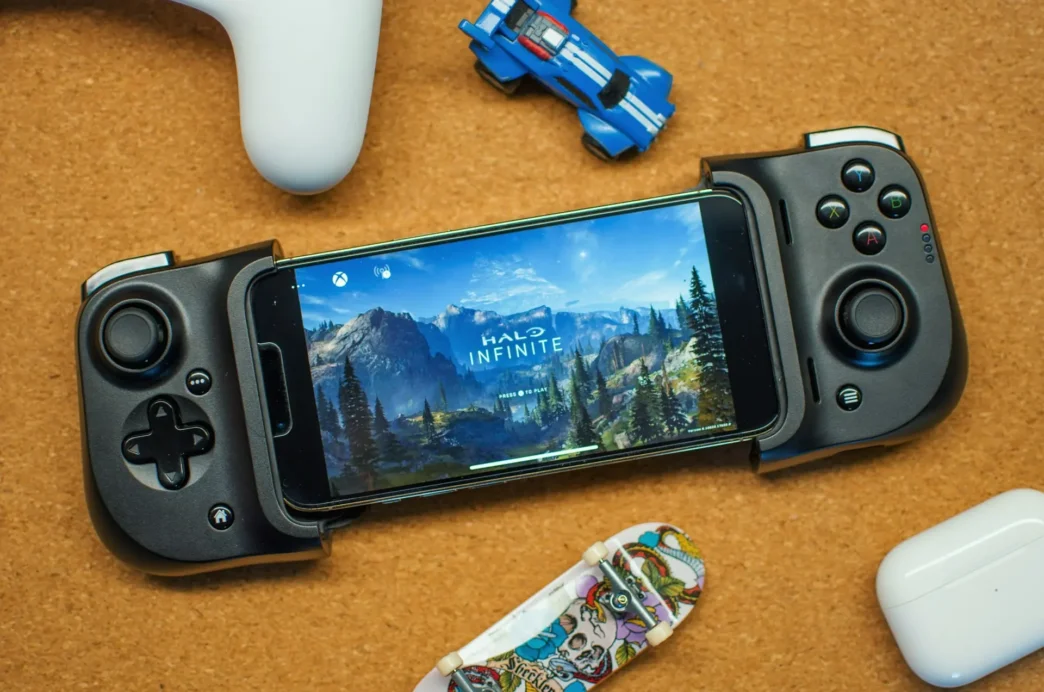
Player inputs, such as controller movements or keyboard commands, are returned to the server and processed almost instantaneously. This method eliminates the need for expensive gaming hardware, allowing players to enjoy high-end games on smartphones, tablets, smart TVs, and even low-end laptops.
The main requirements are a stable internet connection with low latency and sufficient bandwidth to ensure smooth streaming without lag or interruptions.
Key Players in Cloud Gaming
Several major companies have entered the cloud gaming arena, each offering unique features and services. The most notable platforms include:
1. NVIDIA GeForce Now
NVIDIA GeForce Now enables players to stream games they already own from platforms like Steam and the Epic Games Store. Unlike other cloud services that require a subscription to access a curated library, GeForce Now allows users to play their existing game collections on virtually any device. The service offers free and paid tiers, with higher-end subscriptions providing better performance and access to RTX-enabled graphics for an enhanced experience.
2. Xbox Cloud Gaming (formerly Project xCloud)
Microsoft’s Xbox Cloud Gaming is part of the Xbox Game Pass Ultimate subscription, offering a vast library of games that can be streamed on various devices. Microsoft leverages its Azure cloud infrastructure to provide seamless gaming experiences with minimal latency. The integration with Xbox Game Pass makes it an attractive option for gamers who want access to a large catalogue without needing a console or gaming PC.
3. Google Stadia (Now Discontinued)
Google Stadia launched in 2019 with ambitious plans to revolutionise gaming by eliminating the need for consoles. Unlike GeForce Now, Stadia required players to purchase games directly from its platform, which limited its appeal. Despite offering impressive streaming quality and low-latency gaming, Stadia struggled with adoption and was ultimately shut down in early 2023.
4. PlayStation Now (Now Integrated into PlayStation Plus)
Sony’s PlayStation Now started as a cloud gaming service allowing players to stream classic and modern PlayStation games. It has since been merged into the PlayStation Plus subscription service, offering cloud streaming for certain titles. Sony continues to refine its cloud gaming strategy, particularly as competition intensifies.
5. Amazon Luna
Amazon entered the cloud gaming market with Luna, a subscription-based service offering a rotating selection of games. Luna integrates with Twitch, allowing for seamless game streaming and viewer interaction. It aims to provide a smooth gaming experience, though it remains in its early stages compared to competitors like Microsoft and NVIDIA.
Advantages of Cloud Gaming
The rise of cloud gaming presents numerous advantages that are reshaping the industry:
1. Eliminating Hardware Barriers
Cloud gaming removes the need for expensive gaming PCs and next-gen consoles. Players can access high-quality gaming experiences on low-end laptops, tablets, and even smartphones, making gaming more accessible.
2. Instant Access to Games
With cloud gaming, there are no long download times, installations, or updates. Players can start gaming instantly by streaming their desired title from the cloud, significantly reducing wait times and improving convenience.
3. Cross-Device Compatibility
Cloud gaming services support multiple devices, allowing players to switch seamlessly between a PC, console, or mobile device without losing progress. This flexibility enhances the overall gaming experience.
4. Reduced Piracy and Cheating
Cloud gaming operates on remote servers, reducing the risk of piracy and cheating. Players cannot modify game files or use unauthorised software, making the gaming environment fairer.
Final Words
The evolution of cloud gaming is transforming the industry, offering players more accessibility, flexibility, and convenience. While challenges remain, the technology’s potential is undeniable.
With companies like NVIDIA, Microsoft, Sony, and Amazon investing heavily in cloud gaming, the future promises a new era where high-performance gaming is available to everyone, regardless of hardware limitations. As streaming technology advances, cloud gaming is poised to become a dominant force in the gaming industry, reshaping how we play and experience video games.