Why do we keep doing it?
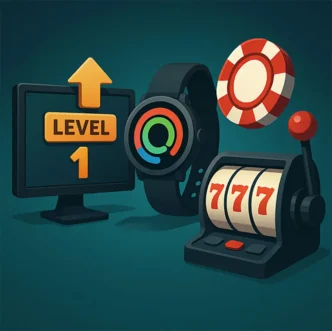
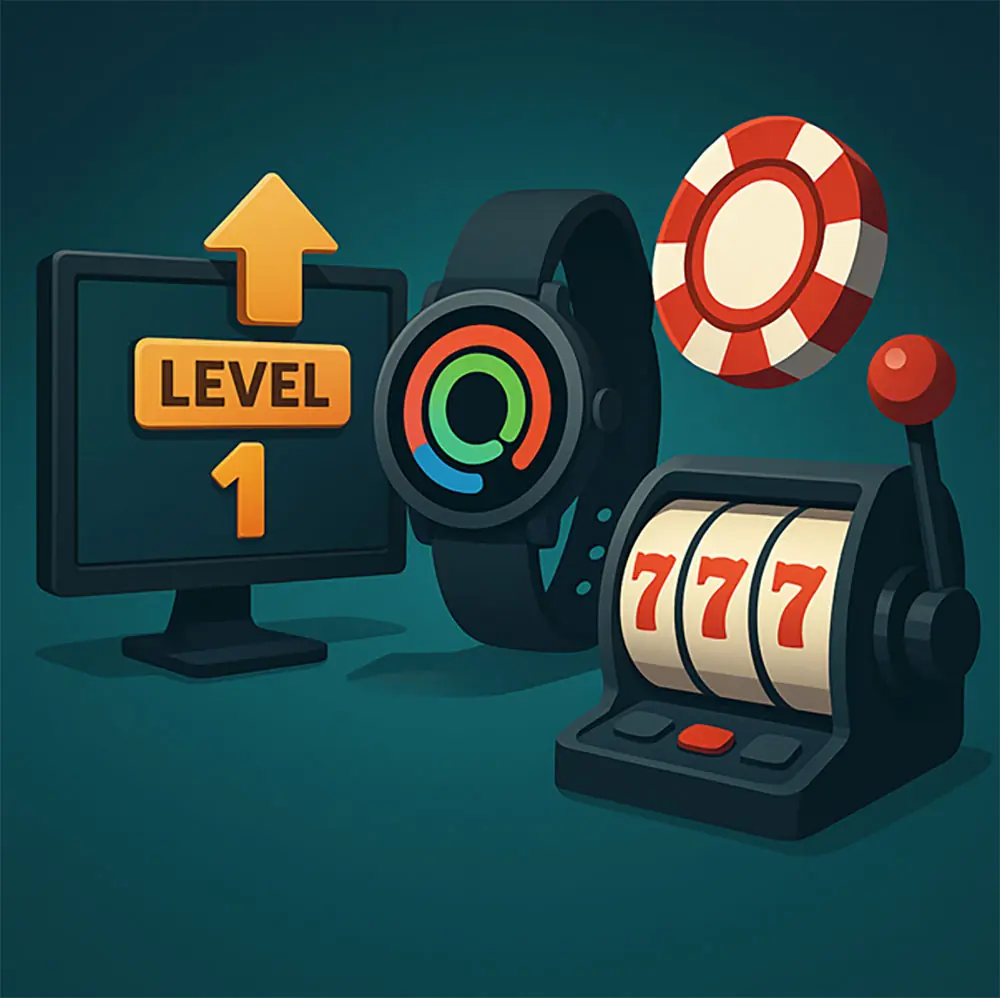
It doesn’t matter if it’s a favorite PC game, a smartwatch buzzing with “daily goals,” or the neon glow of a casino app — people check in again and again. Graphics and soundtracks are great, sure, but they’re not the real reason. Underneath, it’s pure psychology: loops of progress, rewards, and habits designed to keep us hooked.
And it works frighteningly well. Surveys show that more than 60% of mobile gamers log in every single day. That’s not just passion — that’s design. These same loops drive fitness apps, productivity tools, social media notifications… and yes, online casinos like 7Bit Casino, where psychology is built directly into the experience.
Casinos as a Case Study in Engagement
On the surface, it looks generous:
- A big welcome bonus
- Free spins
- VIP perks
But look closer. That welcome pack isn’t one lump sum — it’s spread across four deposits. Free spins aren’t jackpots — they’re trial runs. VIP levels aren’t just about cashback — they’re milestones that keep you coming back, one rung at a time.
Card games, especially poker, add another dimension. Unlike slots, where outcomes rely purely on chance, this format blends skill with uncertainty. The mix of probability, bluffing, and strategy keeps players engaged longer, because each hand feels like both a gamble and a personal challenge.
In this context, 7bit casino shows how bonuses, progression systems, and card play are tied into one seamless structure that encourages long-term engagement. What seems like “free stuff” is actually a carefully crafted cycle — the platform doesn’t just hand out perks, it builds engagement architecture.
Progress: Levels, Ladders, and the Pull of the Unfinished
Humans are wired to chase progress. Unlock a new level. Earn a badge. See a streak counter climb higher. It feels good — even if the actual prize is tiny.
Psychologists have a name for it: the Zeigarnik effect. Our brains hate unfinished tasks. That’s why you can’t stop thinking about a half-done quest or why you feel compelled to climb from Bronze to Gold in a casino’s VIP ladder. The incompleteness itself is the hook.
At 7Bit Casino, the VIP program plays exactly on this psychology — Bronze, Silver, Gold, Platinum tiers create visible milestones. In poker, progress works the same way. Players move from casual tables to tournaments, then to higher stakes, always seeking the next step forward.
Progress systems appear everywhere:
- Leveling up with XP in games
- Collecting badges, streaks, and trophies in apps
- Advancing through VIP tiers in online casinos
- Unlocking new content after milestones
Rewards: The Dopamine Loop
Here’s where it gets interesting: predictable rewards are boring. Unpredictable ones? Irresistible.
That’s the secret behind loot boxes, rare item drops, and randomized battle rewards. You don’t know what’s inside, and that anticipation — that rush before the reveal — is the real high. Psychologists call it reward anticipation, and it lights up the brain’s dopamine loop even stronger than the reward itself.
Casinos thrive on this. Free spins, bonus rounds, progressive jackpots — all of them are built on unpredictability. Studies show variable rewards can stretch play sessions by up to 50% compared to fixed payouts. Formats like poker in online casino amplify this effect: each hand carries uncertainty, but the player’s decisions add a sense of control. That blend of luck and strategy makes poker uniquely engaging.
7Bit Casino leans heavily on this loop — unpredictable spins, bonus structures, and jackpots are designed to stretch engagement far beyond a single session.
Habits: Turning Play Into Routine
Daily quests. Season passes. Weekend events. Miss a day and you fall behind, but show up consistently and you’re rewarded. Sound familiar?
Casinos copy-paste this system. At 7Bit Casino, Monday cashback or weekend reload bonuses push you to check in at specific times. Do it often enough and it stops being a decision — it becomes a ritual.
Poker tournaments work the same way. Weekly schedules and daily events encourage players to log in at fixed times, until participation becomes a habit as automatic as checking a phone notification.
Examples of routine-driven engagement:
- Daily login streaks in mobile games
- Cashback bonuses tied to specific days
- Limited-time passes with countdown timers
- Fitness apps flashing “Don’t break your streak!”
That’s the gamification of routine.
Competition and the Social Pull
We’re competitive by nature, and games exploit it mercilessly. Leaderboards, multiplayer battles, Twitch streams — we want to see where we stand, and we want to beat others.
Casinos use the same playbook. Slot tournaments, ranking boards, even live-dealer games with chat features add that competitive edge. But poker remains the clearest expression of competition-driven design: bluffing, reading opponents, and climbing ladders of tournament play combine rivalry with psychology.
Streaming reinforces this. Reports suggest over 20% of younger players first discovered online gambling through casino streams on Twitch and YouTube. Poker broadcasts, in particular, resemble esports matches — blending skill, risk, and spectacle. And platforms like 7Bit Casino increasingly integrate tournaments and live elements to meet this demand.
Technology as a Multiplier
Tech supercharges these psychological hooks. VR puts you inside the game. AR makes your living room part of the battlefield. Streaming turns private play into a shared experience with millions watching.
Casinos aren’t lagging behind. VR roulette tables where avatars wave across the table, live-dealer streams that mimic a real casino floor, even crypto payments for anonymity — it’s all part of the same push. Online poker has also embraced tech, from multi-table play to AI-powered opponents, and even VR environments where bluffing and body language matter again.
7Bit Casino sits right in the middle of this shift — combining cryptocurrency, live play, and gamified design into a single experience.
Beyond Entertainment: It’s Everywhere
Here’s the kicker: it’s not just games and casinos. The same mechanics run social media. Likes, push notifications, infinite scroll — they’re all versions of the same progress-reward-habit cycle.
The overlap between games, gadgets, casinos, and poker reveals a bigger truth: behavioral science drives digital engagement everywhere. Progression systems, variable rewards, streaks, and social validation aren’t unique — they’re universal.
Recognizing them doesn’t ruin the fun. It just means you can see the strings being pulled.
Conclusion
Games and casinos may look like different worlds, but psychologically they’re powered by the same engine. Engagement loops. Rewards. Rituals. Competition.
And here’s the sharp edge: those very same loops also drive productivity apps, fitness trackers, and your favorite social networks. The difference between closing activity rings and pushing chips into the pot at a poker table isn’t the mechanism — it’s your awareness of it.
So next time you chase loot, check a streak, or call a bluff, ask yourself:
Are you playing the game — or is the game playing you?