San Francisco shapes the future of user experience design. The city where smartphones evolved and social media was born continues to lead digital innovation. These five agencies represent the pinnacle of UI/UX excellence in the world’s tech capital.
The Best UI/UX Design Companies in San Francisco Rankings
1. Clay: The Digital Artists
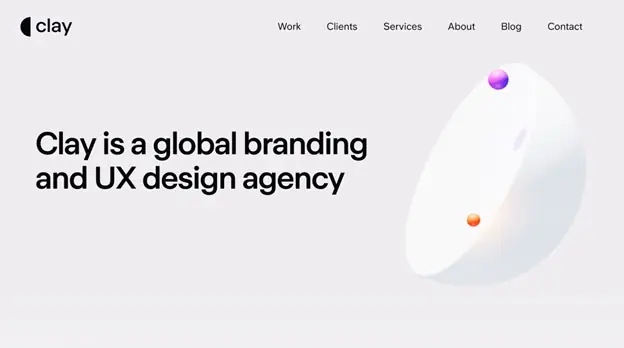
Clay transforms user interfaces into emotional experiences. This creative powerhouse brings artistic sensibility to San Francisco’s tech scene. Every interaction they design feels intentional and delightful.
What makes Clay special in UI/UX is their obsession with micro-interactions. Buttons don’t just respond—they tell stories. Loading screens become moments of anticipation rather than frustration. They understand that great user experience lives in the smallest details.
Clay works with brands that want to stand out in crowded markets. Their interfaces win awards because they balance beauty with usability. Users remember Clay-designed experiences long after they close their browsers.
Signature strength: Emotional design and brand storytelling through interfaces
Famous for: Award-winning animations and interactive experiences
Notable clients: Coca-Cola, Slack, Snapchat
Pricing: $$
2. Mission Control: The Future Builders
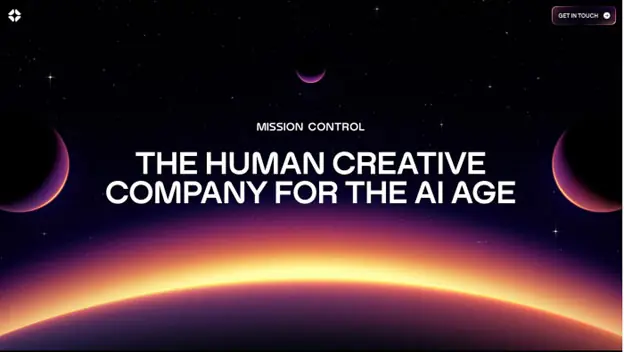
Mission Control represents UI/UX design’s next evolution. This innovative agency uses artificial intelligence to enhance human creativity. Their UX/UI designers spend more time thinking strategically and less time pushing pixels.
AI handles routine UX/UI design tasks while humans focus on user psychology and business strategy. This approach lets them move faster without sacrificing quality. They can test hundreds of interface variations and optimize based on real user behavior.
Mission Control specializes in emerging technologies like web3 and fintech. These industries need interfaces that make complex concepts feel simple. Their combination of human insight and AI efficiency creates user experiences that feel both innovative and intuitive.
Signature strength: AI-enhanced design process and emerging technology expertise
Famous for: Pioneering AI-human collaboration in design
Notable clients: Crypto and fintech startups across the Bay Area
Pricing: $$
3. IDEO: The Design Thinking Pioneers
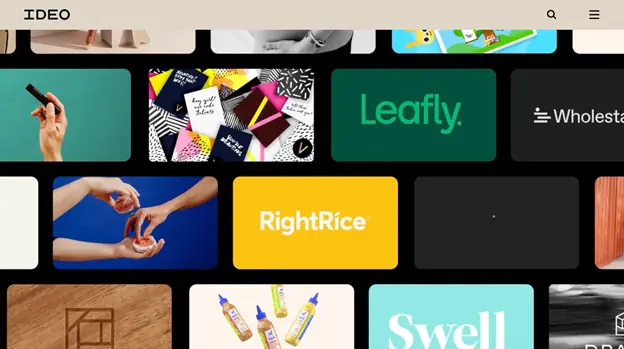
IDEO didn’t just influence design thinking—they invented it. From their Palo Alto headquarters, they’ve spent decades solving impossible problems through human-centered design. Their approach goes far beyond pretty interfaces to understand what makes people tick.
This legendary agency created the first computer mouse for Apple and designed countless digital experiences that changed how we interact with technology. They work with everyone from startups to Fortune 500 companies, always asking the same question: what do users really need?
IDEO’s strength lies in research and strategy. They spend months understanding user behavior before touching a single pixel. Their workshops and design sprints have become industry standards. When companies need breakthrough thinking, not just beautiful designs, they choose IDEO.
Signature strength: Human-centered design methodology and innovation consulting
Famous for: Creating design thinking as a discipline
Notable clients: Apple, Ford, Kaiser Permanente
Pricing: $$$
4. frog: The Strategic Innovators
frog brings European design philosophy to American innovation. Founded in Germany but now deeply rooted in San Francisco, they approach UI/UX through strategic business lenses. Their designs don’t just look good—they drive growth.
The agency combines research, strategy, and design into powerful solutions. They’ve worked with Apple, Disney, and Microsoft to create products that millions use daily. Their San Francisco team understands both global markets and local startup culture.
frog excels at complex design challenges. Healthcare systems, financial platforms, and enterprise software all benefit from their systematic approach. They make complicated things simple without losing functionality.
Signature strength: Strategic design for complex business challenges
Famous for: Long-term partnerships with major tech companies
Notable clients: Apple, Disney, Microsoft
Pricing: $$
5. Designit: The Global Connectors
Designit operates from San Francisco but thinks globally. This Wipro company connects local startups with international markets through thoughtful design. They understand cultural differences that affect user behavior worldwide.
Their strength comes from combining local insights with global perspective. A startup designed for San Francisco might need different approaches for European or Asian markets. Designit bridges these gaps through careful research and cultural understanding.
The agency focuses on service design alongside traditional UI/UX. They map entire user journeys across multiple touchpoints. This holistic approach creates consistent experiences whether users interact through mobile apps, websites, or physical locations.
Signature strength: Global perspective and service design expertise
Famous for: Cross-cultural design solutions and international expansion
Notable clients: BMW, Samsung, various global enterprises
Pricing: $$
Inside San Francisco’s UI/UX Ecosystem
The city’s unique position creates perfect conditions for UI/UX innovation. Agencies work directly with companies building tomorrow’s technologies. They see user behavior patterns months before they reach other markets.
San Francisco’s design community shares knowledge freely. Agencies collaborate on research projects and share insights at industry events. This collective intelligence benefits everyone and pushes the entire field forward.
The Art and Science of Great UI/UX
Research Drives Everything
Top agencies start every design project with deep user research. They conduct interviews, analyze behavior data, and test assumptions before designing anything. This research foundation separates excellent agencies from merely good ones.
Iteration Never Ends
Great UI/UX emerges through constant refinement. Agencies test early concepts with real users, gather feedback, and improve continuously. Launch day marks the beginning of optimization, not the end of design.
Technology Serves Users
San Francisco agencies understand technology deeply but never let it dominate user needs. They adopt new tools and platforms that improve user experiences while avoiding complexity for its own sake.
Business Goals Meet User Needs
The best agencies balance user satisfaction with business objectives. They create designs that delight users while driving measurable results. This balance requires both creative vision and analytical thinking.
Choosing Your UI/UX Partner
Consider your project’s unique requirements when selecting an agency. Startups might benefit from Mission Control’s speed and innovation. Established companies with complex challenges might prefer IDEO’s methodical approach.
Budget plays a major role in agency selection. Premium agencies charge accordingly, but their expertise often justifies the investment. Consider the long-term value of great user experience, not just upfront costs.
Cultural fit matters as much as design skill. The best partnerships involve agencies that understand your company’s values and communicate effectively with your team.
Frequently Asked Questions
What are the best UI/UX design agencies in San Francisco?
The top UI/UX design agencies in San Francisco include IDEO for design thinking methodology, Clay for emotional interface design, frog for strategic innovation, Designit for global perspective, and Mission Control for AI-enhanced processes. Each agency brings unique strengths to different types of projects.
How do UI/UX agencies differ from web design agencies?
UI/UX agencies focus specifically on user research, interface design, and user experience optimization. Web design agencies often handle broader website creation including development and marketing. UI/UX specialists dive deeper into user behavior and interaction design.
What should I expect to pay for UI/UX design in San Francisco?
San Francisco UI/UX projects typically cost $50,000 to $500,000 depending on complexity and scope. Simple app interfaces start around $30,000. Complex enterprise systems can exceed $1 million. Research-heavy projects cost more due to extensive user testing and iteration.
How long does a typical UI/UX project take?
Most UI/UX projects require 3-8 months from research to final designs. Discovery and research phases take 4-8 weeks. Design and prototyping need 8-16 weeks. Testing and refinement add another 4-8 weeks. Complex projects may take over a year.
Do these agencies work with startups or just large companies?
Most agencies work with various company sizes but offer different service levels. IDEO and frog typically focus on larger budgets. Mission Control specializes in ambitious startups. Clay selects projects based on creative potential regardless of company size.
What’s the difference between user interface design design (UI) and user experience design (UX)?
User interface (UI) design focuses on visual interface elements like buttons, colors, and layouts. User experience (UX) design encompasses the entire user experience including research, strategy, and user journey mapping. The best agencies excel at both and understand how they work together.
How do agencies measure UI/UX success?
Success metrics include user satisfaction scores, task completion rates, conversion improvements, and reduced support tickets. Agencies typically track these metrics before and after design changes to demonstrate impact. Business goals determine which metrics matter most.
Should I hire a local San Francisco agency or work remotely?
Local agencies understand Bay Area culture and can meet in person when needed. However, many excellent agencies work remotely with great results. Consider communication preferences, project complexity, and budget when deciding between local and remote options.
What information should I prepare before contacting agencies?
Gather existing user research, competitor analyses, and current design assets. Define your target users clearly. Set realistic budgets and timelines. Document business goals and success metrics. Prepare examples of designs you admire and explain why they work well.
Do agencies provide ongoing support after project completion?
Most agencies offer maintenance and optimization services through retainer agreements. This includes analyzing user feedback, implementing improvements, and updating designs based on new data. Ongoing relationships often produce better long-term results than one-time projects.
How do agencies stay current with design trends?
Top agencies invest heavily in research and development. They attend conferences, conduct user studies, and experiment with new technologies. Many agencies also contribute to design publications and speak at industry events to share their findings.
What makes San Francisco UI/UX agencies unique?
San Francisco agencies work at the center of technology innovation. They see new platforms and user behaviors first. Their proximity to major tech companies provides insights that agencies in other cities can’t match. This advantage translates into more forward-thinking designs.
Can agencies help with both mobile and web interfaces?
Yes, top agencies design across all digital platforms. They understand how users behave differently on phones, tablets, and computers. Many agencies also design for emerging platforms like voice interfaces, AR/VR, and smart devices.
How do I know if an agency’s design approach fits my project?
Review their case studies carefully, focusing on projects similar to yours. Ask about their design process and methodology. Schedule discovery calls to assess how well they understand your challenges. The right agency will ask thoughtful questions about your users and business goals.
What happens if I’m not satisfied with the initial designs?
Professional agencies include revision rounds in their contracts. They typically present multiple design directions initially, then refine based on your feedback. Clear communication about expectations and regular check-ins help prevent major surprises. Most agencies want satisfied clients and will work to address concerns.