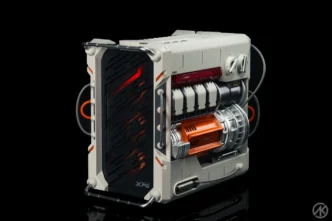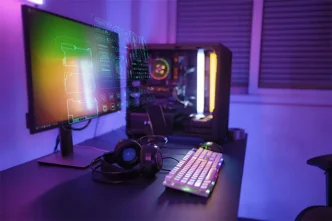

Computers are everywhere in our daily lives. From smartphones and laptops to the systems used in schools, offices, and even online platforms like Azurslot, computers play a central role in how we work, communicate, and have fun. But while most of us use them every day, many people don’t fully understand what makes a computer work. To keep things simple, every computer can be thought of as having two main parts: hardware and software. Both are essential, and together they make computers useful and powerful.
What is Hardware?
Hardware is the physical part of a computer—the parts you can see and touch. For example:
Central Processing Unit (CPU): Often called the brain of the computer, the CPU carries out instructions and processes information.
Memory (RAM): Random Access Memory stores data temporarily while the computer is running, making it faster to access information.
Storage Devices: Hard drives (HDD) or solid-state drives (SSD) store all the files, programs, and operating system permanently.
Motherboard: This is the main circuit board that connects all components together.
Input Devices: Keyboards, mice, scanners, and microphones allow users to enter information into the computer.
Output Devices: Monitors, printers, and speakers show or play back the results of the computer’s work.
Hardware is what gives a computer its physical form and power. Without it, there would be nothing to run programs on.
What is Software?
If hardware is the body, then software is the mind. Software refers to the programs and applications that tell the hardware what to do. Without software, a computer would just sit there with no instructions.
There are two main types of software:
System Software: This includes the operating system (like Windows, macOS, or Linux) that manages all the computer’s basic functions. It controls hardware, runs processes, and provides the foundation for all other programs.
Application Software: These are the apps and programs we use every day, such as web browsers, word processors, games, or music players. Application software is designed for specific tasks and makes the computer useful to us.
Together, system and application software make it possible for us to interact with hardware in a meaningful way.
How Hardware and Software Work Together
The magic of computers comes from the way hardware and software work hand in hand. For example, when you type a document in a word processor (software), the keyboard (hardware) sends signals to the CPU, which processes the information and displays it on the monitor. When you save the document, the data is written to the storage drive.
This constant interaction between hardware and software is what allows computers to handle everything from simple tasks like writing emails to complex jobs like running simulations or editing videos.
Common Computer Devices in Everyday Life
Today, computers come in many forms beyond the traditional desktop. Laptops, tablets, and smartphones all combine hardware and software in compact designs. Gaming consoles, smart TVs, and even modern cars use computer technology to operate smoothly. As a result, understanding the basics of how computers work is useful for almost everyone.
The Importance of Upgrades and Updates
One reason computers remain powerful tools is that both hardware and software can improve over time. Hardware can be upgraded, such as adding more RAM, replacing a hard drive with an SSD, or installing a faster graphics card. These upgrades can make a computer run more smoothly and handle bigger tasks.
Software also needs regular updates. Developers release updates to fix bugs, improve performance, and enhance security. Keeping software up to date is one of the easiest ways to keep a computer safe and reliable.
Looking Toward the Future
The world of computers is always changing. Hardware is becoming smaller, faster, and more energy-efficient. Software is becoming smarter, especially with the rise of artificial intelligence and cloud computing. These advances mean that computers will continue to play an even bigger role in our lives, making tasks easier and connecting people around the world.
Computers are built on two key parts: hardware and software. Hardware provides the physical structure, while software gives it purpose and functionality. Together, they make it possible for computers to perform an endless range of tasks, from sending emails to running complex programs.
By understanding these basics, we gain a clearer picture of how technology works behind the scenes. And as technology continues to evolve, computers will remain at the heart of innovation, helping shape the way we live, learn, and connect with each other.