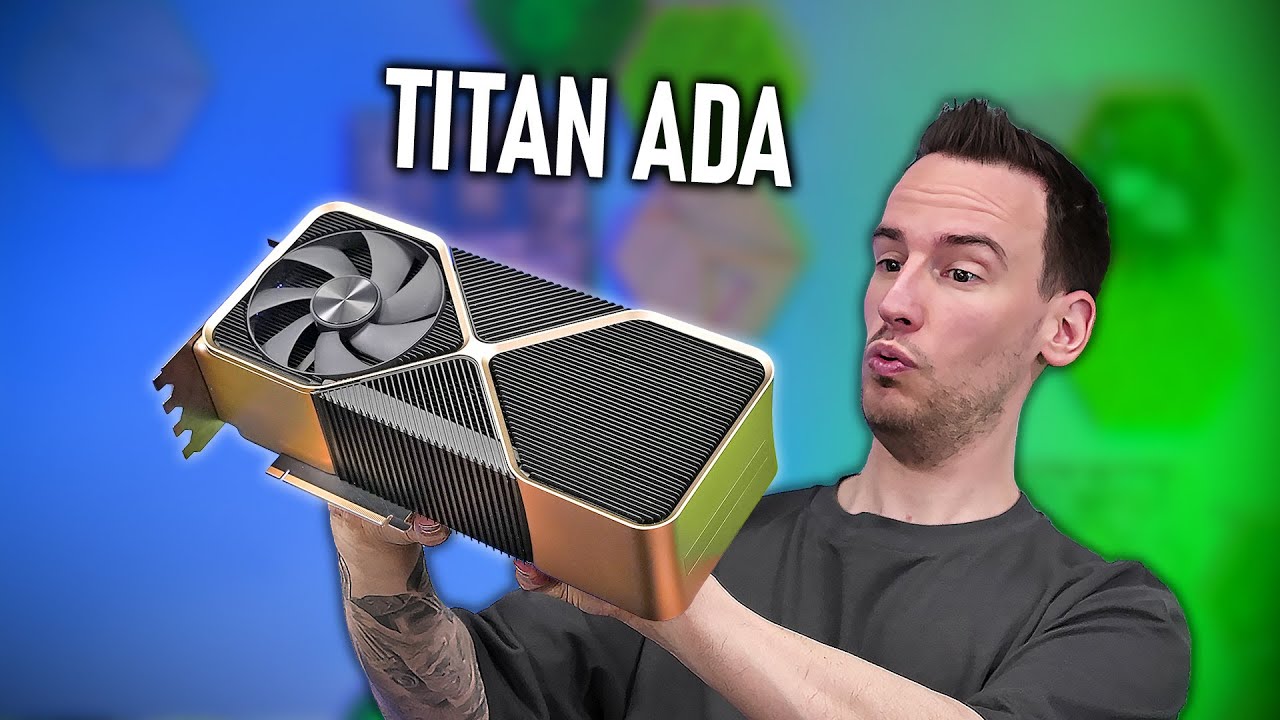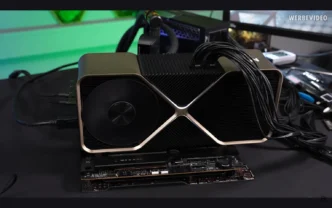
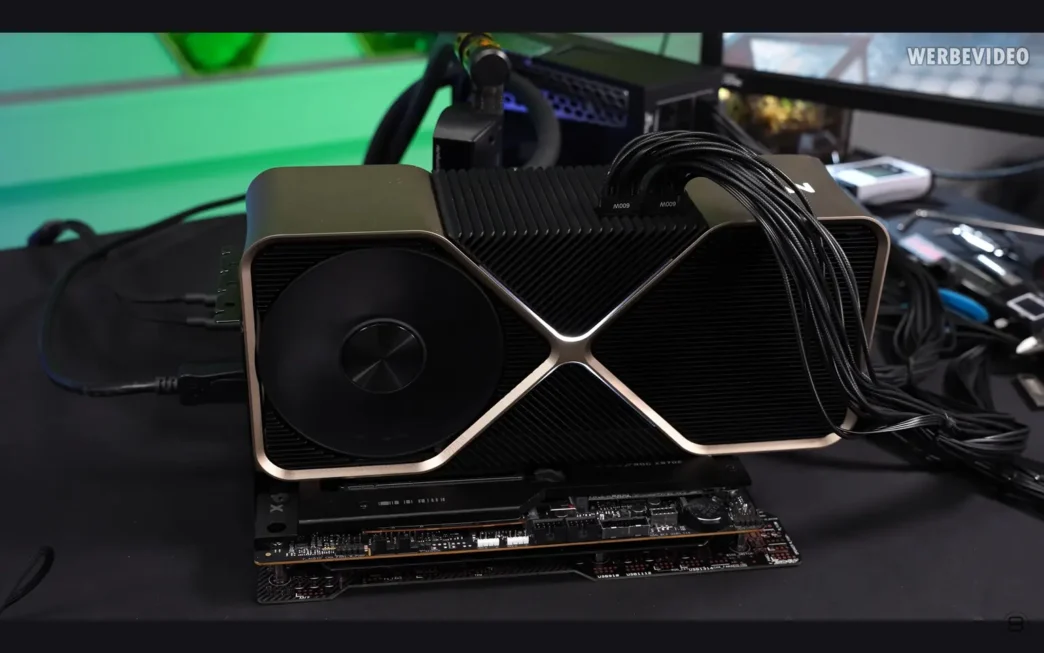
In a surprising revelation, the unreleased NVIDIA RTX Titan Ada prototype has been showcased by overclocking expert “Der8auer”, revealing its impressive specifications and performance metrics. This powerful graphics card, which was never officially launched, boasts features that could have positioned it as a formidable competitor in the GPU market, surpassing even the RTX 4090.
Key Takeaways
- The RTX Titan Ada features 18,432 CUDA cores and 48GB of GDDR6X memory.
- Performance benchmarks show it is 15% faster than the RTX 4090.
- The card was likely scrapped due to market strategy and design complexity.
- It includes dual 16-pin power connectors but maintains a TDP of 450W.
Overview of the RTX Titan Ada
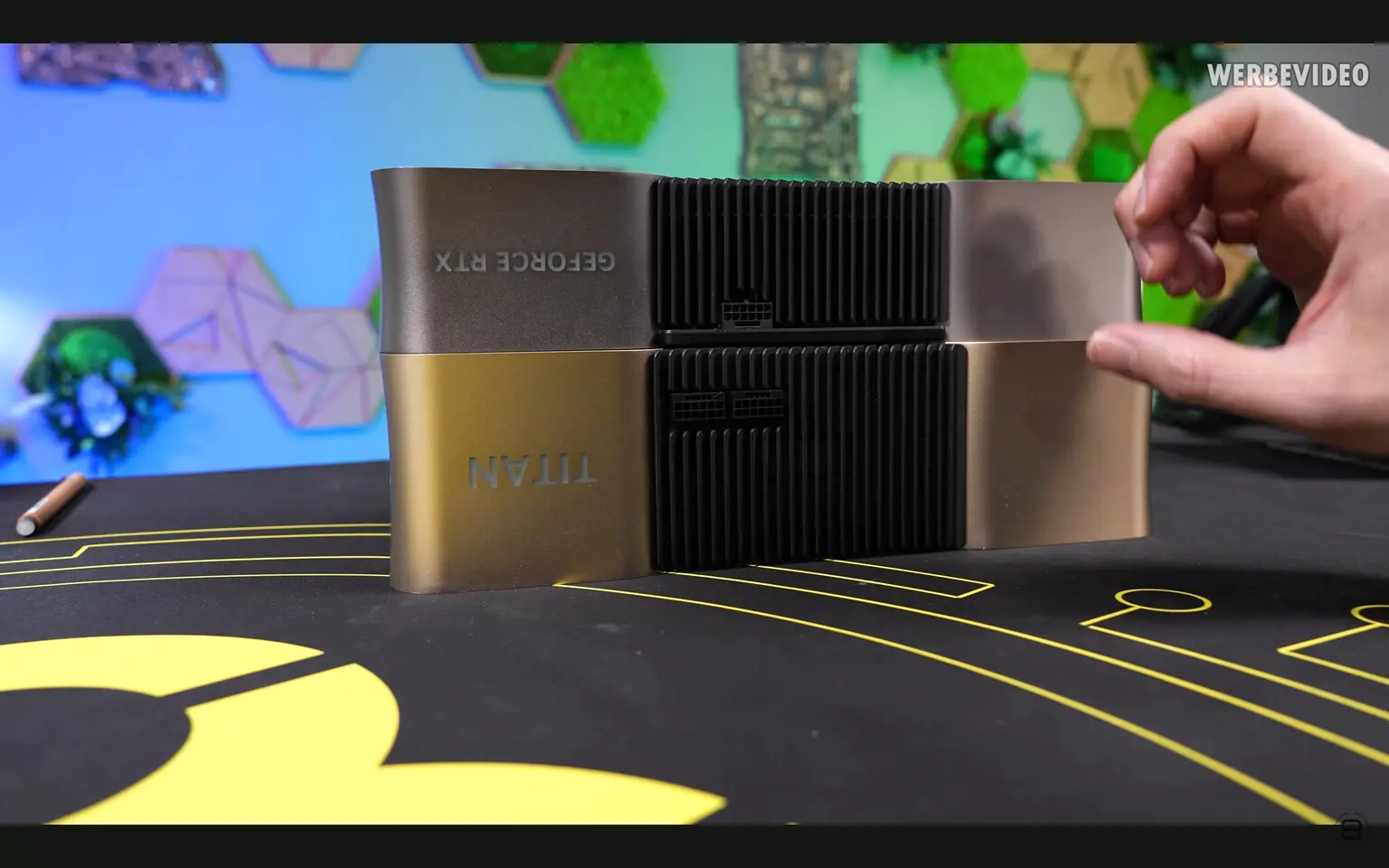
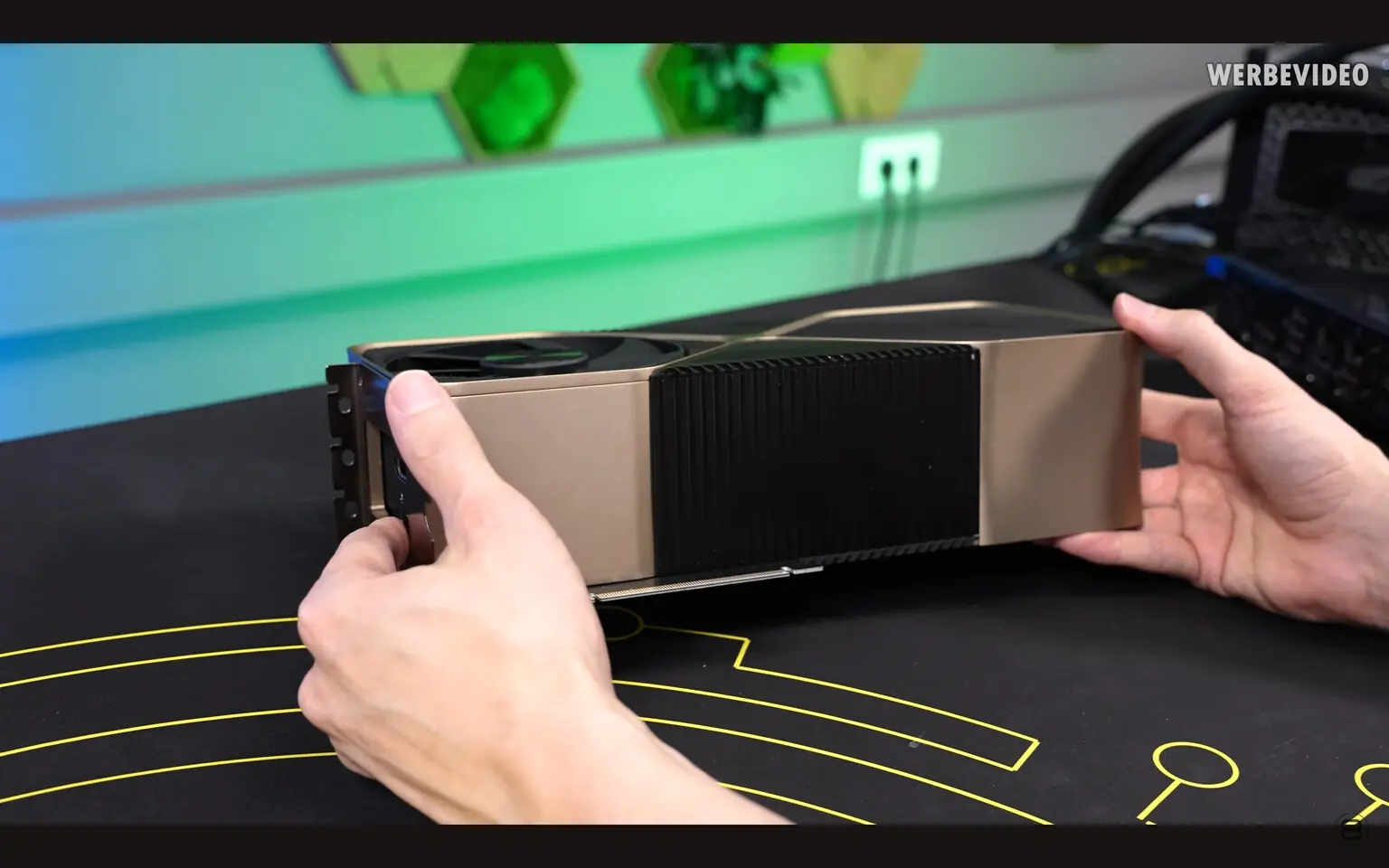
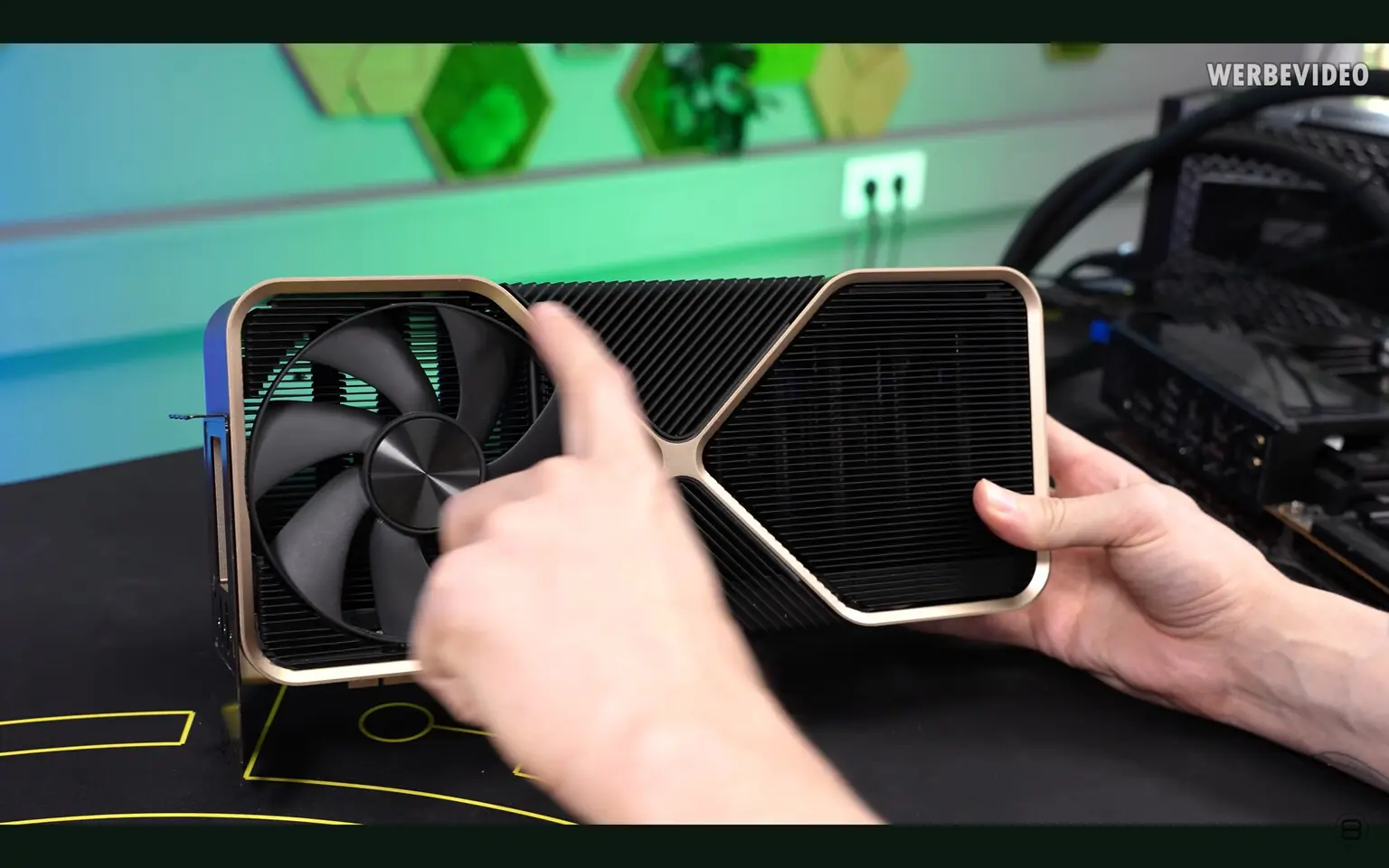
The RTX Titan Ada is built on NVIDIA’s fully enabled AD102 chip, which is the same architecture used in the RTX 4090 but with enhanced capabilities. This prototype was designed to be a flagship model, offering double the memory and more CUDA cores than its predecessor. The card features a unique quad-slot design, making it larger and heavier than the RTX 4090, and includes dual 12VHPWR connectors for power.

Specifications Breakdown
| Specification | RTX 4090 | RTX Titan Ada |
|---|---|---|
| CUDA Cores | 16,384 | 18,432 |
| Memory | 24GB GDDR6X | 48GB GDDR6X |
| Memory Bus Width | 384-bit | 384-bit |
| Base Clock | 2235 MHz | 2235 MHz |
| Boost Clock | 2520 MHz | 2520 MHz |
| TDP | 450W | 450W |
Performance Insights
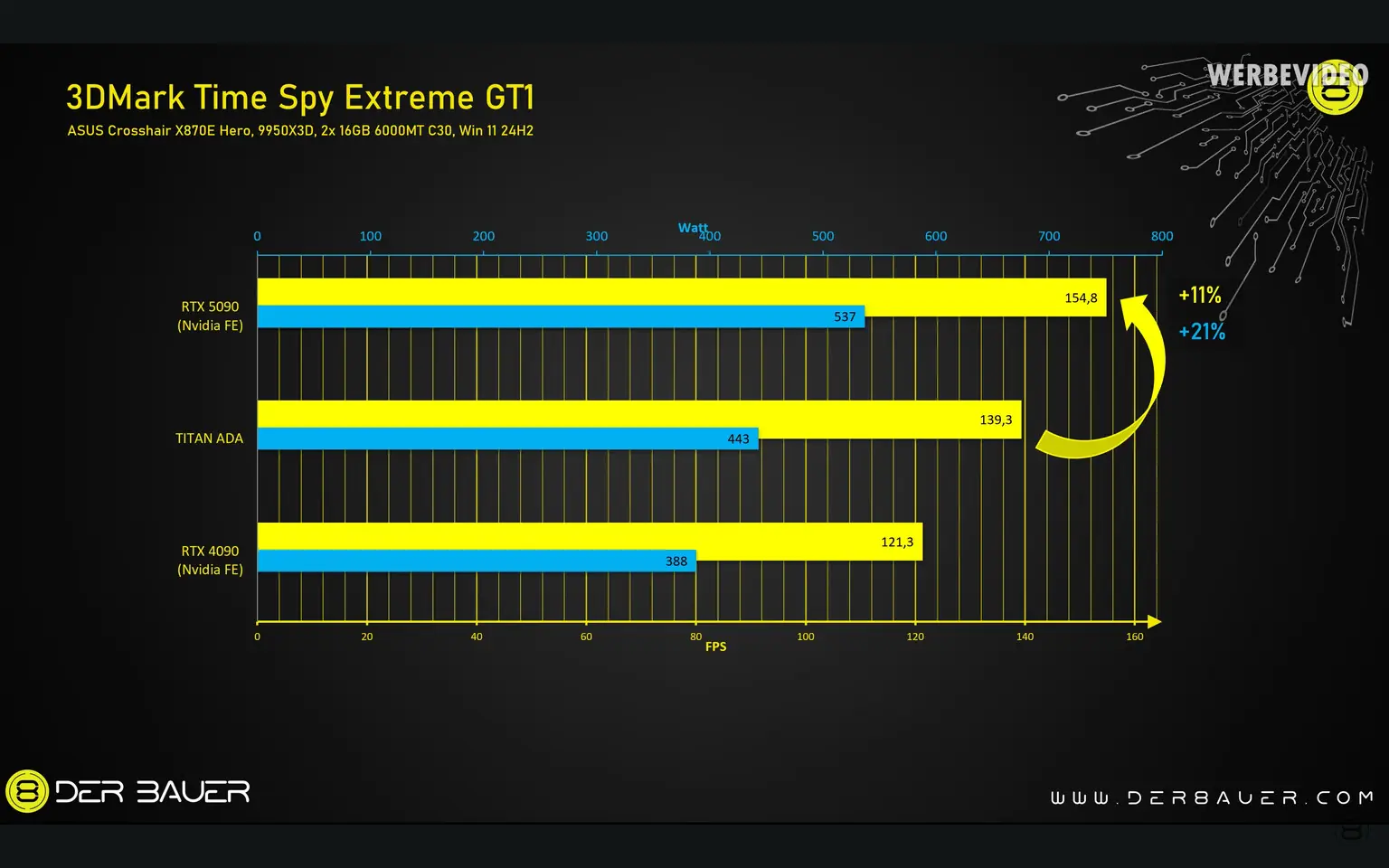
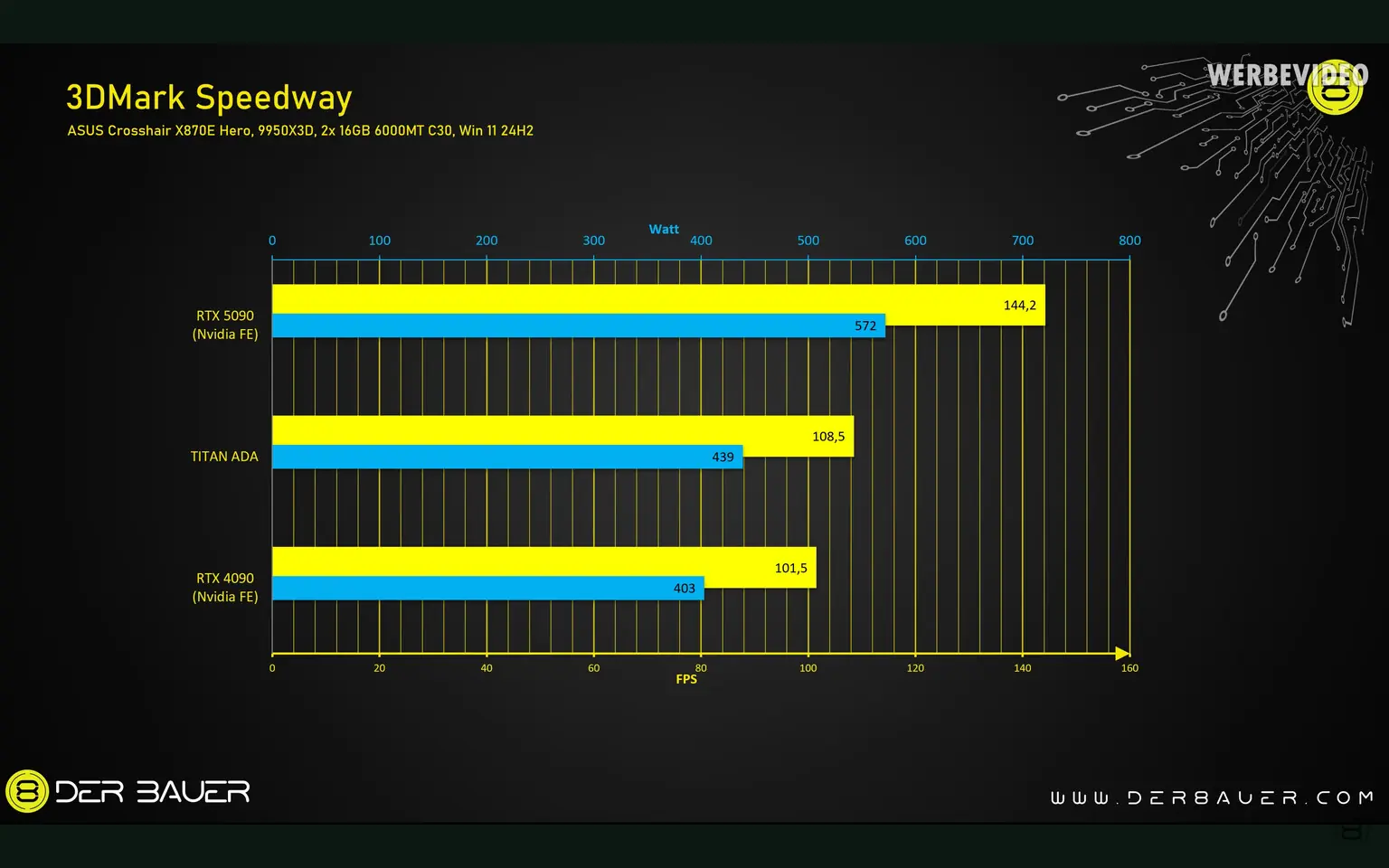
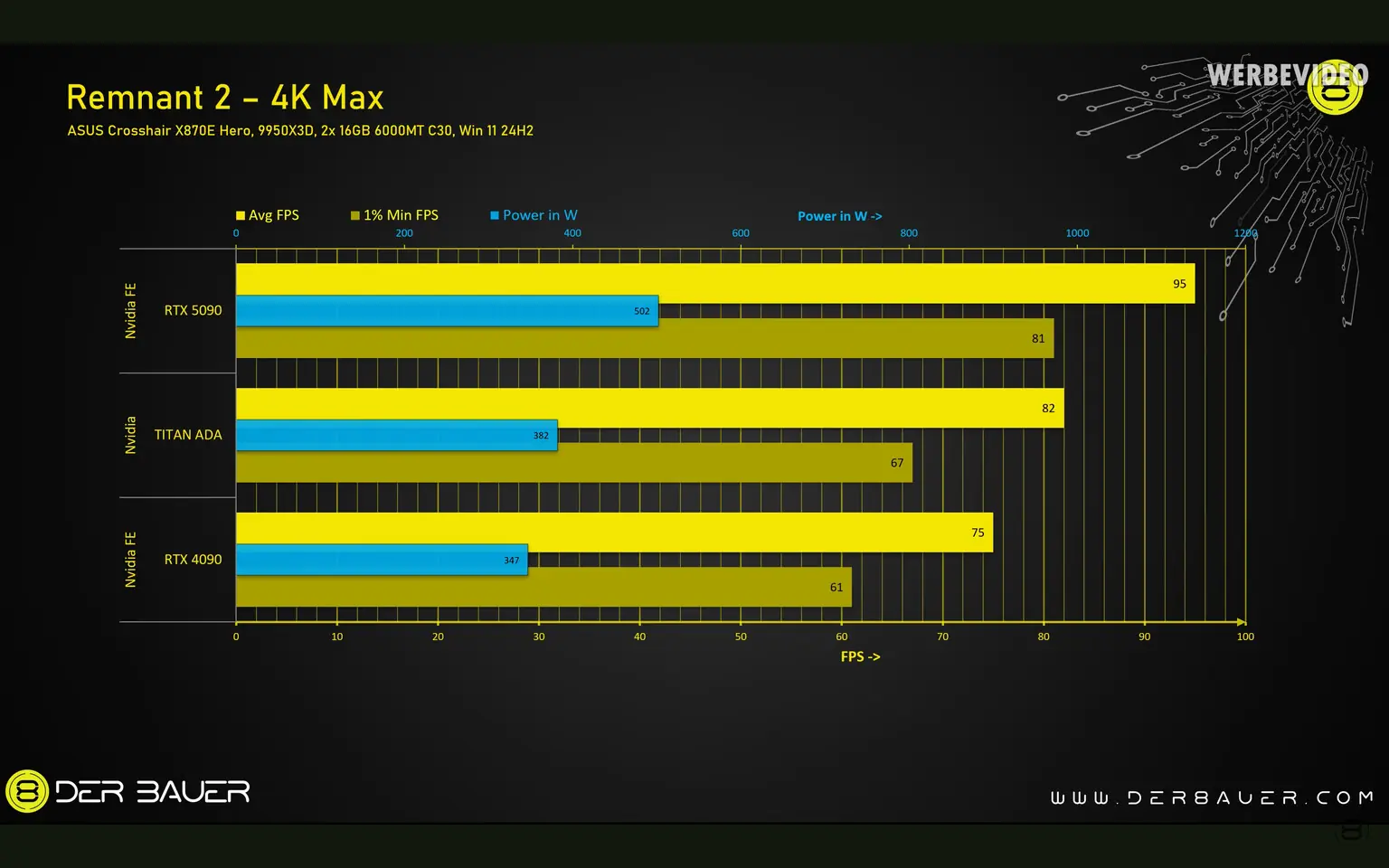
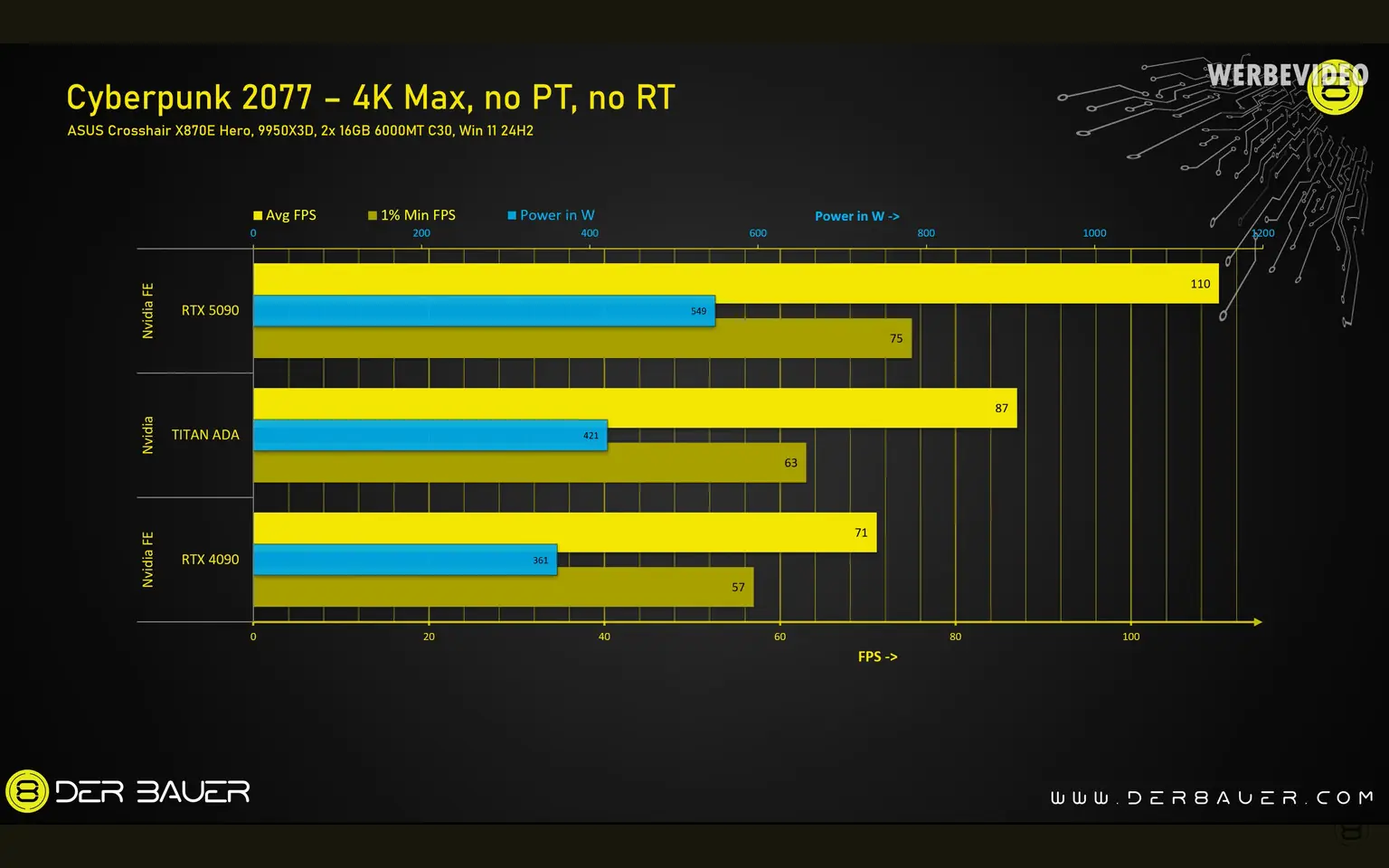
Initial testing conducted by renowned overclocker Der8auer revealed that the Titan Ada outperformed the RTX 4090 by approximately 15% in synthetic benchmarks like 3DMark Time Spy Extreme. In gaming scenarios, it showed a remarkable 22% increase in average FPS in titles such as Cyberpunk 2077 compared to the RTX 4090. However, the card’s performance was limited by driver support, as it was tested with older drivers that did not fully optimize its capabilities.
Reasons for Cancellation
Despite its impressive specifications, the Titan Ada was ultimately scrapped. Several factors contributed to this decision:
- Market Overlap: Launching the Titan Ada close to the RTX 5090 could have cannibalized sales of NVIDIA’s next-generation flagship.
- Design Complexity: The card’s large size and cooling requirements would have posed challenges for consumers and system builders.
- Cost Considerations: The high manufacturing costs associated with the Titan Ada would have made it prohibitively expensive for most consumers, potentially limiting its market appeal.
Conclusion
The unveiling of the RTX Titan Ada prototype offers a fascinating glimpse into what could have been a groundbreaking addition to NVIDIA’s GPU lineup. While it remains a “what-if” scenario in the world of graphics cards, the Titan Ada’s specifications and performance metrics highlight NVIDIA’s engineering prowess and the potential for future innovations in GPU technology. As enthusiasts await further insights and potential teardown videos, the Titan Ada stands as a testament to the ambitious designs that sometimes never see the light of day.