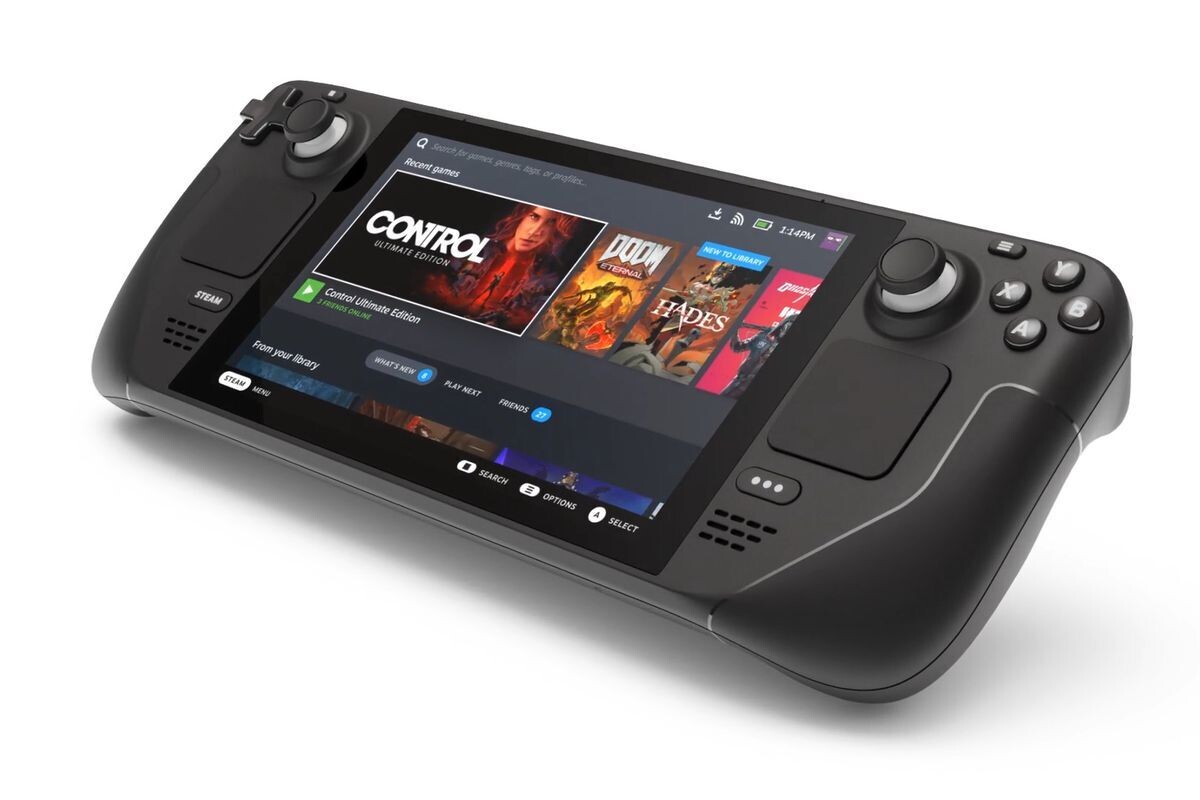
Valve has indicated that a successor to the popular Steam Deck handheld gaming PC is not on the immediate horizon. The company is prioritizing a substantial performance upgrade, aiming for at least a 50% increase, before launching a new model. This strategic approach ensures that future Steam Decks will offer a significant leap in gaming capabilities without compromising power efficiency or battery life.
Key Takeaways
- Steam Deck 2 will not be released for at least a couple of years.
- Valve requires a minimum 50% performance uplift before developing a new model.
- The company is focused on maintaining a fixed performance target for developers and a simple message for consumers: all Steam Decks can play the same games.
- Future iterations will also consider power efficiency and battery life improvements.
Valve’s Performance Benchmark
Valve’s Pierre-Loup Griffais confirmed that the company is not rushing the development of the Steam Deck’s successor. A key factor for releasing a new generation is achieving a significant performance boost. Griffais stated that Valve is looking for at least a 50% increase in performance. This benchmark is crucial for ensuring that the new hardware offers a compelling upgrade for gamers and provides a consistent experience across devices.
Balancing Performance and Efficiency
Beyond raw power, Valve is also committed to maintaining and improving the battery life and power efficiency of the Steam Deck. The company wants to avoid a scenario where increased performance comes at the cost of significantly reduced playtime. This focus on a balanced approach means that innovations in architecture and fabrication processes are closely monitored to achieve this goal without major compromises.
Current Focus and Future Outlook
While a Steam Deck 2 is not imminent, Valve continues to refine the current Steam Deck experience. Recent updates, such as SteamOS 3.5, have introduced improvements to color rendering, display settings, and performance enhancements for specific games like Starfield. The company is also exploring features like variable refresh rate and HDR, potentially influenced by competitors in the handheld PC gaming market. However, any new hardware announcement is not expected for at least another couple of years, aligning with the typical longer development cycles for gaming consoles compared to smartphones or laptops.
Via IGN