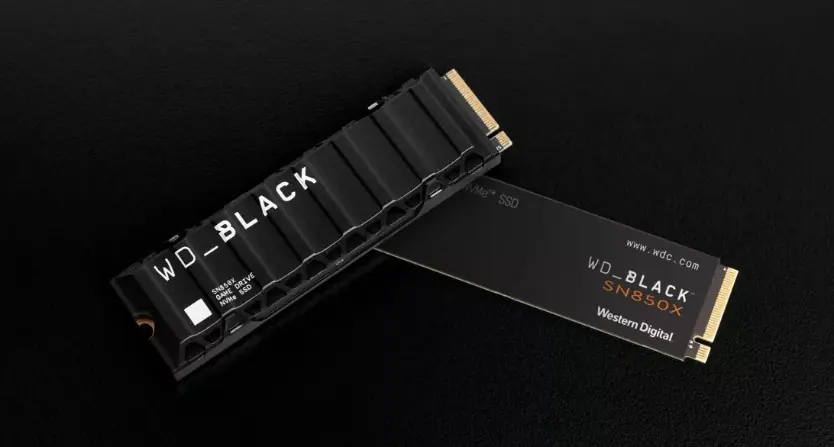
Western Digital (WD), a prominent name in the storage industry, has officially exited the solid-state drive (SSD) market, transferring its NAND flash memory operations to SanDisk. This strategic move allows WD to concentrate solely on hard disk drives (HDDs), marking a significant shift in its business model.
Key Takeaways
- Western Digital has ceased SSD production, handing over operations to SanDisk.
- The company will now focus exclusively on hard disk drives.
- SanDisk will continue to manufacture SSDs under its brand, ensuring no disruption in production.
- This change reflects a broader trend in the storage industry towards specialization.
The Transition Explained
The decision to exit the SSD market comes after a planned separation of Western Digital’s flash memory business, which has been in the works since late 2023. The company has been known for its innovative SSDs, particularly the popular WD Black series, which has been favored by gamers and tech enthusiasts alike.
WD’s CEO, Irving Tan, emphasized the company’s commitment to HDD technology, stating, “Our rich history of HDD innovation has defined us for decades. I’m excited that we can focus even more on developing the best storage solutions for our customers.”
Implications for Consumers
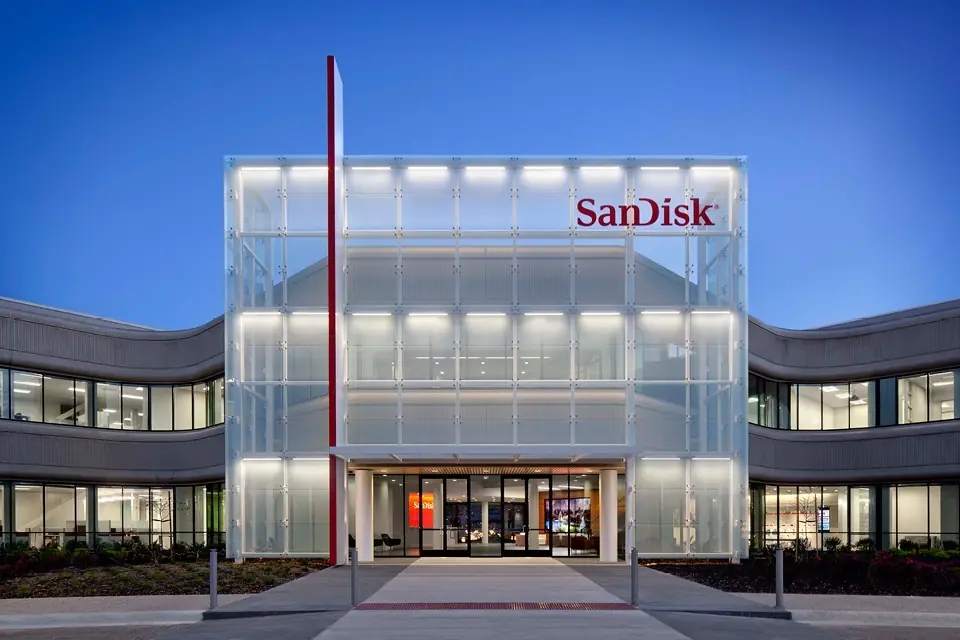
For consumers, this transition means that while the WD brand will no longer be associated with SSDs, SanDisk will take over the production and sales of these products. Here are some implications:
- Branding Changes: Future SSDs will be branded under SanDisk, which may lead to confusion among consumers who associate the WD name with high-performance storage.
- Continued Availability: SanDisk has been managing the SSD operations for some time, so consumers can expect a seamless transition in product availability.
- Focus on HDDs: Western Digital will enhance its focus on HDDs, which are still widely used for large data storage needs, especially in enterprise and cloud environments.
Market Context
The SSD market has seen rapid growth, driven by the increasing demand for faster data access and storage solutions. However, Western Digital’s decision to pivot back to HDDs reflects a strategic choice to capitalize on its strengths in traditional storage technologies. As data generation continues to rise, particularly with advancements in artificial intelligence and cloud computing, HDDs remain a critical component of data infrastructure.
Future Outlook
Looking ahead, Western Digital aims to leverage its expertise in HDD technology to meet the evolving needs of its customers. The company is exploring new growth opportunities that utilize its core capabilities in magnetics and materials science. As the storage landscape continues to evolve, WD’s focus on HDDs may position it well to capture market share in sectors that require reliable and scalable storage solutions.
In conclusion, while the exit from the SSD market marks the end of an era for Western Digital, it also opens new avenues for growth and innovation in the HDD sector. Consumers can expect continued advancements in hard drive technology as the company refines its focus and strategy in the coming years.
Via TechRadar