Whatever you do – spinning the reels, bluffing in poker, or watching a live dealer flip the next card, your gaming relies on your hardware. Even though most players focus on internet speed and device specs, the monitor usually gets overlooked.
Believe it or not, your monitor might be the reason you can’t play your games smoothly, have faster reactions, and better results in competitive casino games. So in this article, we’ll talk about why your display matters, especially when it comes to refresh rates, response time, and input lag.
Refresh Rate – The Key to Uninterrupted Gameplay
First, let’s talk about refresh rate.
Refresh rate tells you how many times per second your monitor updates the image on the screen, and is measured in Hertz (Hz). A standard office monitor usually has a 60Hz refresh rate, which is enough for emails and spreadsheets. For games that rely on quick animations or real-time visual feedback, this is not enough.
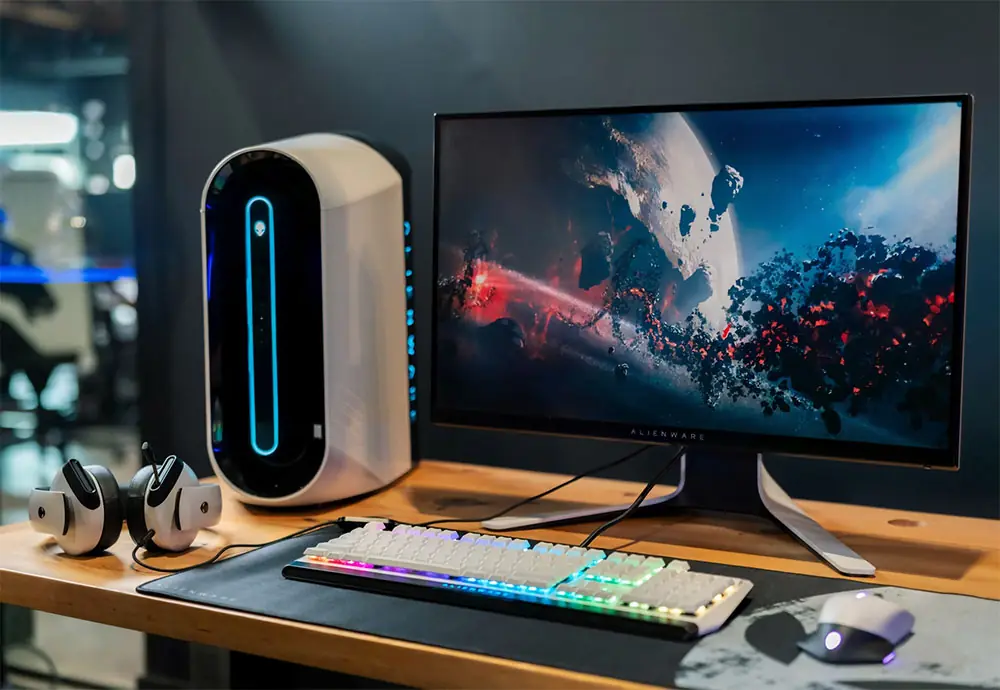
Modern gaming monitors usually offer 120Hz, 144Hz, or even 240Hz options. That means the screen refreshes up to four times faster than a regular monitor. In casino gaming, this can make a big difference for playing a fast-paced roulette game where you’re watching a ball spin in real time, or a live dealer blackjack session. A smoother refresh rate makes everything look more fluid and helps you track movements in real time.
Casino games, especially those with live dealer streams, depend on high-quality video feeds. With the higher refresh rate, feeds feel more realistic and professional, and improve the entire atmosphere of the game. This is especially important in fast-paced rounds, where smooth visuals and quick updates are necessary.
As casino expert Sofia Rebuck points out, smooth gameplay and excellent streaming quality are super important in online casino games. They make the whole experience more enjoyable, but also help players feel confident that they are on a reliable platform. When everything runs smoothly, it boosts confidence and makes the game more exciting, with fewer distractions (Source: https://www.pokerstrategy.com/online-casinos/).
Faster Response Time, Smoother Gameplay
Response time is measured in milliseconds (ms). This is the duration for a pixel to change color. With a lower response time, there is reduced visual glitches and motion blur, like those blurry trails you sometimes see when something moves fast on the screen.
Gaming monitors often boast response times as low as 1ms. A basic monitor can range between 5 to 10ms, which is acceptable for general use, but can be blurred during movement.
Why does it matter for casino gamers? Well, if you’re watching a roulette wheel or the dealer’s hand in a poker game, a slow response time can make quick movements look blurry. It may not sound like a big deal, but when you’re tracking the action or trying to see what just happened, clarity is everything, especially in card games. When you play those games, a quick flash of a card or a subtle dealer movement can give you some valuable cues.
Input Lag – When Every Millisecond Counts
One of the most common metrics for gamers is input lag, which is a delay between your action (like a mouse click or touchpad tap) and the result on screen. This is crucial in fast-response games, especially in casino gaming.
Most casual users won’t notice an extra 30- 40ms delay, but serious gamers can feel it. A monitor with low input lag, which is under 10ms, will feel more responsive and accurate.
Many online casino games involve time-sensitive inputs. Those fractions of a second are important for placing your bet before the countdown ends, hitting “spin” right before a bonus round expires, or interacting with a live dealer on a fast timer. Players with low-lag monitors register their actions faster, and that makes a big difference. For games like live roulette or blackjack, where interaction windows are tight and mistakes are costly, input lag is very important.
The Hidden Costs of Using an Old Monitor
If you’re using a basic office monitor or a display from an old PC setup, you’re probably dealing with a 60Hz refresh rate, 50ms + response time, and high input lag. All of these factors combine to spoil your experience, visually and functionally.
Today’s online casino world is no longer just static slots or slow-paced poker. Many casino platforms now offer real-time multiplayer poker rooms, timed tournament spins and jackpots, HD live dealer games, and interactive betting features. Therefore, these demand more from your setup than most people realise. A better monitor will help you perform better.
In live dealer games, having smooth, sharp visuals lets you stay alert and react naturally to the game flow. In tournaments or time-limited bonus rounds, low lag and high refresh rates can keep you competitive.
What to Look For
If you’re regularly playing casino games, upgrade your monitor if your current screen is over 5 years old. Also, if you notice lag or choppiness in live games, or if your monitor’s specs are lower than 75Hz/5ms, it is recommended to replace it.
If you want to buy a new monitor, opt for the one with at least 120Hz for smooth visuals, 1- 2ms response time for minimal blur, and low-latency models with “gaming mode” or low-lag ratings. Full HD resolution is great, but 1440p or 4K can boost immersion. It is also a great idea to choose the one with IPS panels, which give better colors and viewing angles for live streams.
Small Change, Big Difference
While it might seem like too much to invest in a new monitor just for casino games, the reality is pretty different. Online gaming gets more dynamic, fast-paced, and competitive, so there is a need for responsive and high-quality displays.
Your games will look better, and your monitor with a high refresh rate, low response time, and minimal input lag will help you play better.
So, the next time you miss a last-second bet or feel like the action is always a step ahead of you, take a look at your monitor. It might just be time for an upgrade.