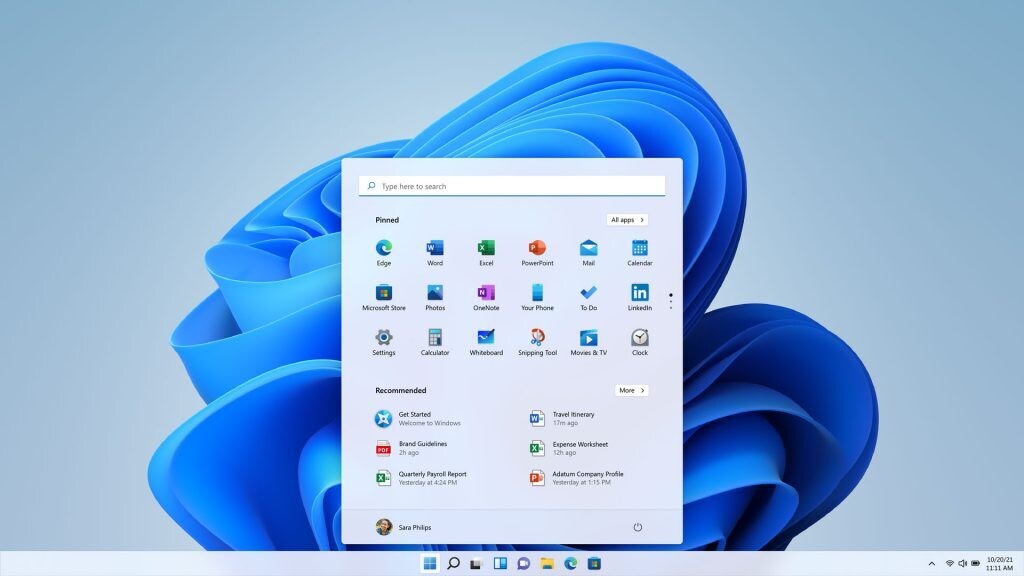
Windows 11 has officially surpassed Windows 10 in overall market share as of July 2025, nearly four years after its release. This significant shift marks a new era for Microsoft’s operating systems, driven largely by the impending end-of-life support for Windows 10 and a push for hardware upgrades.
Windows 11 Ascends: A Market Share Milestone
After a slow start, Windows 11 has finally claimed the top spot in the operating system landscape. StatCounter data for July 2025 indicates that Windows 11 now holds a market share of 51.77% among Windows PCs, while Windows 10 has fallen to 45.02%. This represents a substantial turnaround from a year ago, when Windows 10 commanded 66.04% and Windows 11 lagged at 29.75%.
Key Takeaways
- Windows 11 has surpassed Windows 10 in market share as of July 2025.
- The primary driver for this surge is the approaching end of support for Windows 10 in October 2025.
- Microsoft’s decision to end mainstream support for Windows 10 is forcing users and enterprises to upgrade.
- Hardware upgrades and security concerns are also contributing factors to Windows 11’s increased adoption.

The End of an Era: Windows 10’s Impending Sunset
The most significant factor contributing to Windows 11’s recent surge is the looming end-of-life date for Windows 10. Microsoft is set to discontinue mainstream security support for Windows 10 on October 14, 2025. While extended security updates (ESU) will be available, they come at a cost, pushing many users and organizations to upgrade to Windows 11 for continued free security patches.
This deadline has spurred a wave of migrations, particularly within enterprises, which often plan upgrades in fiscal year cycles. The shift is less about Windows 11’s new features or performance advantages and more about the necessity of maintaining a secure and supported operating environment.
Driving Factors Behind the Shift
Several elements have converged to accelerate Windows 11’s adoption:
- End of Windows 10 Support: The most critical factor, compelling users to move to a supported OS.
- Security Enhancements: Windows 11 offers tighter security defaults and ongoing updates, appealing to those prioritizing system integrity.
- Hardware Upgrades: The need to upgrade to Windows 11 often coincides with new PC purchases, as older hardware may not meet the newer OS’s stringent requirements.
- Enterprise Migration Waves: Businesses are increasingly initiating large-scale upgrades to ensure compliance and security across their device fleets.
With over 700 million devices now running Windows 11, this number is expected to grow further as the October deadline approaches. The coming months will reveal the full extent of this transition and whether Windows 11 can sustain its upward trajectory.