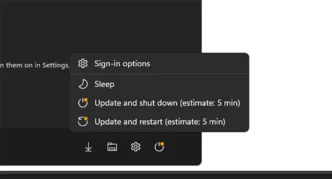
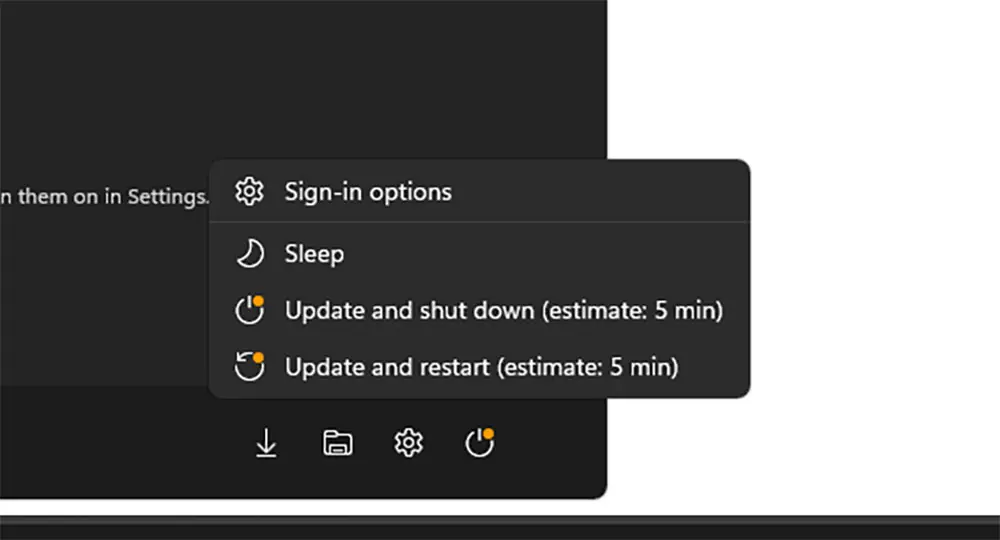
Microsoft has finally addressed a long-standing and frustrating bug in Windows 10 and Windows 11 where the “Update and Shut Down” option would inexplicably restart the PC instead of powering it off. This issue, which has persisted for approximately a decade, has caused considerable inconvenience for users who expected their computers to shut down after applying updates.
Key Takeaways
- A bug causing “Update and Shut Down” to restart PCs has been fixed in Windows 11.
- The issue affected both Windows 10 and Windows 11 for roughly ten years.
- The fix is included in Windows 11 25H2 Build 26200.7019 and newer, with an optional update (KB5067036) also providing the solution.
- Microsoft has acknowledged the bug, which likely stemmed from issues within the Windows Servicing Stack or race conditions.
The Persistent Problem
For years, users selecting “Update and Shut Down” would find their computers booting back up to the login screen, effectively performing an “Update and Restart” instead. This was particularly problematic for laptop users who relied on the feature to conserve battery life overnight or for those who simply wanted their machines powered off after an update. The inconsistency meant users often couldn’t trust the option, leading them to manually shut down their PCs after updates, negating the convenience the feature was intended to provide.
The Fix Arrives
The resolution is now rolling out with Windows 11 25H2 Build 26200.7019 and subsequent versions. Microsoft has confirmed the fix in its release notes, stating it “Addressed underlying issue which can cause ‘Update and shutdown’ to not actually shut down your PC after updating.” An optional update, KB5067036, also contains this fix. While the exact technical cause remains somewhat speculative, it’s believed to be related to a race condition or an issue within the Windows Servicing Stack, where the shutdown command might have been lost during the update and reboot process.
A Step Towards Reliability
This fix marks a significant improvement in the user experience, addressing a bug that had become a running joke among Windows users. It suggests a renewed focus from Microsoft on refining core Windows functionalities and improving overall system reliability. The company’s recent efforts to unify its Windows development teams may also contribute to a more cohesive and stable operating system moving forward.
Via Windows Latest