Battery life is a universal problem that is getting worse. Although smartphones are becoming more powerful, the battery capacity drops radically after it has been used for a few months. Carrying around a power bank everywhere you go or keeping your phone in airplane mode is hardly the solution. When your battery falls below 20% by the afternoon, something is off. Here is why your Android phone’s battery drops so quickly and what to do about it.
1. Why is Battery Life seemingly Getting Worse?
While our smartphones are getting better, the battery life seems to be getting worse. This is due to the smartphone’s evolution: each new generation has more powerful hardware, richer features, and the devices are getting slimmer. Android is the world’s leading operating system; it can be customized and has a wide range of in-store apps. While these upgrades, on the one hand, refine functionality and performance of the phones, on the other hand, they put a lot of strain on the battery.
Smartphones have become strongly integrated into our private and professional lives. We are on work calls, chatting on WhatsApp, scroll social media, and using many different gaming apps for our entertainment. Our phones are in constant demand and therefore need to be looked after.
2. Use the Android Apps for Your Android Phone
While most phones can handle apps from a different operating system, using the same brand where possible comes with many benefits. Most entertainment apps, for example, have been designed to function perfectly on all operating systems, iOS and Android, but if you have the choice, go for the Android version if you have an Android phone. Using the right app for the operating system means better navigation, optimization, customization, and battery efficiency.
Especially for performance-heavy applications like mobile games, this becomes more important. Casino games, for example, feature high-quality animations, interactive interfaces, and real-time processing. While a necessity when gaming, these features can quickly drain your battery and can slow down the app’s performance. To ensure a seamless and responsive gaming experience, choose casino apps depending on your operating system: iOS casinos for an iPhone, and Android casinos for an Android phone. According to Nikita Jones, some of the best casinos for Android come with exclusive mobile bonuses and extensive game selections.
3. Close Tabs and Apps You Don’t Use
Internet tabs and apps draw power even when not being used. If they are not being closed, they keep running in the background and slowly drain the phone’s battery. GPS and navigation apps draw a lot of power while being used, but they will also keep doing so in the background since they constantly track and recalculate when the phone is changing location. If you are not actively using the apps, get into the habit of closing them, and you will notice a difference in how long your battery lasts.
For optimized functionality, many apps have background refresh as a default setting. While updating data in the background is technically a good thing, as you don’t have to wait for an update when you want to use the app, it’s not the best for keeping the battery alive as long as possible. To disable background refresh, go to your phone’s settings > apps > click on the app, and you will find a button to limit or disable background activity.
4. Charge Your Phone Correctly
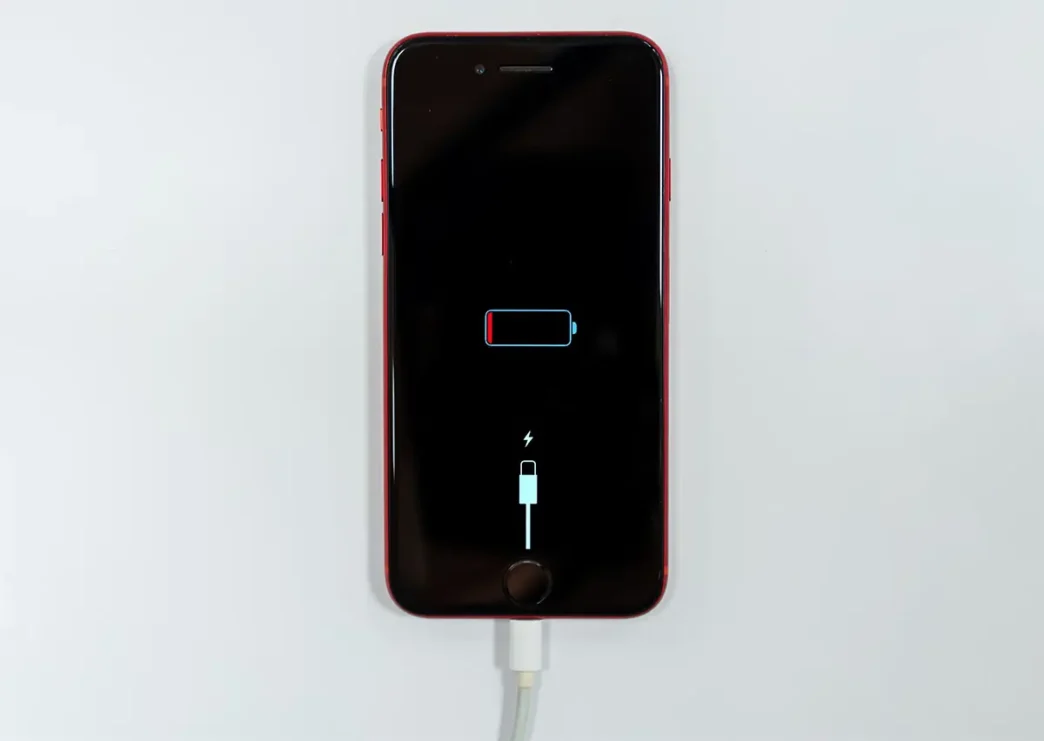
One aspect that often gets ignored is that charging the phone incorrectly can severely damage the battery. This includes charging the phone in extreme temperatures, using the phone while charging it, charging it too often, using an incompatible charger, and overcharging it.
- Charging a phone in temperatures above 35–40 °C / 95–104 °F can lead to a chemical reaction in the battery, which can cause it to swell up. In severe cases, it can even cause the battery to catch fire or even explode. Cold temperatures below 0 °C / 32 °F cause a different chemical reaction, which leads to a lower voltage output and therefore drains the battery faster.
- Using the phone while on charge means doing two opposite things at the same time: charging and discharging. This can lead to battery damage and shorten its lifespan.
- The anxiety of your phone dying on you is real, but with charging it too often you attract what you fear. The battery has a limited lifespan, and every charging cycle can be seen as adding a whole year to its age. This means: charging your phone three times a day ages it much faster than charging it only one time a day.
- While using a no-brand charger for your Android phone isn’t necessarily bad for it, but it’s safer to use the charger that came with the phone. A charger with a low voltage might just take longer for your phone to recharge, but using a charger that supplies a higher voltage than your phone can handle can severely damage the battery.
- A very common habit is to charge your phone overnight. However, what most people don’t know is that you can “overcharge” your phone. Most Android phones work on a lithium battery, and unlike other types, it doesn’t need to be fully drained before recharging it. In fact, don’t discharge it fully; charging the battery in small amounts is better for its lifespan. Fully draining the battery is only advised every 30 charging cycles.
5. Adjust Screen Brightness and Auto-lock
Using a phone means the screen is turned on. While this makes sense, it’s so obvious that we are easily unaware of it. Nevertheless, screen brightness, as it’s always turned on, is one of the main culprits of draining a phone battery. Using a dark theme isn’t only easier on the eyes, it also prolongs the inevitable. AMOLED or OLED displays turn black pixels off to save energy. Since most phones use one or the other, it’s safe to say that switching any phone to dark mode saves battery.
Another action one can take to improve battery life that doesn’t take much effort is simply turning the screen off when the phone isn’t being used. In the phone’s settings, you can adjust the time for when your phone goes into auto-lock, which means it turns the screen off. Set the timeout to 20 seconds or even less, and you will notice that you save a lot of energy.
Conclusion
We live in a world where most tools and technologies are available for us to use without having to build them ourselves or understand them. While this is very convenient, it also contributes to misuse because of ignorance. In today’s world, we rely on our phones daily, and knowing how to treat our devices correctly helps keep them alive for as long as possible.