Digital transformation reshapes the manufacturing industry, driving efficiency, precision, and performance improvements. One of the standout innovations is AI-driven quality control systems, which enhance product accuracy by automating defect detection. These advancements reduce human error and optimize production processes, saving time and resources. In this article, we’ll explore the key benefits of digital transformation and how it’s revolutionizing the manufacturing sector.
Improved Efficiency and Productivity
Digital transformation in manufacturing significantly boosts efficiency and productivity. Manufacturers can streamline their operations and optimize their processes by leveraging advanced technologies.
Automation of Repetitive Tasks
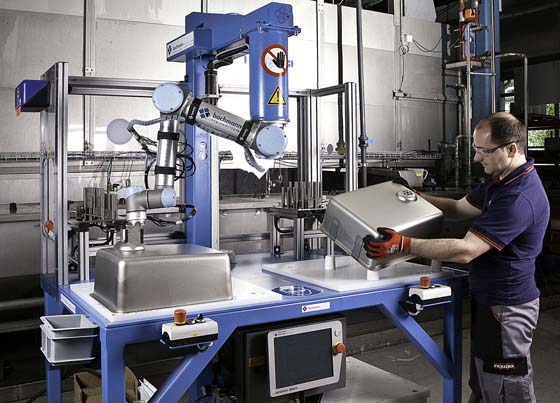
One key advantage is the automation of repetitive tasks. Smart factories utilize robotics and artificial intelligence to handle mundane, time-consuming activities. This speeds up production and reduces human error, leading to higher-quality output and less waste.
Real-time Data Analysis
Digital tools enable real-time data analysis, allowing manufacturers to make informed decisions quickly. By monitoring production metrics, equipment performance, and supply chain dynamics, companies can identify bottlenecks and inefficiencies instantly. This agility in decision-making translates to improved overall productivity.
Predictive Maintenance
Another crucial benefit is predictive maintenance. IoT sensors and machine learning algorithms can predict when equipment will likely fail, enabling proactive maintenance. This approach minimizes unexpected downtime, extends machinery lifespan, and optimizes maintenance schedules, enhancing operational efficiency.
Enhanced Quality Control and Compliance
Digital transformation in manufacturing brings about a revolutionary shift in AI quality control and compliance processes. Manufacturers can significantly improve product quality by leveraging advanced technologies while ensuring adherence to industry standards and regulations.
Real-time Monitoring and Analysis
Manufacturers can monitor production processes with IoT sensors and AI-powered analytics. This constant surveillance allows for immediate detection of deviations from quality standards, enabling swift corrective actions. By analyzing vast amounts of data, AI algorithms can predict potential quality issues before they occur, drastically reducing defects and waste.
Automated Inspection Systems
Computer vision and machine learning technologies have paved the way for automated inspection systems. These systems can perform highly accurate quality checks at speeds far surpassing human capabilities. By eliminating human error and fatigue, manufacturers can achieve unprecedented levels of consistency.
Enhanced Traceability and Compliance
Digital transformation facilitates end-to-end traceability throughout the manufacturing process. Every step, from raw material sourcing to final product delivery, can be meticulously tracked and recorded. This comprehensive documentation not only aids in quality assurance but also simplifies compliance with industry regulations and standards. In the event of a recall or audit, manufacturers can quickly access and provide detailed records, demonstrating their commitment to quality and regulatory compliance.
Increased Innovation Capabilities
Digital transformation in manufacturing unlocks unprecedented potential for innovation, propelling businesses into a new era of creativity and efficiency. By leveraging cutting-edge technologies, manufacturers can reimagine their processes and products in unimaginable ways.
Rapid Prototyping and Iteration
With advanced digital tools, manufacturers can quickly develop and test new ideas. 3D printing and virtual simulations allow for faster prototyping, reducing the time and cost associated with traditional methods. This accelerated cycle of ideation and testing fosters a culture of continuous improvement and innovation.
Data-Driven Product Development
The wealth of data generated by smart manufacturing systems provides invaluable insights for product development. By analyzing customer usage patterns, performance metrics, and market trends, companies can identify opportunities for innovation and tailor their offerings to more effectively meet evolving consumer needs.
Better Customer Experiences and Supply Chain Integration
Manufacturers must prioritize customer satisfaction and seamless supply chain operations in today’s digital-first world. Digital transformation offers powerful tools to achieve both these goals simultaneously.
Enhanced Customer Interactions
Leveraging digital technologies can create more personalized and responsive customer experiences. Real-time data analytics allow you to anticipate customer needs, while AI-powered chatbots provide instant support. These innovations lead to higher customer satisfaction and loyalty.
Data-Driven Decision Making
Integrating advanced analytics and machine learning algorithms empowers you to make more informed decisions. You can optimize production schedules, predict maintenance needs, and identify new market opportunities by analyzing vast amounts of data from various touchpoints.
Collaborative Ecosystems
Digital platforms facilitate seamless collaboration between manufacturers, suppliers, and customers. Cloud-based solutions enable real-time information sharing, fostering innovation and agility. This interconnected ecosystem allows for faster product development cycles and more efficient problem-solving.
Final Thoughts
As you embrace digital transformation in your manufacturing operations, you position your company for success in an increasingly competitive landscape. By leveraging technologies like IoT, AI-driven quality control systems, and data analytics, you can optimize processes, reduce costs, and drive innovation. By staying committed to this evolution, you ensure your manufacturing business remains agile, resilient, and primed for future growth.