Physical security remains a critical part of protecting your business. While digital threats often grab headlines, physical risks can cause just as much disruption to operations.
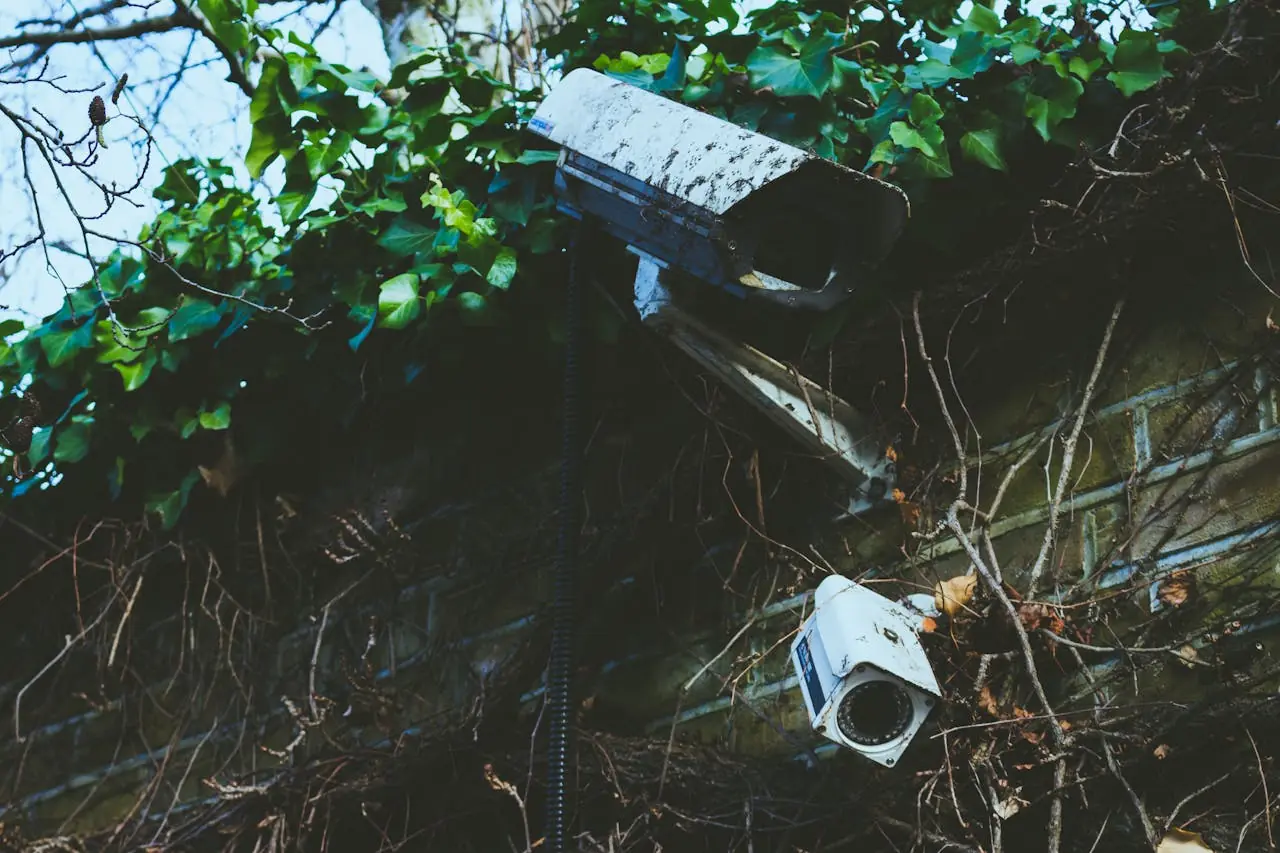
Theft, unauthorised access, workplace violence, and vandalism are real-world risks that deserve attention.
Good physical security protects people, property, and information. It also supports compliance with regulations and builds trust with employees, customers, and partners.
This article covers the essential principles of physical security for businesses and enterprise environments. It also explores how technology can strengthen your protection strategies.
Why Physical Security Still Matters
Despite the shift toward digital services and remote work, businesses still rely on physical infrastructure. Offices, data centres, and warehouses need protection from harm.
Physical security breaches can lead to data loss; if someone accesses servers or devices without permission, they can disrupt operations by damaging critical equipment or infrastructure. In some cases, incidents can put staff in danger and harm your reputation.
Regulations like data privacy laws often require businesses to secure both digital and physical spaces where sensitive information is stored or processed. Failing to do so can result in fines or other penalties.
Building Layers of Protection
Effective physical security works in layers, starting from the outside and moving in. Relying on just one control, like logs or cameras, creates gaps that bad actors can exploit.
The first layer is perimeter security. This includes fencing, gates, lighting, and surveillance cameras covering parking areas and entrances. The goal is to make it harder for unauthorised people to approach the building without being noticed.
Access control is the next layer. Modern access systems go far beyond keys and locks. Businesses use mobile credentials or biometric scanners to manage access to specific areas inside.
Systems like the Genetec access control system offer centralised control, real-time monitoring, and integration with other security tools. Inside the building, you need controls to restrict access to sensitive spaces such as server rooms, finance departments, or executive offices.
Having a visitor management process helps track comings and goings, ensuring you know who is on your premises at all times.
Another layer is real-time monitoring with alarms and videos. These tools detect unusual behaviour, break-ins, or other incidents.
When combined with trained staff and clear response procedures, they help businesses limit damage. Emergency preparedness rounds out your security plan.
Evacuation routes, emergency call systems, and regular drills ensure everyone knows how to respond in a crisis, whether it’s a fire, accident, or security incident.
How Technology Is Changing Physical Security
Technology has reshaped our business’s approach to physical security. Today, cloud-based systems, artificial intelligence, and mobile credentials give organisations more control and flexibility.
They allow businesses to manage missions across multiple sites from a single dashboard. You can make changes in real time, see who’s accessing which areas, and respond faster to security events.
Video surveillance systems are so advanced that they can recognise faces or detect unusual activity automatically. These tools help businesses earlier and reduce the workload on security teams.
Many companies are replacing key cards with mobile credentials, allowing employees to enter buildings using smartphones. This reduces the risk of lost or stolen cards.
Physical security is becoming more connected.
For example, a physical breach in a server can trigger alerts in your IT security systems. This kind of integration strengthens both sides of your security plan.
Practical Steps to Improve Physical Security
Improving physical security starts with assessing your current risks. Identify valuable assets, sensitive areas, and possible threats specific to your location and operations.
Next, review the controls you already have in place. Check for gaps where systems might be outdated or easy to bypass.
From there, layer your defences by combining perimeter security, access control, internal restrictions, and monitoring. Using modern technology that makes sense can simplify management and improve results.
But technology is only part of the solution.
Staff need training on security protocols, how to handle visitors, and what to do in emergencies.
Test your systems and procedures regularly; run drills, review footage, and adjust your security plan as your business grows or as new threats emerge.
When to Work with Security Partners
For larger or more complex sites, working with professional security providers makes sense. These experts can help design systems, install and manage equipment, and provide 24/7 monitoring services.
Look for partners with experience in your industry and clear agreements on response times and system maintenance. This ensures you know what to expect and that your systems stay reliable over time.
Common Physical Security Mistakes to Avoid
Many businesses believe they have physical security under control, but common oversights can create weak points that put assets and people at risk.
One frequent mistake is relying on outdated systems. Locked cameras or alarms installed years ago may no longer meet current threats or technology standards.
Over time, these systems can become easy targets for anyone with basic knowledge of security weaknesses.
Another issue is inconsistent access control. For example, businesses might assign access cards but fail to revoke them when employees leave. This can leave buildings vulnerable to unauthorised access from former staff or contractors.
Neglecting visitor management is also a gap; letting visitors enter without signing in or being escorted can expose sensitive areas to prying eyes or theft. Businesses sometimes focus all their attention on the building exterior and overlook internal threats.
Employees, vendors, or cleaning staff can also misuse access if internal controls are weak or non-existent. Failing to train staff is another risk; security technology only works when people understand how to use it and how to respond to incidents.
Without clear procedures, even the best systems can fall short during a crisis.
Some companies set up security systems and forget about them. Regular maintenance, testing, and updates are critical to ensuring your systems work when you need them the most.
By being aware of these common mistakes, businesses can take simple, practical steps to tighten their security and avoid mistakes and risks happening.
Closing Thoughts
Physical security remains a core responsibility for any business. It protects not just your assets but also your people and reputation.
Technology has made it easier to manage and monitor physical security, but the fundamentals remain the same: lay your defences, train your staff, and stay alert to emerging risks.
The best time to review your security plan is before an incident happens.
Are your current measures still enough to protect your business today?