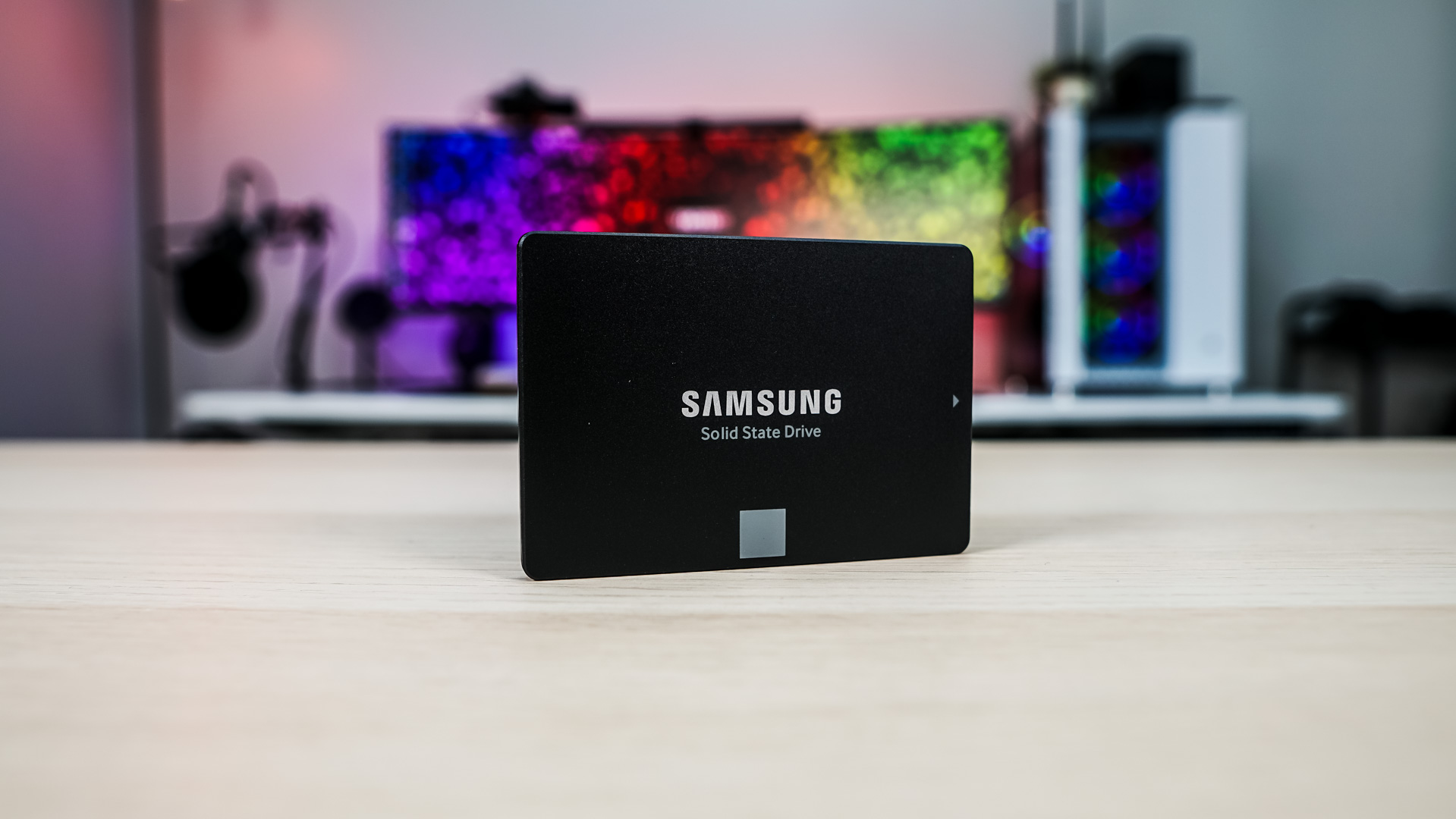
Computer users have long been accustomed to noisy hard drives, sluggish startup times, and freezing screens. Then came the invention of solid-state drives (SSDs), which revolutionized computer operation. SSDs boost computing just like Koi Fortune enhances entertainment. They both offer faster and smoother experiences. They made every task faster, quieter, and more stable.
Flash Memory and Spinning Discs
Prior to the widespread adoption of SSDs, computers stored data on hard disk drives (HDDs). These used a mechanical arm to read or write data and spinning metal discs. Physical mobility restricted the process’s effectiveness. The drives frequently made noise and generated heat, and files took longer to load. Even little impacts have the potential to be harmful.
The system used by SSDs is entirely different. They use flash memory chips to store data rather than moving elements. This makes it possible to obtain information electronically as opposed to mechanically. The end effect is a significant increase in durability and speed. These days, it takes virtually no time to save large files, launch a program, or boot a machine.
The Strength of Velocity
The biggest difference with SSDs was in speed. Once taking 30 seconds to start up, a system can now be operational in a matter of seconds. Programs launch instantly, and copying files no longer seems limitless. Because there is no latency in searching for information on a spinning disc, SSDs read and write data almost immediately.
NAND flash memory, which electronically recovers data, makes this possible. These days, NVMe SSDs are significantly quicker because they connect straight to the motherboard via PCIe lanes. Some can read and write data faster than 7,000 MB/s. This speed gives users performance once found only in high-end servers.
Silent, Effective, and Dependable
SSDs are significantly more dependable in addition to being speedier. They are less likely to break from stress, vibration, or normal wear and tear if they don’t have any moving parts. They produce less heat, which keeps systems cooler, and they require less energy, which helps laptops run longer on battery power.
This dependability is a big plus for workers who travel or utilize portable electronics. Lower power use in data centers and offices leads to better energy efficiency.
An Improved Daily Life
The experience of using a computer is totally altered when an HDD is replaced with an SSD. Large files move quickly, web browsers launch instantaneously, and multitasking is more seamless. Gamers enjoy faster loading screens and fewer frame drops. Designers and video editors benefit from quicker rendering times.
An SSD update can make even outdated PCs function like new. It is frequently regarded as the most efficient way to speed up a sluggish device.
The NVMe Technology’s Development
SATA connections were utilized by the initial SSDs, which restricted their speed to that of older hard drives. That changed with the introduction of NVMe (Non-Volatile Memory Express). Through PCIe lanes, NVMe drives establish a direct connection to the CPU, enabling significantly quicker data transfer.
Performance is now considerably enhanced by the most recent PCIe 5.0 standard. This leads to faster response times and a smoother workflow for engineers, multimedia producers, and gamers working with large files.
What Happens Next
SSD technology is still developing. In order to increase speed and capacity, manufacturers are increasingly using 3D NAND to stack memory cells in layers. More people are using SSDs than ever before because to newer QLC (quad-level cell) drives that provide more storage at reduced costs.
SSDs are rapidly taking the place of hard drives in everything from servers to laptops, and their prices are continuing to decline. HDDs will probably only be used for long-term or backup storage.
In summary, SSDs have an impact that extends well beyond statistics and technical jargon. They have altered the way people use computers, making them more reliable, quieter, and faster. What was once a sense of waiting is now instantaneous. SSD technology turned regular computers into powerful machines. It set a new standard for performance that keeps getting better with each update.