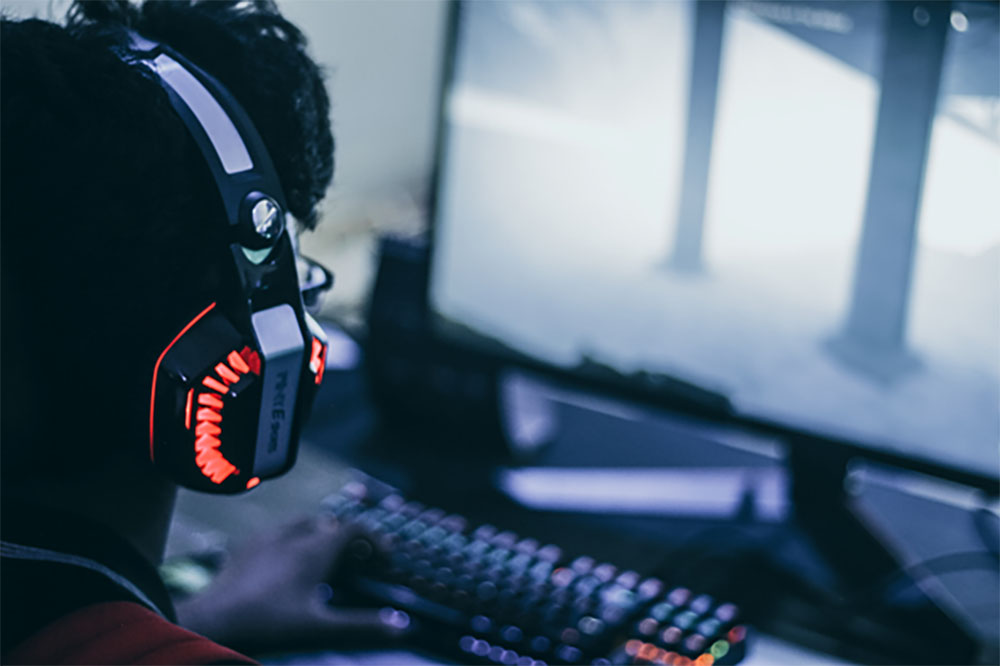
Gaming has become a ubiquitous form of entertainment, captivating millions of players worldwide. From immersive storylines to competitive multiplayer experiences, video games offer an escape and a sense of achievement. However, the rise of gaming addiction has raised concerns about the impact it can have on individuals’ lives. Understanding the reasons behind excessive gaming, recognising the signs of addiction, and implementing strategies to limit usage are essential for maintaining a healthy balance.
Understanding Gaming Addiction
Gaming addiction is characterised by compulsive gaming behaviour that interferes with daily life. Individuals may find themselves prioritising gaming over responsibilities, relationships, and even personal well-being. According to research in Computers in Human Behavior, approximately 8.5% of gamers meet the criteria for gaming disorder, with this figure rising since 2009, highlighting the prevalence of this issue.
The reasons behind excessive gaming can vary widely. For some, gaming provides an escape from reality, allowing them to immerse themselves in fantastical worlds where they can forget their problems. Others may seek social connection through online multiplayer games, where they can interact with friends and strangers alike. While gaming can offer benefits, such as improved cognitive skills and stress relief, it is crucial to recognise when it becomes problematic.
The Pros of Gaming
Before delving into strategies for limiting gaming usage, it’s important to acknowledge the positive aspects of gaming. Many studies suggest that gaming can enhance various skills, including:
Cognitive Abilities: Action games, in particular, are known to improve reaction times, spatial awareness, and problem-solving skills.
Social Interaction: Online gaming provides a platform for players to connect and collaborate, fostering friendships and teamwork.
Stress Relief: For many, gaming serves as a healthy outlet for stress and anxiety, allowing players to unwind after a long day.
While these benefits are noteworthy, they can quickly turn into drawbacks if gaming becomes excessive. Finding a balance between enjoying video games and managing life responsibilities is crucial for overall well-being.
Recognising the Signs of Addiction
Identifying gaming addiction is the first step towards addressing the issue. Common signs include:
Neglecting Responsibilities: Prioritising gaming over work, school, or personal relationships.
Withdrawal Symptoms: Feeling anxious, irritable, or depressed when not playing.
Compulsive Behaviour: Spending increasing amounts of time gaming, often at the expense of other activities.
Escalation: Needing to play more frequently or for longer periods to achieve the same satisfaction.
If you recognise these signs in yourself or someone you know, it may be time to take action.
Strategies to Limit Gaming Usage
1. Set Clear Boundaries
Establishing specific gaming hours can help create a healthier relationship with video games. Consider designating certain days or times for gaming, ensuring that it doesn’t interfere with other commitments. By setting boundaries, you can enjoy gaming without it taking over your life.
2. Monitor Your Time
Utilising apps or built-in device features to track gaming time can provide valuable insights into your habits. Many gaming consoles and PCs offer parental controls or usage tracking features that can help you stay aware of how much time you spend gaming. This awareness can motivate you to cut back if necessary.
3. Engage in Alternative Activities
Rediscovering offline hobbies or activities can provide a fulfilling alternative to gaming. Whether it’s reading, exercising, or pursuing creative projects, engaging in diverse activities can help reduce the urge to game excessively. Finding new interests can also lead to personal growth and new social connections.
4. Seek Professional Help
If gaming addiction significantly impacts your life, seeking professional support can be beneficial. An addiction detox programme can provide a structured environment to help individuals break free from compulsive gaming behaviour. These programmes often include therapy, support groups, and coping strategies tailored to individual needs. By addressing the underlying causes of addiction, participants can develop healthier habits and regain control over their lives.
Building a Supportive Environment
Creating a supportive environment is essential for limiting gaming usage. Encourage friends and family to join you in setting boundaries around gaming. Engaging in group activities that don’t involve screens can foster stronger connections and create shared experiences that are more fulfilling than digital interactions.
Limiting gaming usage is vital for maintaining a balanced and fulfilling life. While gaming can offer numerous benefits, it’s essential to recognise when it becomes excessive and detrimental. By understanding the signs of gaming addiction, setting clear boundaries, and engaging in alternative activities, individuals can reclaim their time and focus. If the addiction feels overwhelming, don’t hesitate to seek professional help. Remember, it’s possible to enjoy gaming while leading a balanced life—embrace the journey towards moderation and well-being.