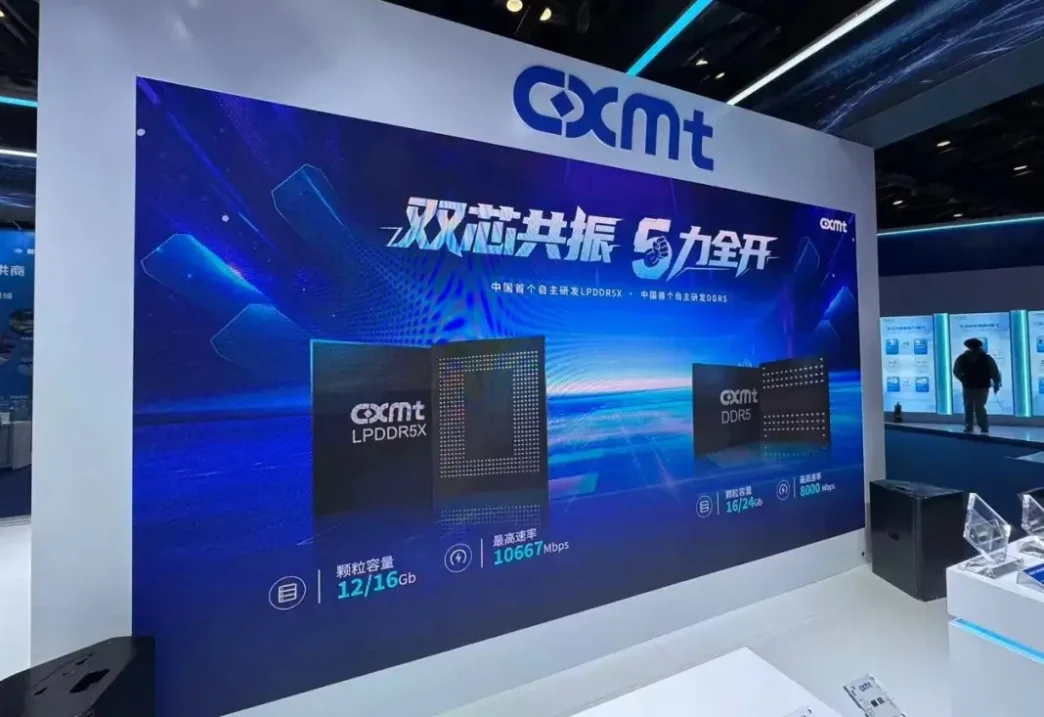
Apple is currently lobbying the U.S. government for special approval to procure memory chips from ChangXin Memory Technologies (CXMT). Facing historic surges in component costs and global supply chain constraints, the tech giant is seeking an exemption to bypass standard regulatory concerns associated with the blacklisted Chinese manufacturer to stabilize its production expenses.
Key takeaways
- Apple is requesting formal clearance from the Trump administration to purchase DRAM from CXMT, a company currently on the Pentagon’s 1260H military-linked list.
- The request follows widespread price increases for Mac, iPad, and Vision Pro devices as memory costs hit unprecedented levels.
- Industry analysts estimate that memory-related components for the upcoming iPhone 18 Pro will constitute approximately 27% of its total bill of materials.
- Lawmakers have expressed significant opposition, citing national security concerns and the dangers of deepening dependence on Chinese supply chains.
The financial strain behind the move
Apple’s decision to approach the White House is driven by an unprecedented “memory crunch” that has seen costs for essential components skyrocket. Company leaders, including Tim Cook, have remarked that the surge in memory chip prices is the most severe seen in over four decades. While previous generations of hardware maintained relatively stable memory costs—hovering around $39 per unit—current estimates for the latest Pro-tier models suggest costs have ballooned to nearly $200.
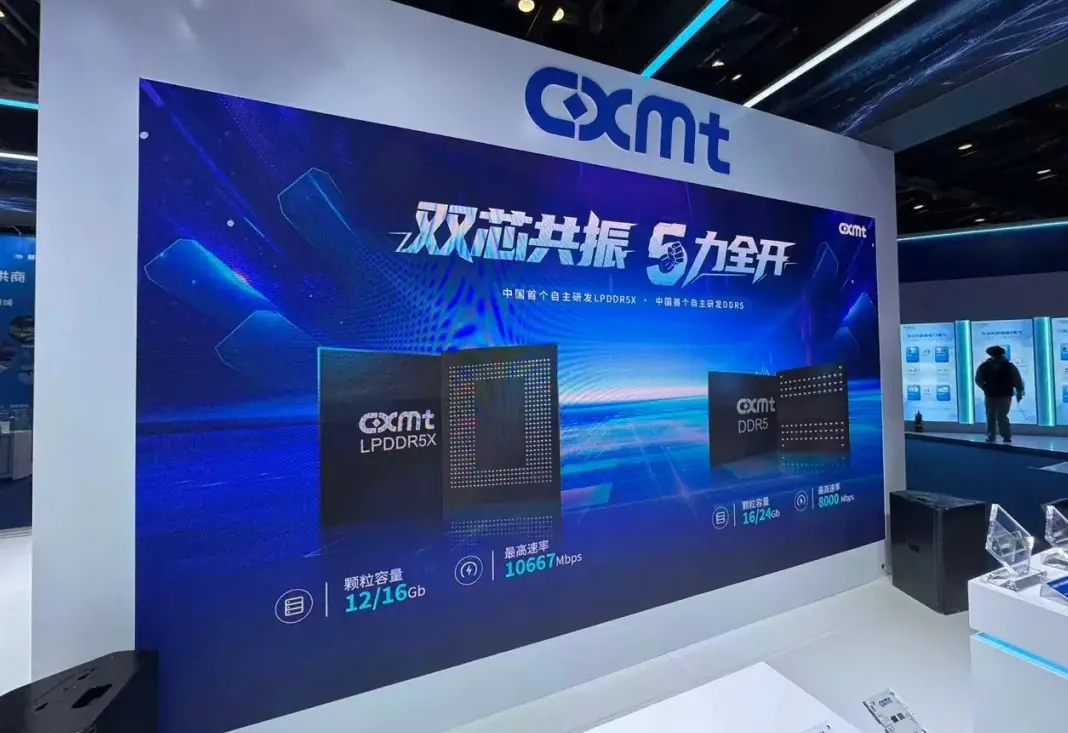
Because the global DRAM market is dominated by a small coalition consisting of Samsung, SK Hynix, and Micron, Apple has found itself at the mercy of their capacity limits. By potentially introducing CXMT into its supply chain, Apple aims to secure a more affordable alternative while gaining leverage in contract negotiations with its existing suppliers.
Growing opposition in Washington
Engaging with CXMT carries significant political and reputational weight. Although the company is not currently subject to a total trade ban, its status on the Pentagon’s list serves as a formal red flag regarding its connections to the Chinese military.
Critics in Washington, including Republican Representative John Moolenaar, have warned that even a limited partnership would be a major strategic error. The concern is that helping a Chinese military-linked firm scale its operations could undermine domestic technological competitiveness. As Apple prepares for a leadership transition with John Ternus set to take over as head of operations, the company’s ability to secure this supply chain flexibility remains a critical, and highly controversial, test of its diplomatic influence within the current administration.
Via FT