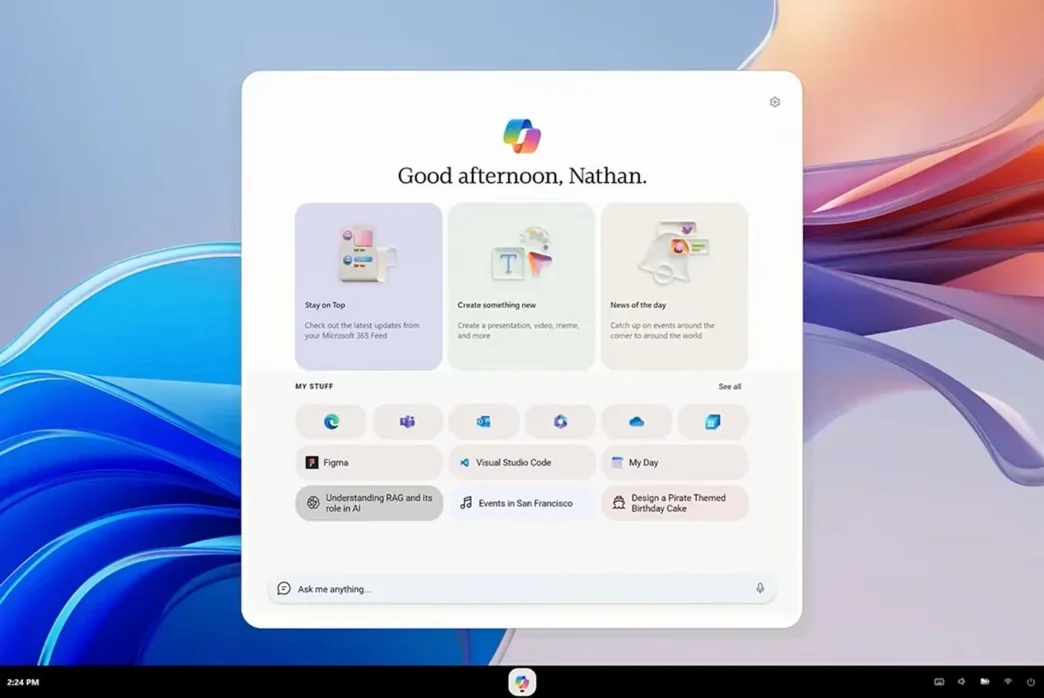
A recently surfaced video has provided a rare, behind-the-scenes look at Project Aion, an experimental Microsoft operating system prototype dating back to 2024. The project showcased a radical departure from traditional Windows design, featuring a lightweight, web-based architecture that places Microsoft Copilot at the absolute core of the user experience.
Key takeaways
- Project Aion completely replaced standard desktop elements with a Copilot-integrated shell.
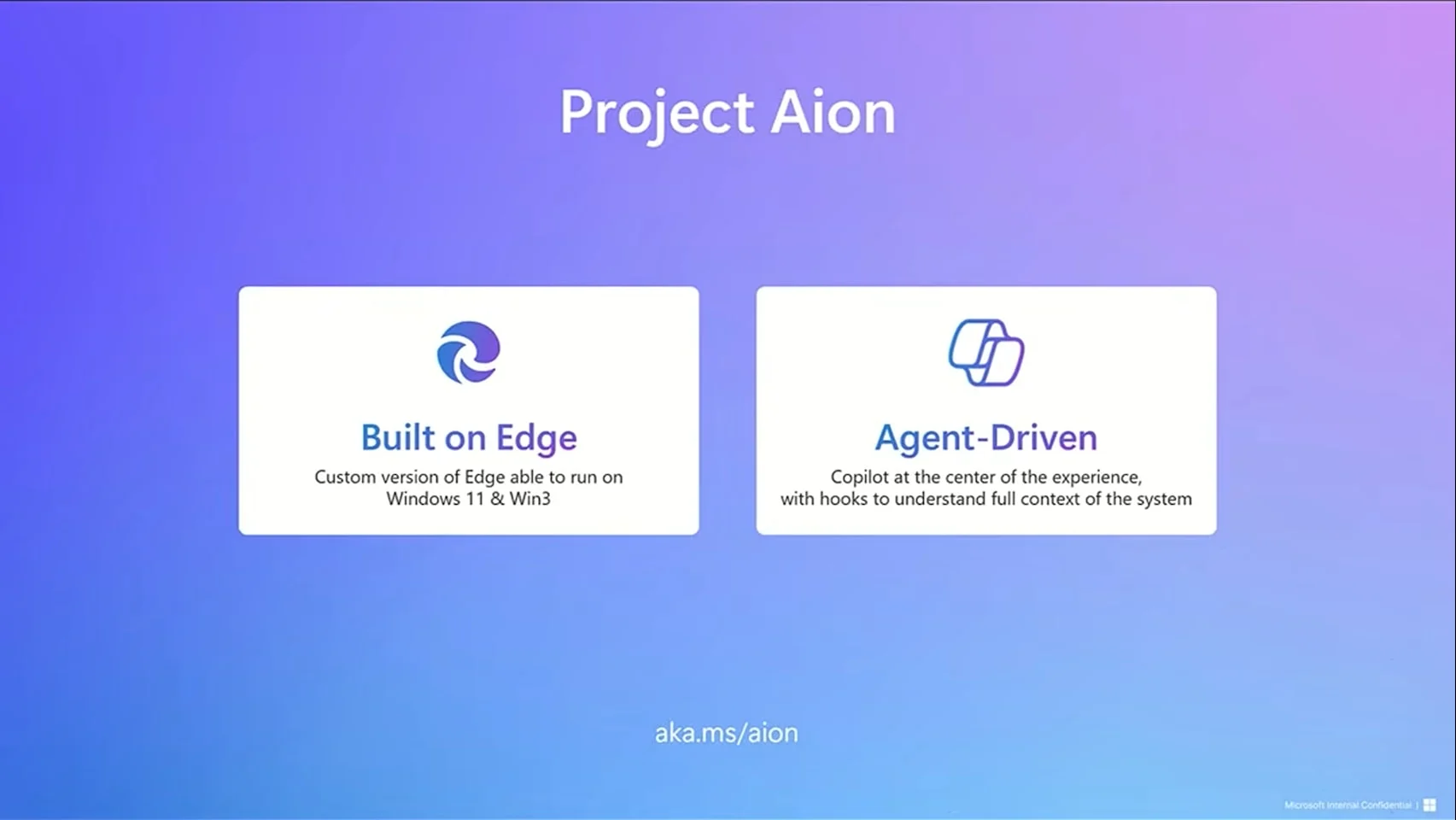
- The OS was built on a stripped-down codebase, dubbed Win3, favoring web applications over native Win32 software.
- A new concept called “Spaces” enabled the AI to intelligently group web apps and sites for specific tasks.
- Traditional Windows applications were relegated to remote streaming via Windows 365 Cloud PC instances.
The architecture of a cloud-first system
At the heart of Project Aion was the “Win3” codebase, a lightweight foundation designed to prioritize performance and security by stripping away legacy support. Because the OS relied heavily on web technologies and the Chromium-based Edge browser, it lacked native Win32 application support. Instead, users requiring full desktop software were intended to leverage Windows 365, turning the OS into an interface for cloud-hosted environments. This approach highlighted a significant shift toward a terminal-like experience where the cloud does the heavy lifting.
Redefining the desktop experience
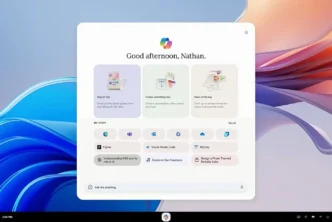
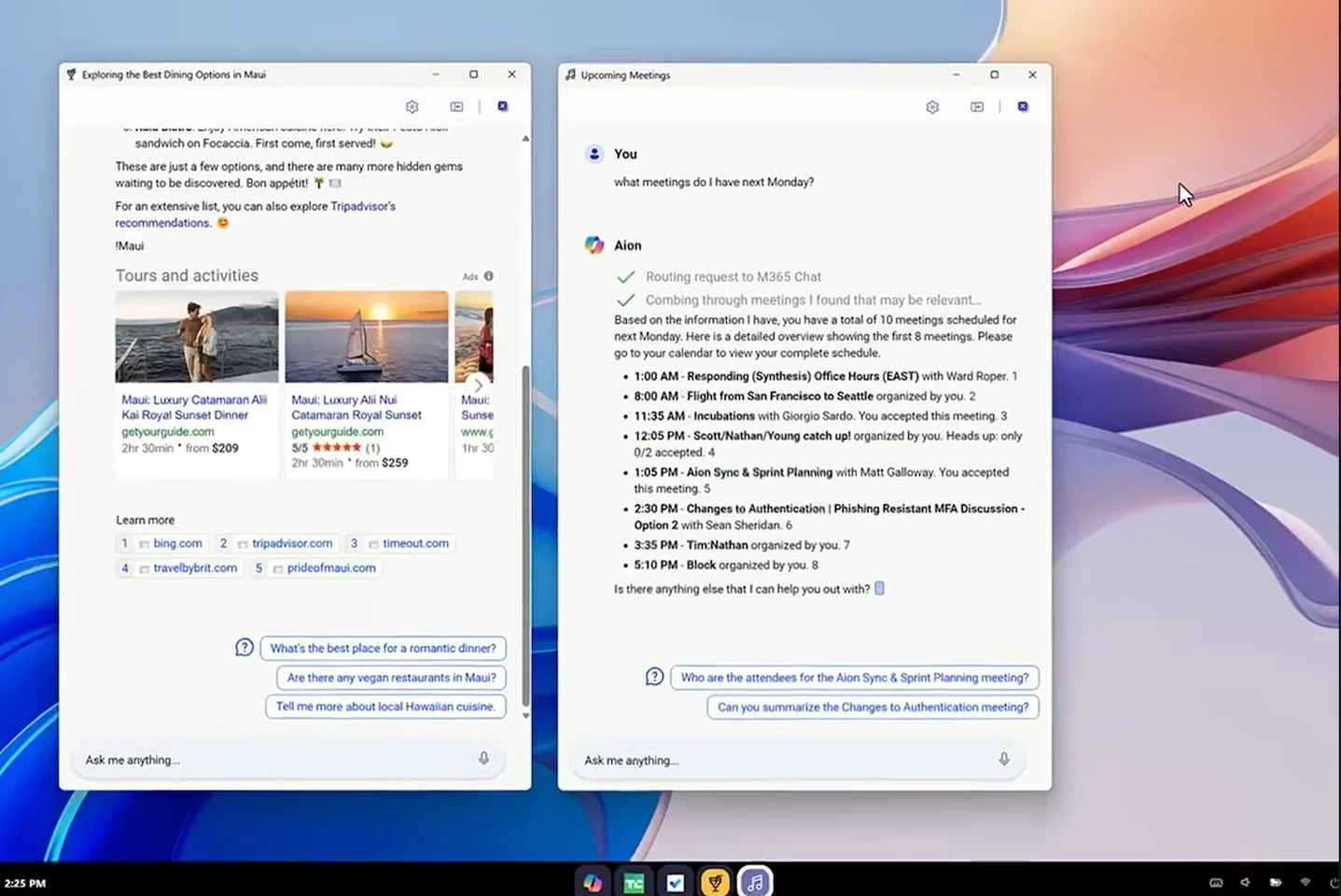
Instead of a traditional Start menu and taskbar, Project Aion utilized a multi-modal input box centered on the user’s workflow. This interaction model allowed users to type natural language queries to launch apps, manage files, or browse the internet. A notable innovation in this prototype was the “Spaces” feature, which allowed users to bundle related applications and websites into persistent work areas. These Spaces could then be managed or recalled, with the AI handling the underlying organization of these virtual work environments to streamline productivity.
The path forward and user sentiment
While the leaked video generated significant public interest, it is currently unclear whether Project Aion was a serious product candidate or merely an internal hackathon project designed to push the boundaries of AI integration. The prototype faced immediate skepticism from observers, particularly regarding the loss of local software compatibility and concerns over constant cloud dependency. While Microsoft has since tempered its approach to integrating Copilot into Windows, the concepts explored in Aion—such as agentic UI and task-based organization—remain highly relevant as the company continues to refine its AI strategy across its product ecosystem.
Via Windows Central