



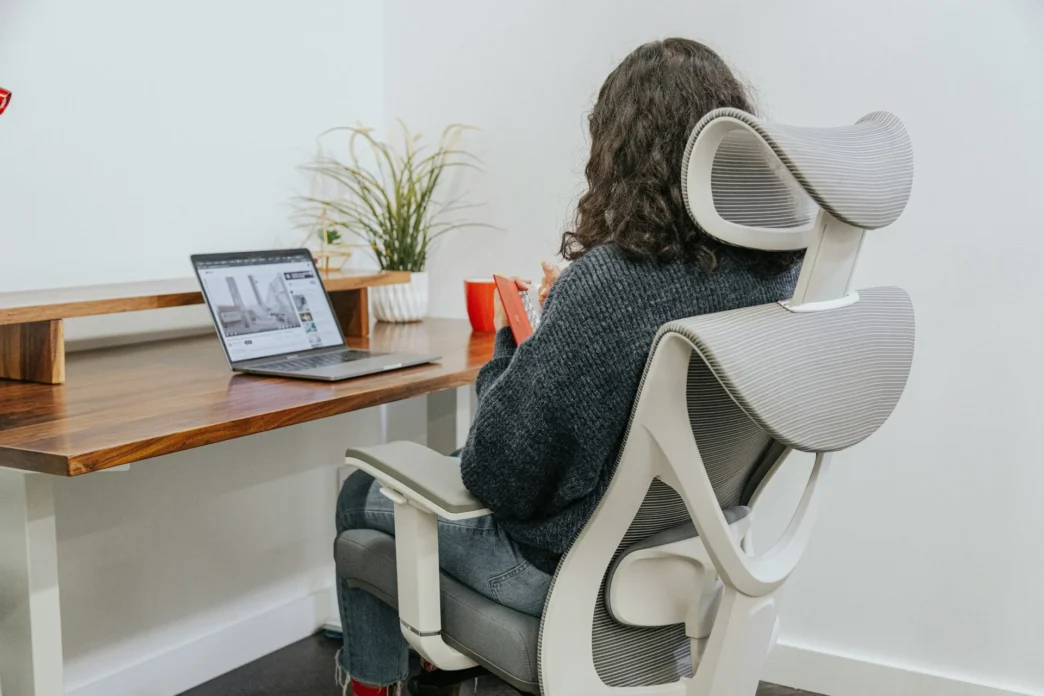
If you spend a lot of your day at a desk, whether for work, gaming, or building your next custom PC, you’ve probably felt it: that nagging lower back pain, a stiff neck, or just feeling tired after a few hours. We often focus on our computer’s specs, but the chair we sit in is just as important for our comfort and long-term health. That’s where ergonomic chairs come in.
But “ergonomic” gets thrown around so much it’s easy to ignore. What does it actually mean, and can a chair really make a difference? Let’s break it down.
What Makes a Chair “Ergonomic”?
“Ergonomics” is all about designing things so people can use them easily and safely. For chairs, it’s not about one chair fitting everyone. Instead, it’s about how much you can adjust it. An ergonomic office chair is made to support your body in a natural, healthy way, and it does this by letting you customize it to your specific shape and size.
Unlike a basic office chair that might only move up and down, a good ergonomic chair offers a wide range of adjustments. This includes things like seat height, seat depth, back angle, and armrest position. The goal is to get your body lined up correctly, which takes stress off your spine, hips, and neck while you sit. It’s built to fit you, not the other way around.
The Tangible Benefits of a Good Ergonomic Chair
Switching to a well-designed chair isn’t just about being a bit more comfortable. The benefits can really affect your daily life and how you feel overall. The most immediate perk is better posture. A good chair helps you sit correctly, with your feet flat on the floor, knees at a 90-degree angle, and your spine supported.
This better posture directly means less body pain, especially in the lower back and neck, which are common complaints for people who work at desks. By giving you the right support, the chair takes pressure off your muscles and ligaments. This can help you focus and be more efficient because you’re not constantly bothered by discomfort. Many people find that enhancing comfort and productivity go hand-in-hand once they make the switch.
Key Features to Look For When Shopping
When you start looking for an ergonomic chair, all the choices and features can feel overwhelming. There’s a lot you need to know before buying to make sure you get a chair that truly works for you. Here are the most important features to look for:
- Adjustable Seat Height: Your feet should be able to rest flat on the floor. Look for a lever that makes it easy to change the height.
- Lumbar Support: This is super important. A good chair will have adjustable lumbar support that fits the natural curve of your lower back. Some adjust up and down, while others adjust how much pressure they give.
- Adjustable Armrests: Your armrests should let your shoulders stay relaxed. Look for armrests that you can adjust for height and width so your arms can rest comfortably at a 90-degree angle while you type.
- Seat Depth and Width: The seat should be deep enough to support your thighs without pushing into the back of your knees. You should have about two to four inches of space between the edge of the seat and your knees.
- Swivel and Casters: Being able to easily turn and roll is key for reaching different parts of your desk without straining. Make sure the wheels are right for your floor, whether it’s hard or carpeted.
Is an Ergonomic Chair Really Worth the Investment?
Let’s be honest: good ergonomic chairs usually cost more than basic office chairs. It’s easy to wonder if they’re really worth the money. Think of it this way: you might buy a fancy monitor for better visuals or a mechanical keyboard for a better typing feel. An ergonomic chair is an investment in your physical hardware, your body.
Considering how many hours you spend sitting, the cost makes sense as a long-term health investment. Preventing chronic back pain or neck strain can save you money on doctor visits and lost work time later on. A durable, well-made chair can also last ten years or more, making its cost-per-year pretty reasonable compared to replacing a cheaper chair every couple of years.
Ultimately, picking the right chair is a personal choice based on your body, how you work, and your budget. By understanding what makes a chair truly ergonomic, you’ll be better prepared to find one that keeps you comfortable and focused for years.