


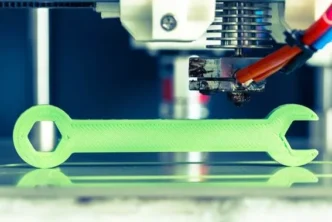
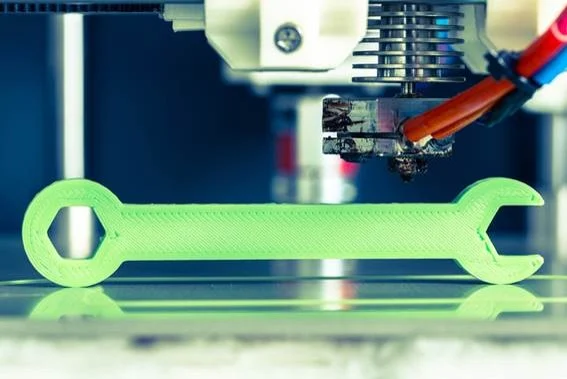
It’s frustrating to replace an otherwise functional product because one inexpensive plastic piece snapped or disappeared. A small plastic part may fail long before the rest of an item wears out. A cracked knob, missing battery cover, or broken clip can make a useful product hard to use. With a 3D printer, you can make many replacement parts at home.
Affordable 3D printing supplies have made this more practical for beginners. The best projects are small, simple, and low risk. If a printed part fails, the result should be an inconvenience, not an injury, fire, leak, or costly repair.
Why Small Repairs Are a Good Use of 3D Printing
Small plastic parts can be hard to buy on their own. Manufacturers may stop selling spares after a product leaves the market or require you to buy a full assembly when one clip fails. In many cases, the replacement part costs very little to make, but finding it can be the hardest part of the repair. Desktop 3D printers offer another option.
- Material Fit: Your choice of 3D printer filament affects strength, flexibility, heat tolerance, and moisture resistance. PLA suits many indoor parts, while PETG offers added toughness for repairs that see more wear. Before printing, compare filaments and resins to choose the right one for your project.
- Existing Designs: Many repair files are ready to download. Confirm the model number, check the measurements, and resize the file if needed.
- Repair Value: Printing makes sense when the main product works but the needed part is costly, rare, or no longer sold.
Everyday Household Parts You Can Print and Replace
Useful prints include both exact replacements and new parts that restore function. Projects such as 3D-printed hand tools, holders, and brackets follow the same process: identify the problem, choose or make a model, print it, test the fit, and adjust it.
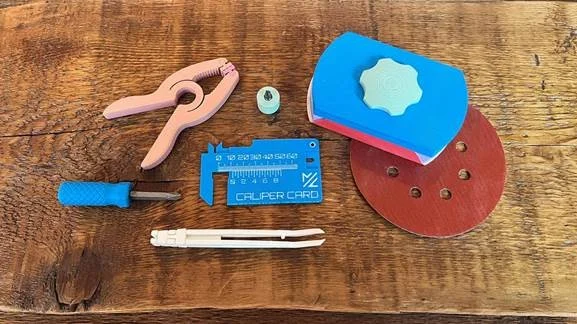
Above: Six Handy Hand Tools to Print at Home
Photo courtesy of Dan Ackerman, Editor-in-Chief at Micro Center
1. Appliance Knobs
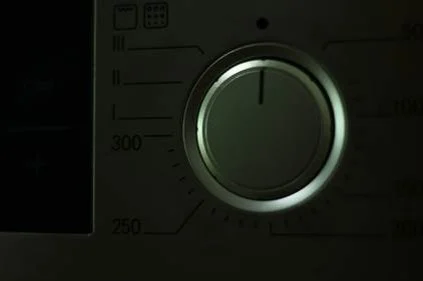
Knobs on fans, washers, and other devices can split around the shaft. A five-minute repair can keep an otherwise working appliance in service instead of sending you shopping for a replacement. Measure whether the shaft is round, splined, or D-shaped. Avoid controls near heat or exposed wiring.
2. Refrigerator Shelf Brackets
A broken shelf support or door bin mount can make a fridge harder to use. Print a corner support, clip, or small bracket. Check the mounting shape and expected weight before installing it, especially if you’re repairing an older refrigerator with limited replacement parts available.
3. Drawer Guides and Stops
Worn guides can cause a drawer to tilt, jam, or pull out too far. A small printed guide or stop can restore the missing contact point. Precise measurements may require a test print.
4. Furniture Feet and Leg Caps
Missing feet can make chairs and tables wobble or scratch the floor. A push-on cap is a good first repair because the shape is simple and the risk is low. You can leave space for a felt pad.
5. Battery Covers and Device Panels
Battery covers often go missing or break at the latch. A printed shell with a lip, tab, or friction fit can close the opening. Check the exact device model because small version changes may affect the fit.
6. Curtain Hooks, Blind Clips, and Small Mounts
Small hooks and clips break easily, yet matching parts may be hard to find. Copy the old part or adapt a similar model. A thicker weak point may help, but too much material can stop the clip from bending.
Source: Primus1/Shutterstock.com
7. Tool Handles and Hobby Accessories
Print grips, sleeves, holders, buttons, and light-duty mounts for garden tools, cameras, toys, game gear, and workshop items. Focus on comfort and basic function. Avoid parts that carry heavy force, protect the user, or support weight.
How to Choose a Beginner-Friendly Repair
A good first repair should be easy to measure, quick to print, and safe to test.
- Start With Simple Geometry: Choose a small, single-piece part instead of a long print or multi-part assembly.
- Look for Proven Models: Check for photos, comments, successful print reports, and a clear product number.
- Avoid Demanding Conditions: Skip parts exposed to high heat, water pressure, heavy loads, or live electricity.
- Consider the Consequences: Ask what happens if the part breaks. A loose cable clip is minor. A failed chair part is not.
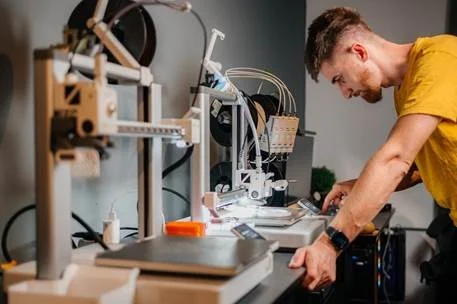
Source: Stenko Vlad/Shuttersock.com
Know When Not to Print the Part
Do not print any part whose failure could cause injury, fire, flooding, or loss of control. Part safety is one concern. Printer use is another. Recent research into the health and environmental risks of 3D printing discusses particle emissions, volatile compounds, and plastic waste.
- Avoid electrical boxes, parts near heating elements, plumbing fittings, and pressurized parts.
- Do not print vehicle parts, structural furniture parts, protective gear, or anything that supports a person.
- Treat reusable food-contact items with care because layered surfaces can be hard to clean fully.
- Use proper ventilation and follow the printer and filament maker’s safety instructions.
One Repair Can Change How You See Things
3D printing offers the most value when one small part keeps a useful item in service. Failed prints, power use, and discarded plastic still count. Broader research on 3D printing and circularity shows why material use and product life deserve attention.
Start with a furniture foot, battery cover, drawer stop, or clip. A library, makerspace, or repair café may offer printer access. One successful repair often changes the way you look at everyday objects, turning what once seemed broken beyond repair into something that’s worth fixing.