


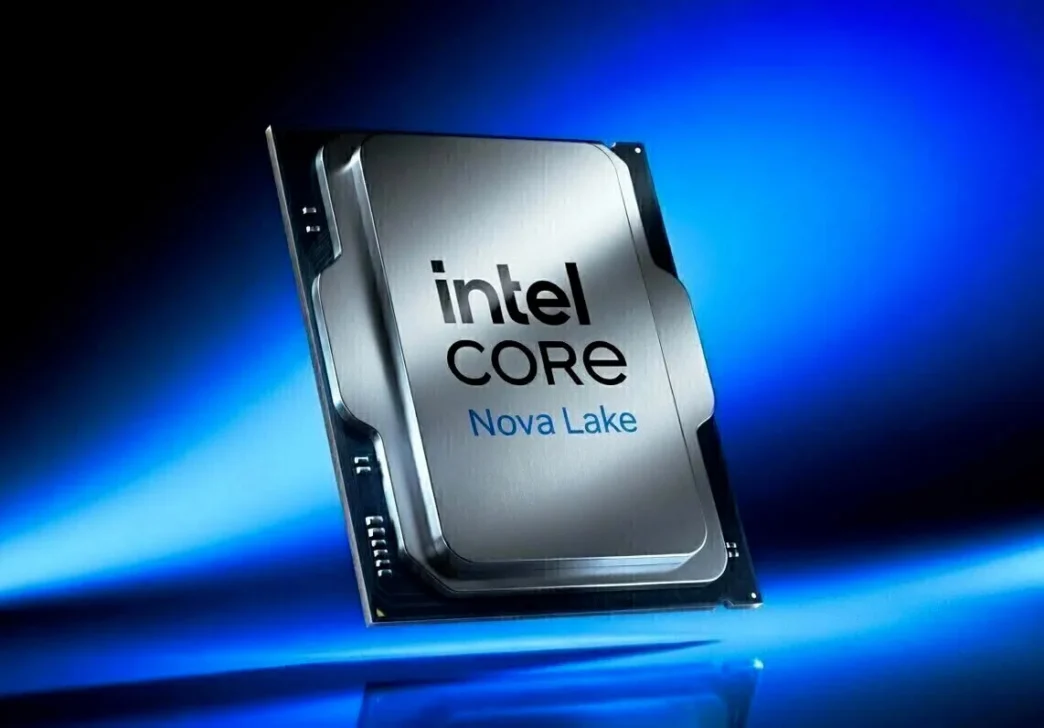
Intel’s upcoming Core Ultra 400-series “Nova Lake” platforms have appeared on USB-IF and PCI-SIG compliance lists, marking progress toward a desktop and laptop launch expected in 2027. The listings cover USB4, USB 3.2 and PCIe 5.0 implementations. They are a sign of platform preparation, but do not confirm a final launch date or product lineup.
Key takeaways
The new listings point to working through connectivity certification for multiple Nova Lake components. They confirm standards testing for specific device IDs, while some product identities and launch details remain unannounced.
- Mobile Nova Lake-H IDs D331 and D333 passed USB4 testing at up to 80 Gbps.
- Desktop chipset ID 6E6E passed USB 3.2 testing for up to 20 Gbps.
- Intel’s 900-series chipset and an unidentified processor passed PCI-SIG tests, including a PCIe 5.0 x16 root complex.
- Current reports point to a Q1 2027 launch, but Intel has not confirmed that schedule.
USB listings cover mobile and desktop parts
The USB Implementers Forum (USB-IF) lists Nova Lake-H device IDs D331 and D333 as compliant with USB4’s 80 Gbps specification. The result is consistent with expectations for Thunderbolt 5 support, though Intel has not detailed the final configurations for these processors.
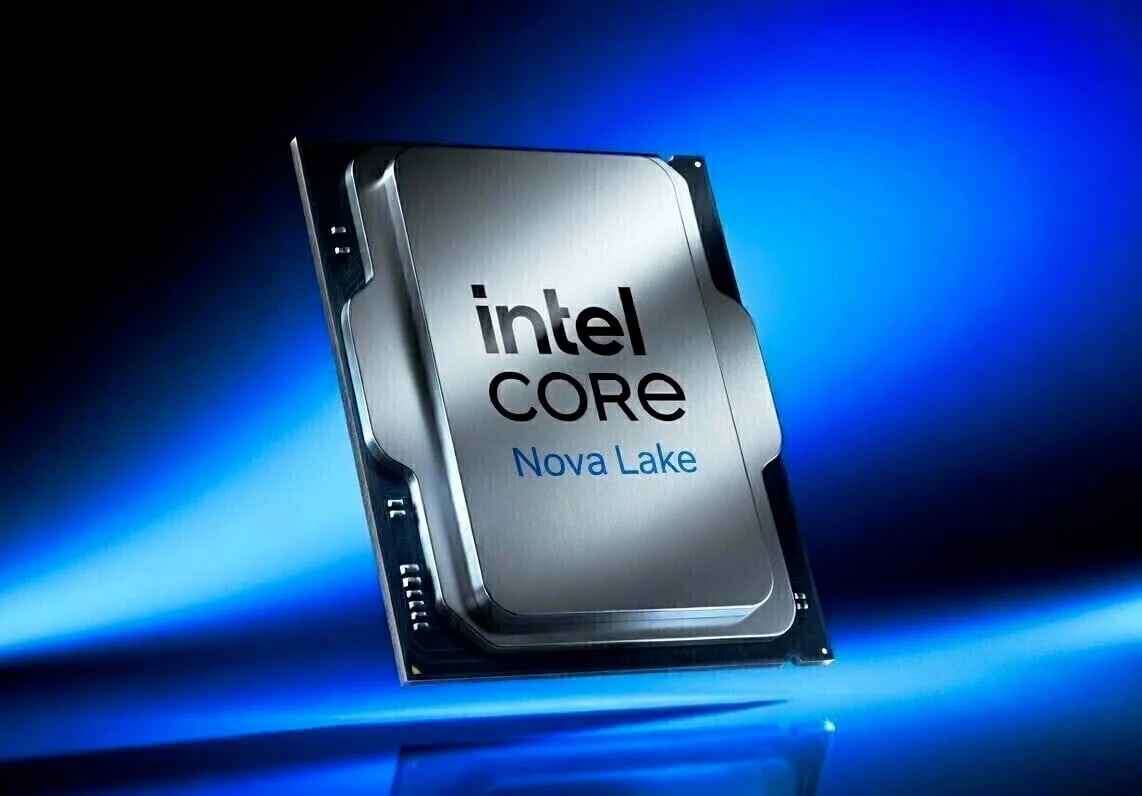
A separate entry, ID 6E6E, identifies a desktop Nova Lake PCH-S chipset compliant with USB 3.2 Gen 2×2, which supports transfer rates up to 20 Gbps. The desktop processor expected to offer USB4 has not appeared on the list so far.
PCIe certification adds another milestone
Intel’s 900-series chipset device IDs have been on the PCI-SIG Integrators List since April. In August, an unidentified Intel processor with IDs D461, D465 and D467 through D46A was also listed after testing for a PCIe 5.0 x16 root complex. It is likely associated with the Nova Lake-S desktop platform, but Intel has not confirmed the processor’s identity.
USB-IF and PCI-SIG testing checks interoperability with their respective standards. Passing is an important step toward shipping certified products, but it does not by itself establish performance, availability or a launch date.
What the listings say about launch timing
Intel can use USB-IF’s Qualification by Similarity process to seek approval for related products after testing selected designs. Each product still requires its own submission, and the forum may require additional testing if it considers differences significant. That allows certification work to proceed across a family without every variant necessarily appearing at once.
Reports place Nova Lake’s first products in Q1 2027, with desktop and mobile models expected. The listings suggest Intel is advancing platform preparation, while additional certifications and official product announcements are still to come. Details such as pricing, final specifications and availability remain unconfirmed.
Via Tom’s Hardware