


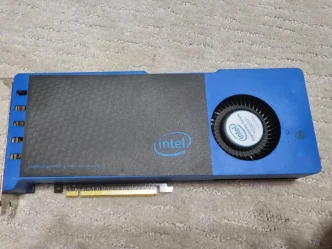
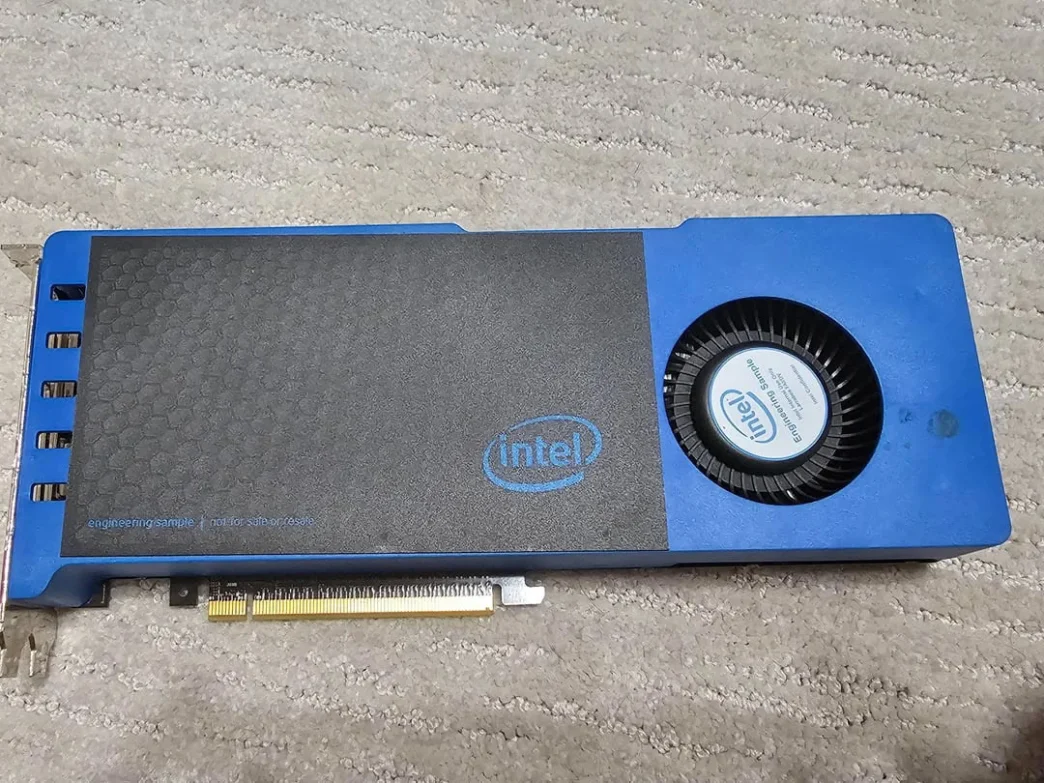
A long-lost Intel Larrabee development system has reportedly been recovered from a storage-unit auction, along with drivers and development tools that restore its 3D acceleration. The nearly 17-year-old prototype is said to run Windows 7 and the original Crysis, giving hardware enthusiasts a rare look at Intel’s abandoned attempt to build a discrete GPU.
Key takeaways
The discovery includes a complete Intel Visual Adrenaline development system and archived software, though the reported performance results have not been independently verified.
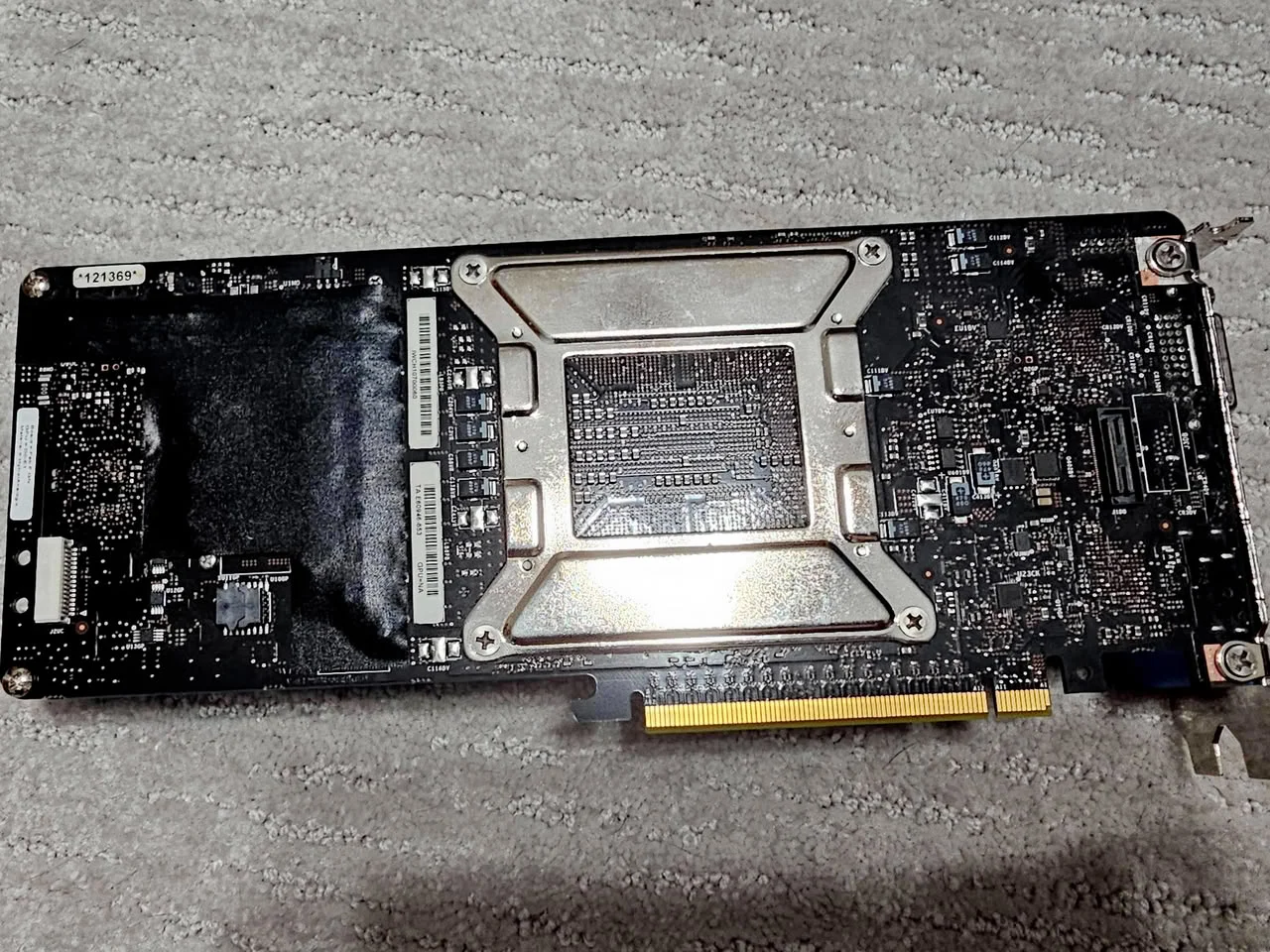
- The system reportedly contains a C0-stepping Larrabee engineering sample, an Intel DX58SO motherboard and a diagnostic board.
- Recovered drivers enabled Direct3D acceleration in Windows 7.
- The owner says Crysis ran at 1280 × 720 with Medium settings, reaching about 17 FPS initially and around 36 FPS with another driver.
A storage-auction find
Reddit user “pkellythompson” bought the equipment at a storage-unit auction, initially seeking help identifying an unusual Intel graphics card. The hardware was later recognized as a Larrabee-based Intel Visual Adrenaline development system. Its graphics card reportedly failed to produce an image over HDMI, but worked with an older monitor connected through DVI.
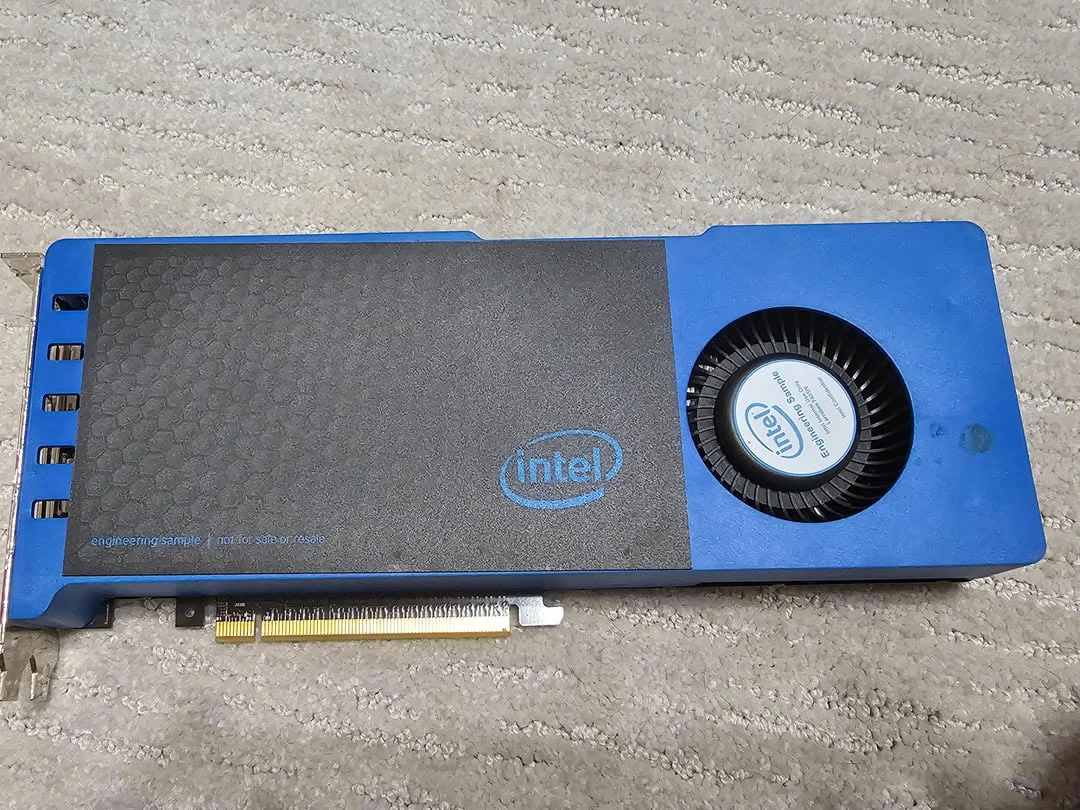
The system also needed some troubleshooting before Windows could start. A dead motherboard battery had reset the BIOS configuration; switching the storage controller from AHCI to IDE reportedly resolved the boot issue. During startup, the card displayed a message identifying it as an Intel Larrabee customizable video BIOS product.
Drivers bring the prototype back to life
Two USB drives found with the equipment contained Intel development software. The recovered archives, approximately 82 MB and 728 MB, reportedly include drivers, documentation, development utilities and instructions for updating the video BIOS. The files have been preserved and uploaded to the Internet Archive.
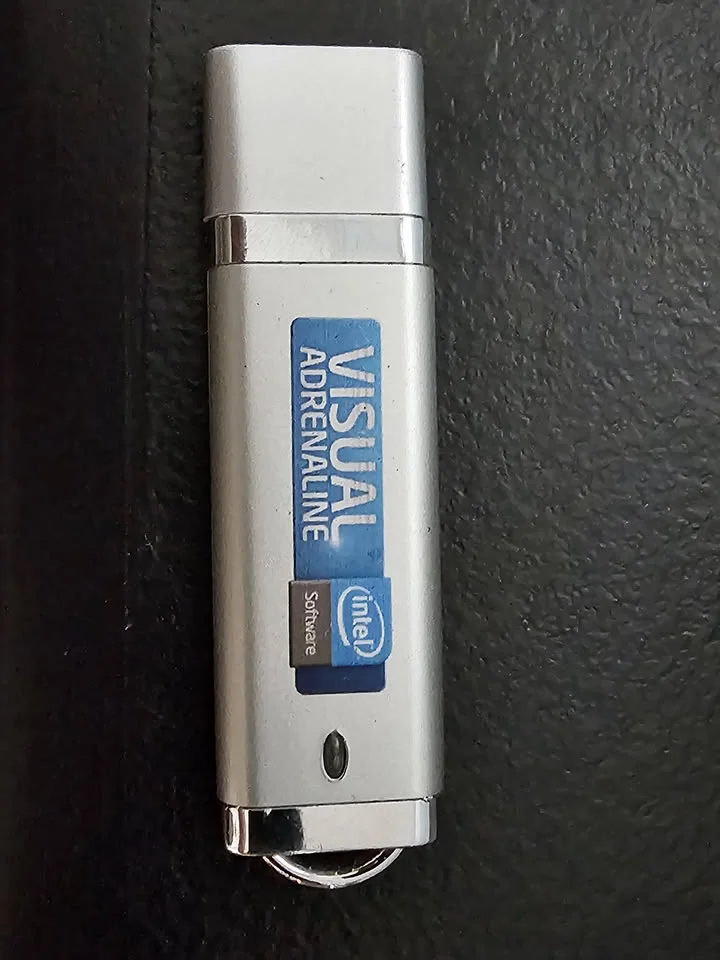

After installing the software, Windows 7 reportedly recognized the card and enabled Direct3D acceleration. The owner tested older Microsoft Direct3D samples before trying Crysis. Performance claims come from the system’s owner and screenshots, rather than independent benchmarking, so they should be treated as preliminary.
Intel’s unusual graphics experiment
Larrabee was Intel’s effort to compete with AMD and Nvidia using multiple x86-based cores equipped with wide vector units. Instead of relying on a conventional fixed-function graphics pipeline, it planned to handle much of the rendering through software, with dedicated texture hardware assisting the process.
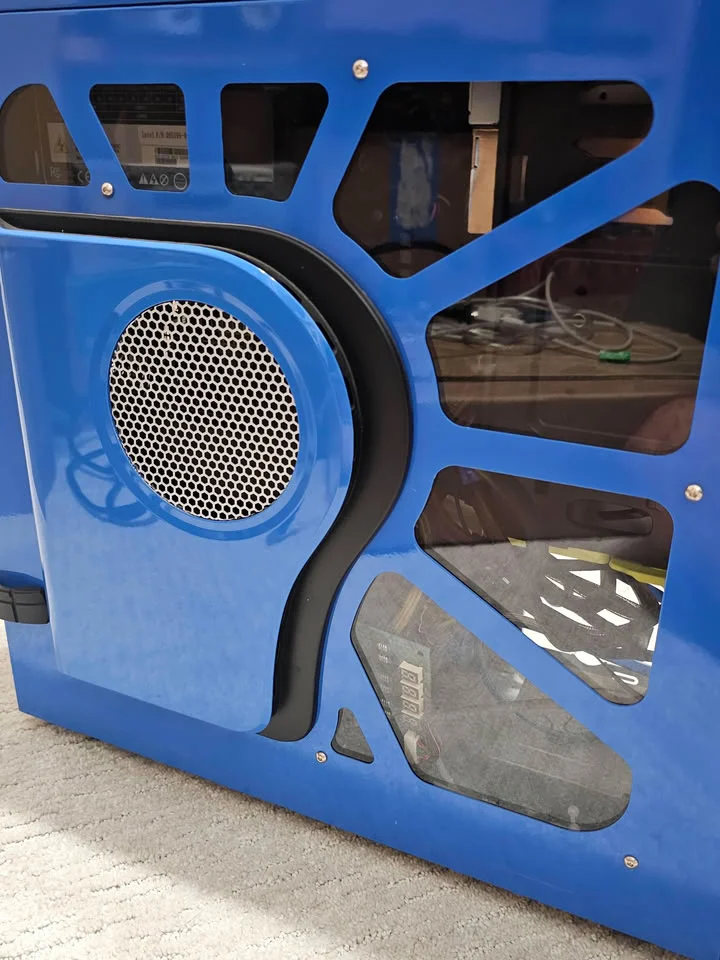
Intel canceled the planned consumer graphics launch in 2009 after development fell behind expectations. The architecture later influenced the company’s Xeon Phi compute accelerators. The recovered tools and working prototype offer enthusiasts an uncommon opportunity to explore the project’s software and hardware, even though the reported Crysis results do not establish how a finished Larrabee product would have performed.
Via Reddit