


Microsoft has proposed a way for PC owners to earn rewards by contributing unused GPU capacity to AI training. A patent application describes breaking large training jobs into smaller tasks and distributing them to opted-in computers and other devices. It remains a proposal, however: Microsoft has announced no product, launch date, supported hardware or payout rates.
Key takeaways
The filing sketches a distributed system that could put idle consumer hardware to work, but it leaves key questions about compensation, electricity costs and user controls unanswered.
- The patent, filed in April 2025 and published November 5, 2026, is titled “Opportunistic Micro-training on Edge Devices Using Spare GPU Utilization.”
- Participating devices could receive small AI-training tasks when resources are available.
- Proposed rewards include money, software credits or access to AI models; no rates are specified.
- The patent is not confirmation that Microsoft will launch the service.
How the proposed GPU-sharing system would work
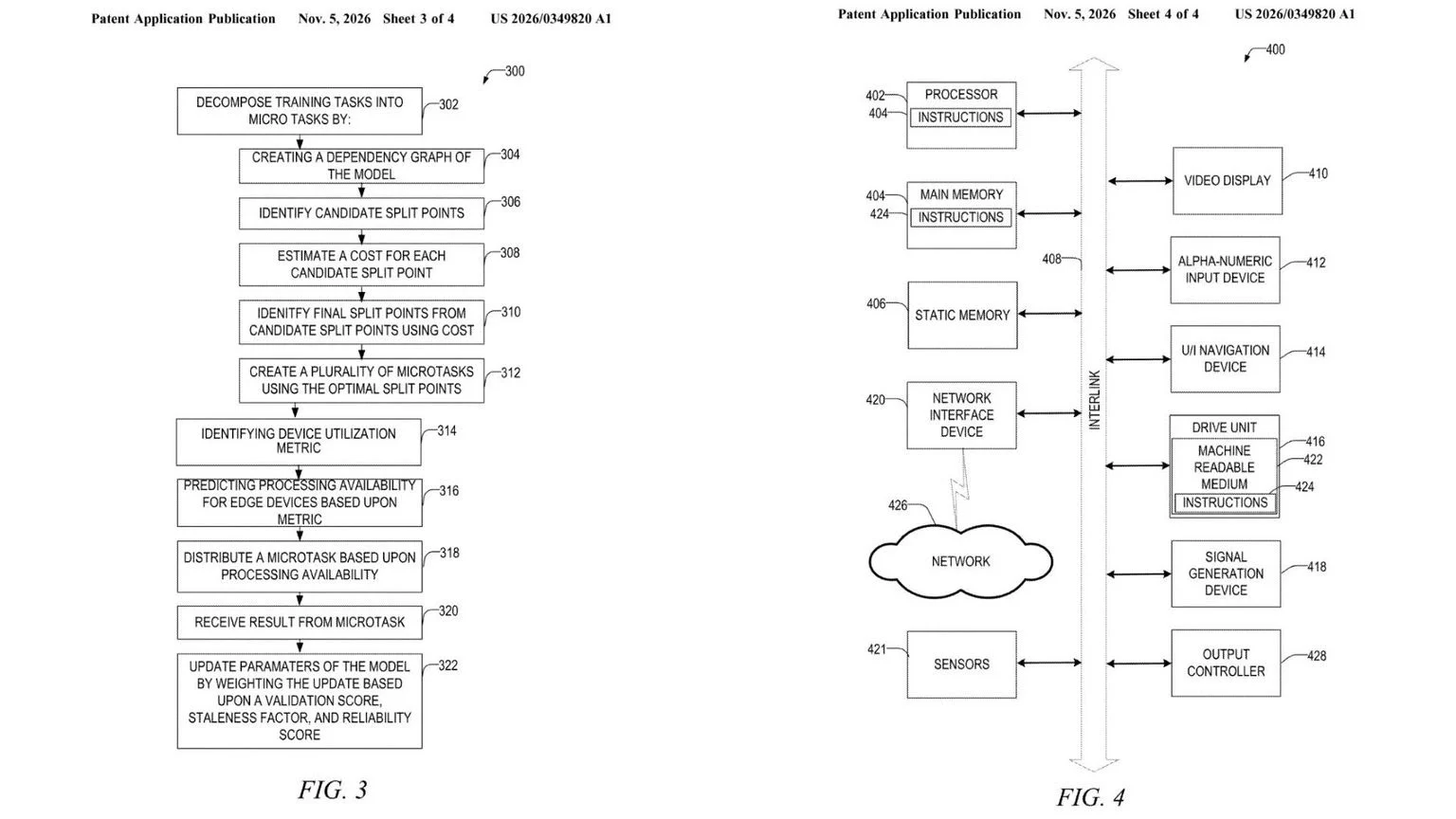
The application describes dividing larger AI-training workloads into smaller tasks for gaming PCs, laptops and potentially smartphones. A system would check available GPU and CPU capacity, memory use, temperature, power draw and other conditions before assigning work. Tasks could be paused or stopped when a device becomes busy or approaches defined limits. The filing also describes checking results to identify errors or manipulated calculations.
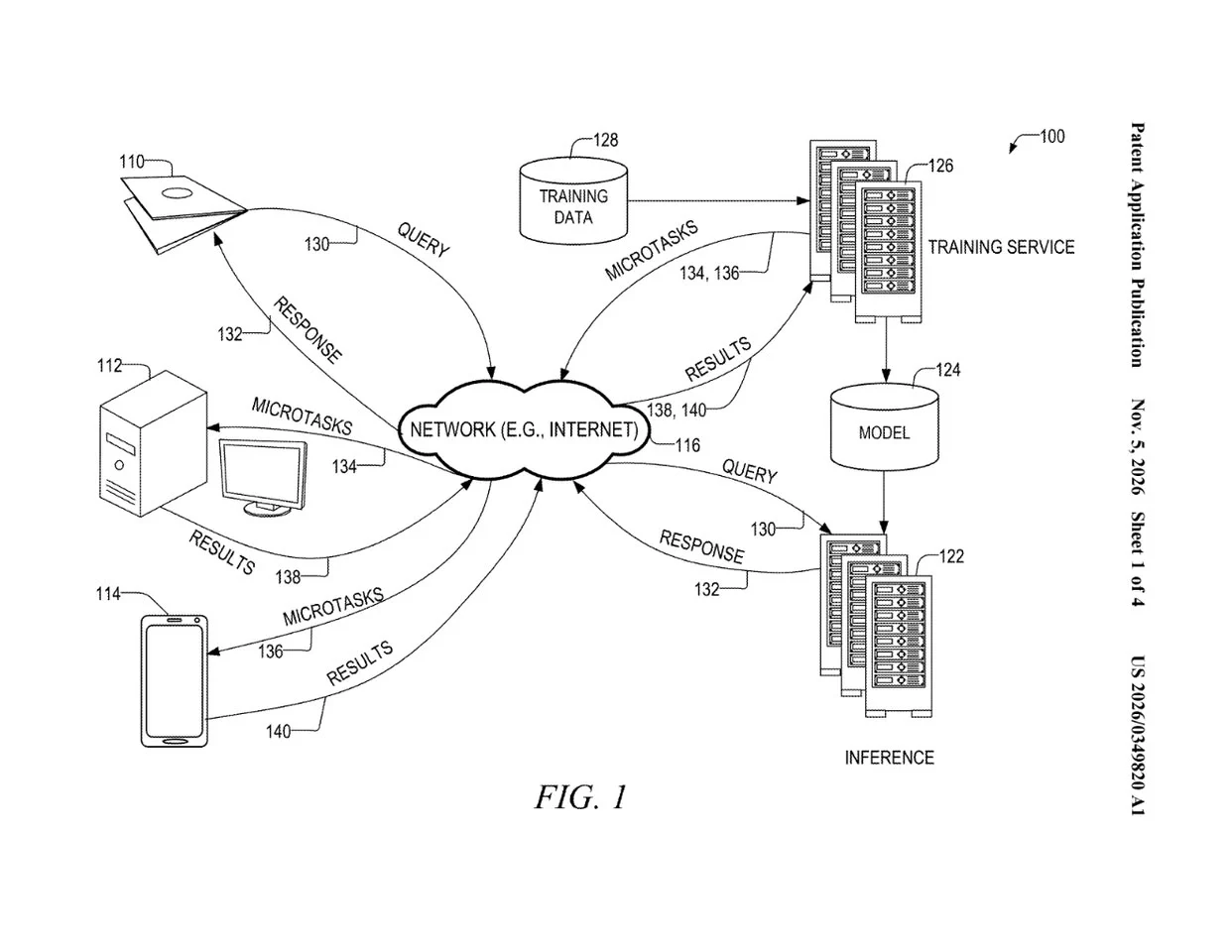
For PC builders and gamers, the concept resembles volunteer distributed-computing projects, but with compensation attached. The patent describes tracking the work each device completes and potentially awarding credits redeemable for money, software or model access. It does not specify a payment formula or which GPUs would qualify.
Costs and safeguards remain open questions
Running a GPU for additional hours uses electricity, even when the PC would otherwise be idle. One example cited in coverage estimates that an extra 250 watts for four hours a day would add about 30 kilowatt-hours per month. At 35 cents per kilowatt-hour, that would cost roughly $10.50. Actual costs would depend on hardware, workload and local electricity prices, while the proposed rewards are unknown.
More sustained GPU use could also mean additional heat and wear. The patent’s proposed monitoring and pause mechanisms are intended to limit disruption, but the filing does not establish how reliably they would work in a real service. Users may also want clear controls over what runs on their systems and what device information is collected.
A patent, not a product announcement
Microsoft has not announced a Windows or Xbox program based on the filing, and patent applications do not guarantee that an idea will reach consumers. Until the company provides details about opt-in controls, privacy, hardware support and compensation, GPU owners cannot determine whether participating would be worthwhile. For now, the proposal is an indication of one possible approach to tapping spare consumer computing capacity—not a new way to earn money from an idle graphics card.
Via Patent, Insider Gaming