The demand for artificial intelligence is having a significant impact on the PC hardware market, particularly on Solid State Drives (SSDs). High-capacity SSDs, especially 8TB models, are experiencing dramatic price increases, with some listings showing MSRPs over $2,400. This surge reflects a broader trend of rising NAND flash prices, driven by the insatiable appetite for storage from AI development and other data-intensive applications.
Key Takeaways
- High-capacity SSDs, particularly 8TB models, are seeing substantial price hikes.
- The surge is attributed to increased demand from AI development and other data-intensive applications.
- Even actual retail prices for these drives have increased by over 50% since October.
- Prices for lower-capacity SSDs and even traditional HDDs have also seen increases.
The Skyrocketing Cost Of Storage
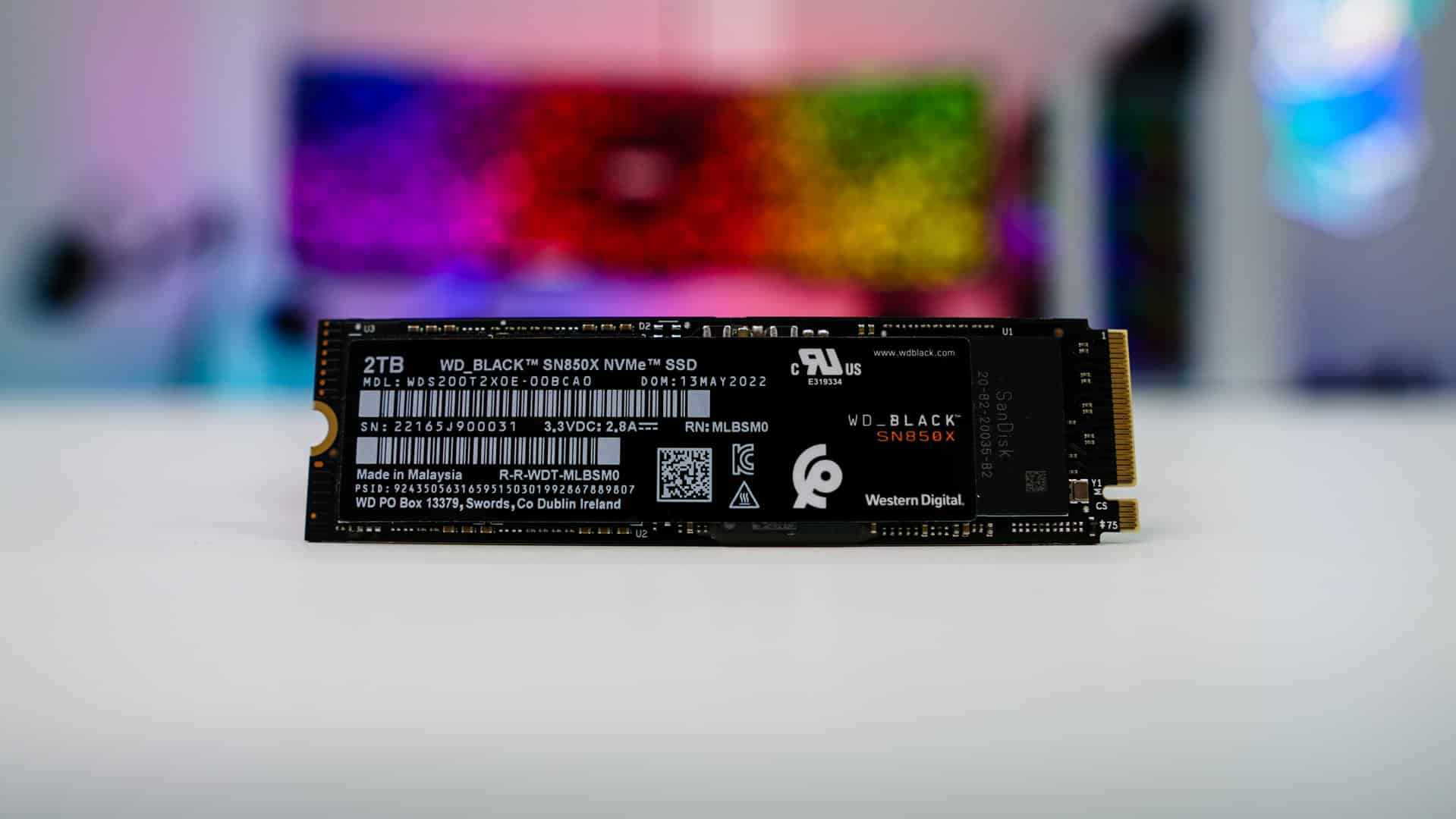
Micro Center has listed an 8TB WD_Black SN850X SSD with a suggested retail price of $2,418.99, and a PlayStation-branded SN850P at $2,757.99. While these are likely mislabeled prices within the store, the underlying trend is undeniable. The 8TB WD_Black SN850X, which was available for around $540 in early October, is now listed on Amazon for approximately $895.72, marking an increase of over 50%.
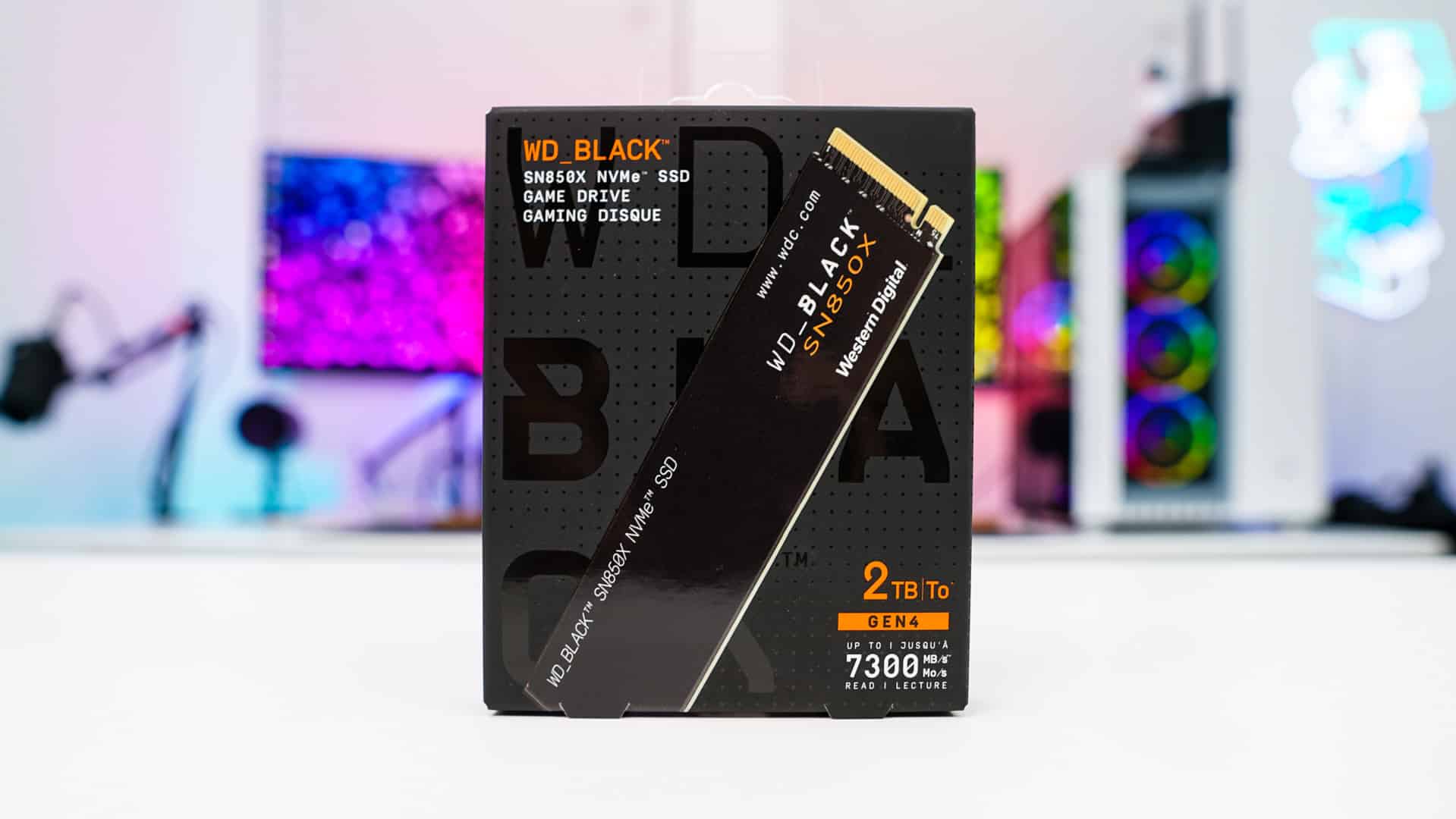
Other high-capacity SSDs are following suit. The Sabrent Rocket 4 Plus 8TB, previously around $810 in late October, is now priced at $1,170. This price inflation isn’t limited to the largest drives; even 2TB models like the WD_Black SN850X have doubled in price, jumping from about $150 to $270. The value-oriented Crucial P3 Plus 1TB, which launched at $62, is now selling for $220.
AI’s Unseen Hand In The Market
The primary driver behind these escalating prices is the burgeoning demand for AI technologies. Similar to the recent surge in RAM prices, NAND flash memory, the core component of SSDs, is experiencing a significant uptick in demand. NAND producers are responding by increasing contract prices and allocating limited inventory for the coming years.
TrendForce has predicted double-digit percentage increases in NAND prices for the first quarter of 2026. This trend is further evidenced by the week-over-week increase in wafer prices for TLC NAND, which has climbed between 12% and 19%. While spot prices for DDR5 have stabilized slightly, the overall market sentiment points towards continued price hikes for storage solutions.
A Glimpse Into The Future
Industry analysts suggest that SSD prices are likely to continue their upward trajectory in the near future. The increased demand, coupled with limited supply and rising production costs, paints a challenging picture for consumers looking to upgrade their storage. The era of cheap, high-capacity SSDs may be temporarily on hold as the world grapples with the storage needs of the AI revolution.
As AI-driven workloads and data-heavy systems continue to expand beyond consumer tech, the impact is also being felt in modern manufacturing environments. Automated production lines now rely on high-speed storage, real-time data processing, and reliable hardware to keep operations running smoothly. This shift is especially visible in regulated industries like cannabis manufacturing, where automated pre-roll machines and other production equipment help brands scale output, reduce labor dependency, and maintain consistency as technology costs rise across the board.