
DRAM prices have experienced a dramatic surge of over 170% year-over-year, driven by an insatiable demand from the artificial intelligence sector. This unprecedented price hike is straining global supply chains, forcing manufacturers to prioritize high-margin products and leading to significant price increases for consumers. The situation is expected to persist into 2026, impacting everything from PC builds to smartphone costs.
Key Takeaways
- DRAM prices have surged by approximately 172% year-over-year.
- The primary driver is the immense demand for memory from the AI sector.
- Major manufacturers like Samsung, Micron, and SK Hynix are reallocating production.
- Some manufacturers have halted new DDR contract orders.
- Consumer memory module prices have increased by 20-40% in recent weeks.
- The trend is projected to continue into 2026, affecting various electronic devices.
The AI Demand Explosion
The exponential growth of artificial intelligence applications, particularly in data centers and hyperscale computing, has created an unprecedented demand for high-bandwidth memory (HBM) and DDR5 DRAM. Industry analysts report that AI workloads are consuming a significant portion of global production capacity for memory and storage. This surge has caught memory manufacturers off guard, as they are still recovering from a market downturn in 2023.
Supply Chain Strains and Manufacturer Responses
Major DRAM manufacturers, including Samsung, Micron, and SK Hynix, are restructuring their production allocations to capitalize on the high demand for AI-specific memory. This has led to a significant shift in production towards lucrative HBM chips, often at the expense of traditional DDR RAM. Consequently, consumer-grade memory supplies are tightening, pushing retail prices higher worldwide. Some manufacturers have even begun halting new DDR contract orders, signaling a growing inventory crisis for consumer-focused memory.
Consumer Impact and Market Forecasts
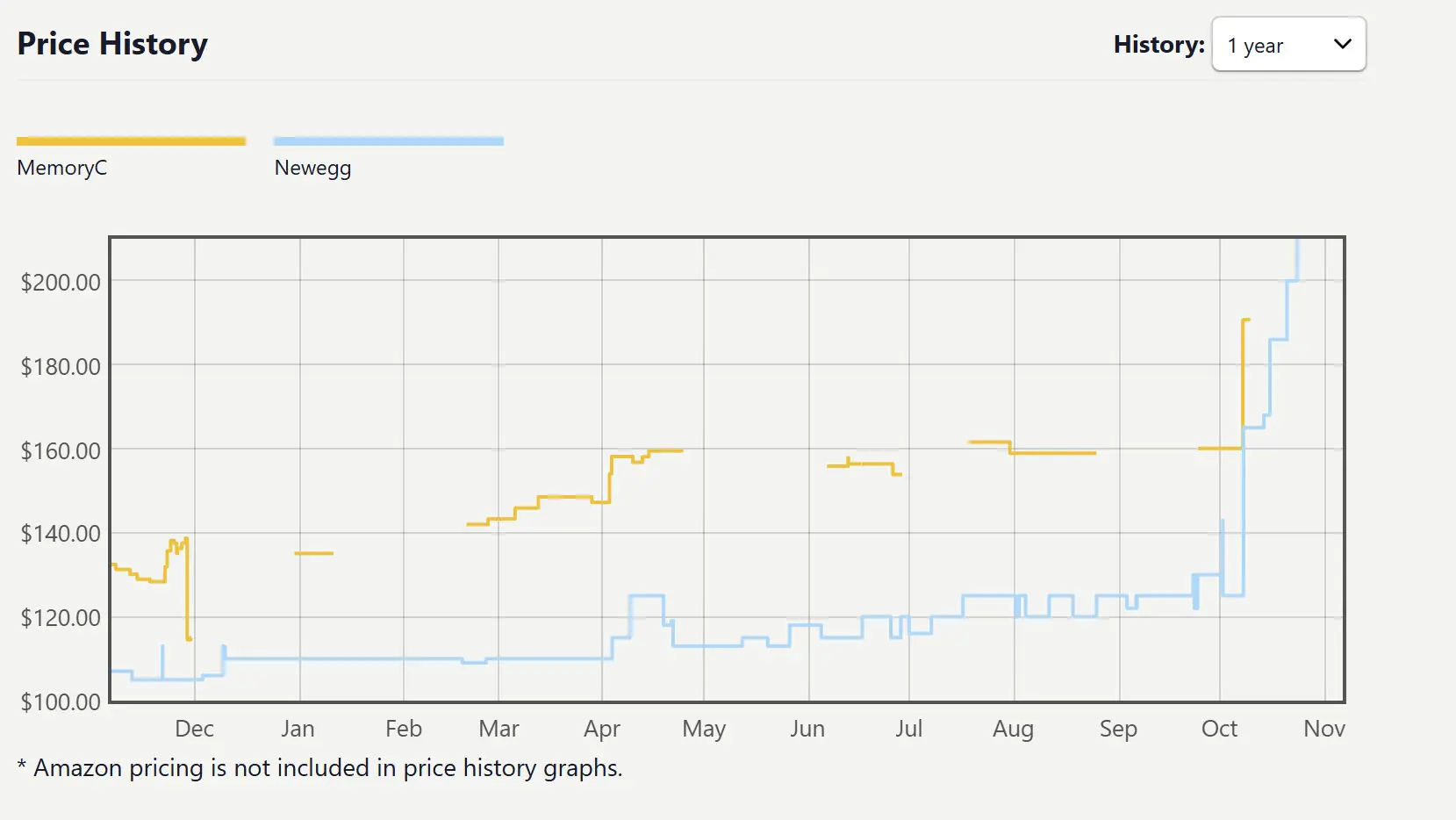
The impact on consumers is already palpable. Memory module prices from various vendors have seen increases of 20% to 40% in just the past few weeks. For instance, a 32GB DDR5 memory kit that previously cost around $106 is now listed at $239. This trend is not expected to abate soon, with forecasts predicting continued price increases into 2026. The shortage and rising costs are also anticipated to affect the smartphone industry, as memory is a critical component for premium devices and advanced AI features. The situation is so severe that some reports suggest DRAM prices have outpaced the rise of gold.
Broader Industry Implications
The current DRAM surge is part of a larger semiconductor renaissance driven by AI. The increased demand is a boon for the profitability of memory chip manufacturers, but it presents a significant challenge for consumers and businesses alike. The bottleneck in memory supply is a critical hurdle for the massive investments being made in data centers. Experts anticipate continued price volatility as manufacturers ramp up capacity, but lead times remain long, suggesting that consumers should plan their purchases carefully and potentially act sooner rather than later to secure memory components at current, albeit inflated, prices.
Via CTEE