AMD has hit a new milestone in September 2025, capturing a record 40% share of CPUs among Steam users. For the first time since Steam’s hardware survey began, AMD has closed in on Intel, marking a dramatic shift in the preferences of PC gamers worldwide.
Key Takeaways
- AMD now reaches 40% CPU market share on Steam for the first time
- Intel drops to a new record low, holding just under 60%
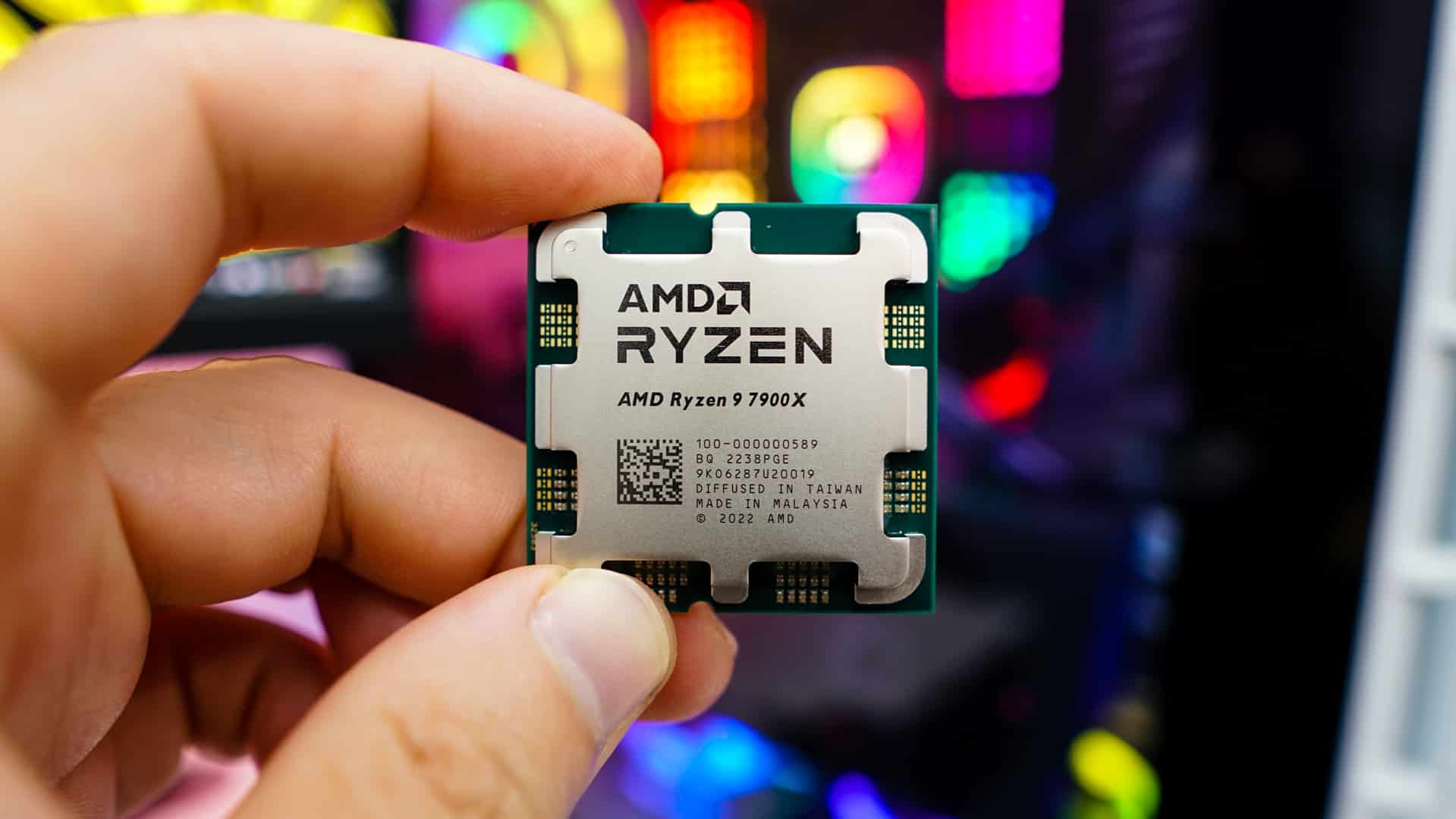
- AMD’s rise driven by popular gaming-focused chips like the Ryzen 7 9800X3D
- Market momentum suggests AMD could soon challenge Intel’s top spot
AMD’s Surge Reshapes the Steam Landscape
PC gaming’s hardware preferences are changing. AMD has rapidly gained ground over the past several years—up from 23% in 2020 to over 40% today. This rise is propelled by successful products such as the Ryzen X3D series, which offer notable gaming performance and value. Gamers upgrading from older Intel systems are increasingly choosing AMD, thanks to aggressive pricing and consistent performance growth.
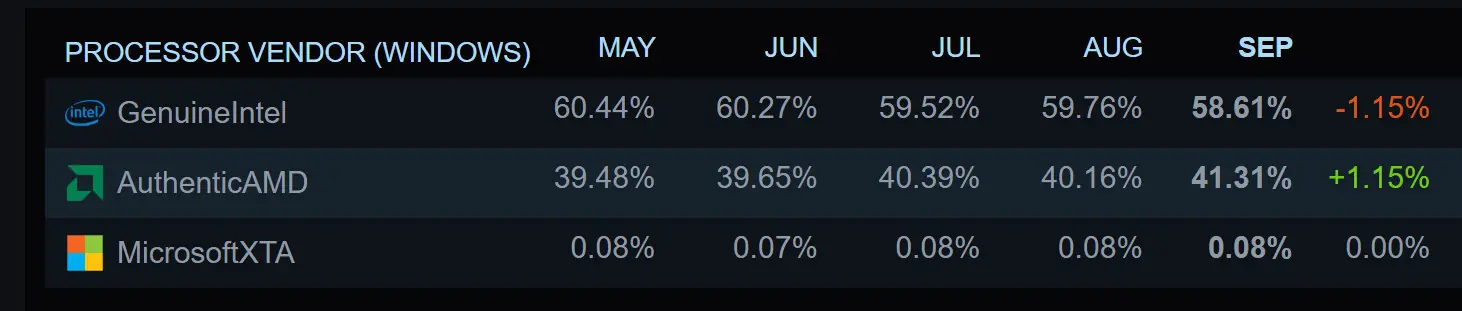
Meanwhile, Intel’s share continues to slide. Although it still leads, Intel’s market strength is increasingly propped up by legacy installations, with far fewer new builds opting for its latest CPUs. If current trends continue, AMD could surpass the 50% mark in less than a year.
Performance and Pricing Drive Change
AMD’s focus on gaming-centric CPUs, especially the 3D V-Cache models, has given it a clear edge for those seeking maximum frame rates at a reasonable cost. The Ryzen 7 9800X3D and its predecessors dominate sales charts and have been especially popular among do-it-yourself PC builders. In contrast, Intel’s latest Arrow Lake CPUs have failed to impress, often being outperformed by older Raptor Lake chips both in gaming and value.
Below is a summary table showing the trend:
| Year | AMD Share | Intel Share |
|---|---|---|
| 2020 | 23% | 77% |
| 2024 | 35% | 65% |
| 2025 | 40% | 60% |
What This Means for Gamers and the Industry
These shifts have broader implications. Hardware makers and retailers may adjust offerings to meet the rising demand for AMD-based systems. Game developers could optimize more titles for AMD architectures, accelerating the feedback loop. For Intel, the challenge is clear: to arrest the slide, it must deliver more compelling technology and establish a stronger value proposition in upcoming releases.
Looking Ahead
While Steam’s hardware survey isn’t a perfect snapshot—data is opt-in and may vary month to month—the consistent trend over multiple years suggests a genuine and durable shift in gamer preferences. If the pace holds, AMD’s ascent could culminate in a full market leadership soon, upending a dynamic that has persisted for over a decade.
Via Steam Survey