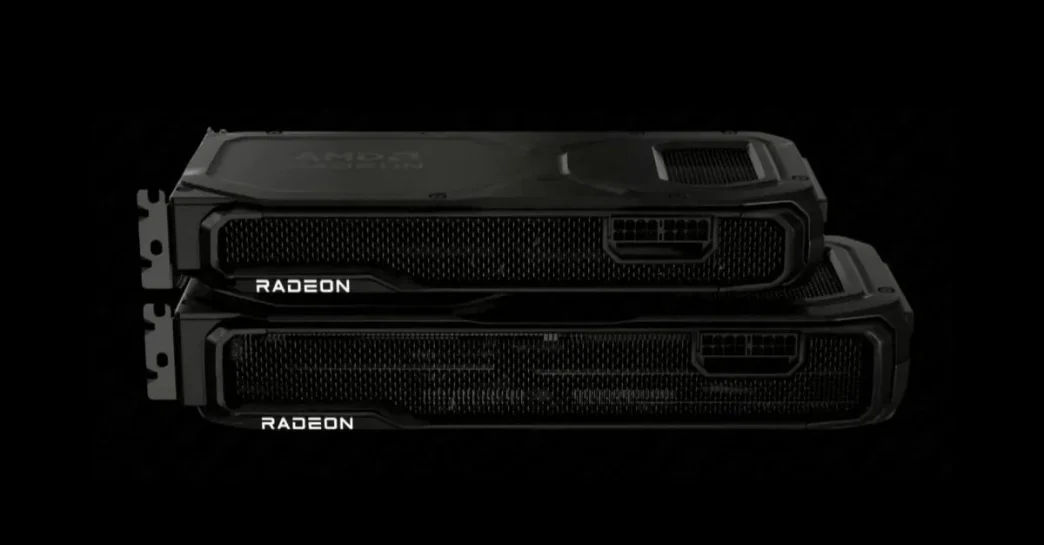
AMD is reportedly preparing to increase the prices of its graphics cards by at least 10%, a move attributed to a significant shortage and rising costs in the global memory market. This decision, communicated to its partners, signals potential price increases for consumers in the near future.
Key Takeaways
- AMD has notified its GPU partners of an impending price increase.
- The primary driver for the hike is the escalating cost of GDDR memory.
- This shortage is largely fueled by high demand from the AI sector.
- Consumers may see higher prices on new AMD Radeon GPUs soon.
The Memory Market Squeeze
The global memory market is currently experiencing significant turmoil, with demand from the artificial intelligence (AI) sector driving up prices for all types of memory, including the GDDR memory essential for graphics cards. This widespread shortage has directly impacted the cost of components for GPU manufacturers like AMD.
AMD has notified supply chain partners it will raise graphics card prices 10% across the entire product line due to rising memory chip prices, media report. It will reportedly be AMD’s 2nd such price increase. $AMD $NVDA #Semiconductors https://t.co/pi2hsmmhCA
— Dan Nystedt (@dnystedt) November 24, 2025
Notified Partners and Expected Impact
Industry sources indicate that AMD has informed its board partners, including major players like ASUS, Gigabyte, and PowerColor, about the planned price adjustment. This notification suggests that the price increase will affect AMD’s entire product line. While AMD does not manufacture DRAM itself, it procures memory for its GPUs, and these increased component costs are being passed on to customers.
Timing and Consumer Advice
This reported price hike is expected to impact newly manufactured GPUs. Consequently, it may take some time before these increased costs are fully reflected in retail prices. Analysts suggest that current pricing, especially with Black Friday deals potentially offering GPUs at or below MSRP, might represent the last opportunity for consumers to purchase graphics cards at current rates before the price adjustments take effect. The situation also mirrors reports of NVIDIA potentially delaying or altering its upcoming GPU releases due to similar memory cost pressures.