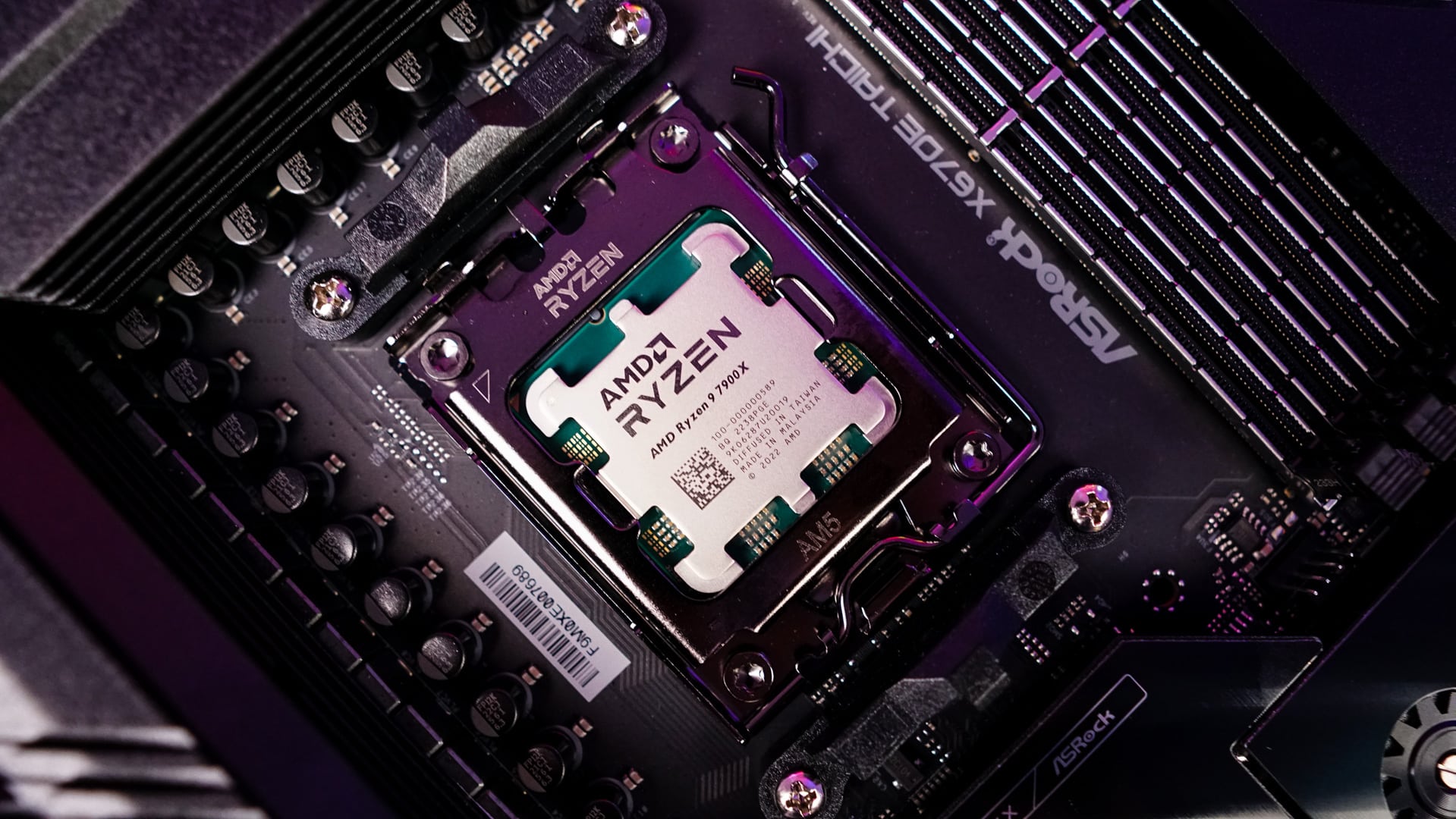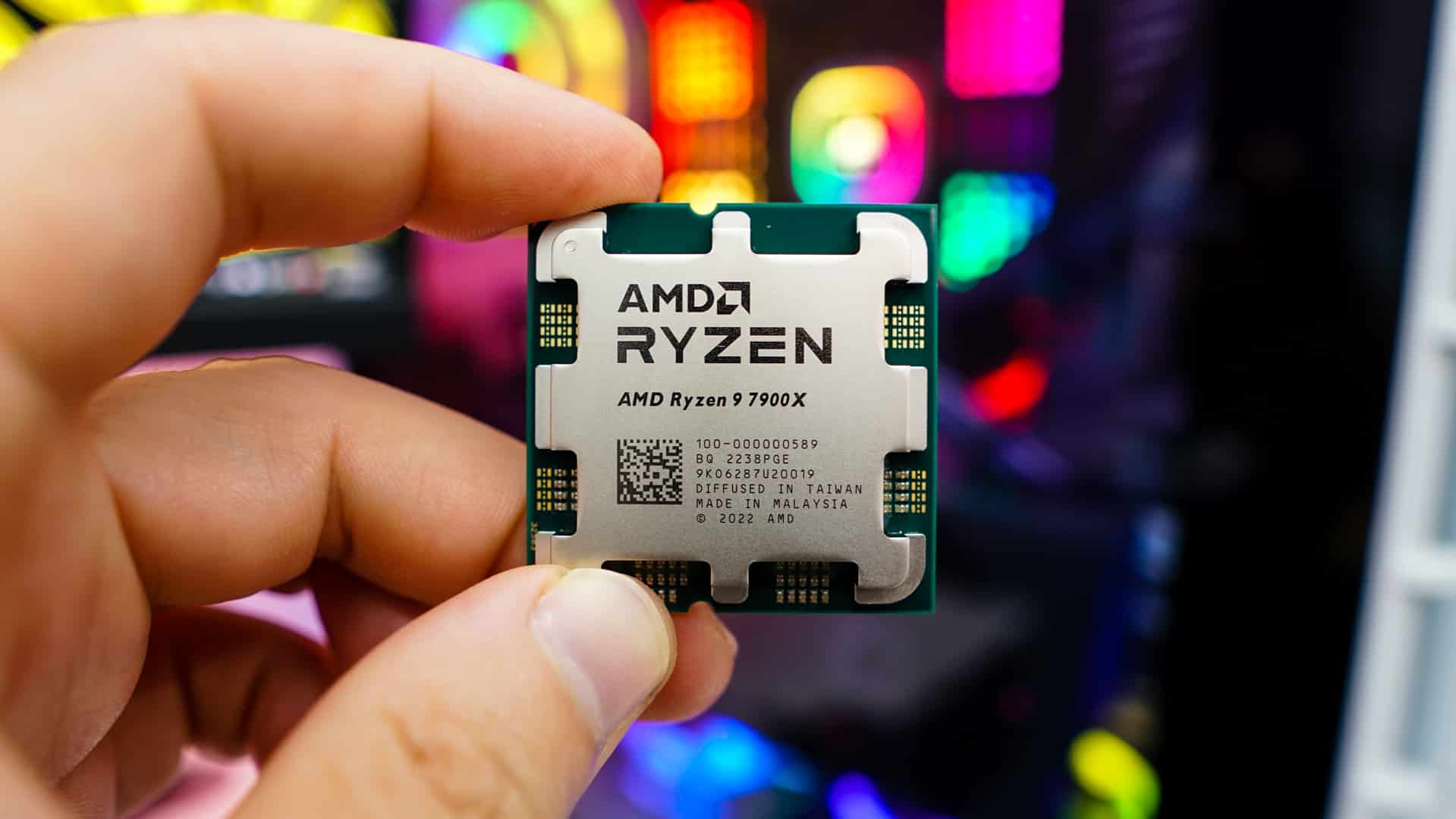
AMD has quietly removed Transparent Secure Memory Encryption (TSME) from its consumer-focused Ryzen processors, a feature that has been present for nearly a decade. This move, implemented without prior announcement, restricts TSME to AMD’s PRO-series CPUs, raising questions about the company’s commitment to security across its entire product line.
Key Takeaways
- AMD has removed Transparent Secure Memory Encryption (TSME) from its consumer Ryzen CPUs.
- TSME encrypts system memory to protect against physical exploits.
- The feature is now exclusive to AMD’s PRO-series processors.
- The removal was discovered through system audits and confirmed by AMD.
- This change impacts users concerned with data security, including cryptocurrency enthusiasts.
The Disappearance of TSME
Transparent Secure Memory Encryption (TSME) has been a valuable, albeit often unadvertised, security feature on AMD processors for years. Introduced around 2017, it encrypts data stored in the system’s RAM, effectively neutralizing threats like cold boot attacks where an attacker with physical access could extract sensitive information from memory modules. Initially a staple in Ryzen PRO and EPYC chips, TSME gradually made its way into mainstream consumer Ryzen processors.
However, recent investigations, particularly on systems running newer AGESA firmware versions (starting with 1.2.7.0), have revealed that TSME is no longer supported on standard consumer Ryzen CPUs. A Ryzen 7 9700X, based on the “Zen 5” architecture, was found to lack this encryption capability. AMD has confirmed that TSME is now exclusively part of AMD PRO Technologies, positioning it as a differentiator for their business-oriented offerings.

How the Removal Was Discovered
The absence of TSME was not immediately apparent to most users. Detecting its presence or absence on Windows systems can be challenging, often requiring specialized tools or checks on Linux-based operating systems. Security researchers and users performing system audits on Linux distributions noticed a missing encrypted RAM flag, even when TSME was seemingly enabled in the BIOS. Initial suggestions that motherboard firmware might be responsible were investigated and refuted, leading to direct inquiries with AMD.
AMD’s official response to these inquiries has been concise: “TSME is a security feature only applied to PRO CPUs as part of AMD PRO Technologies.” This indicates a deliberate product segmentation strategy rather than an accidental omission or a temporary firmware issue. The feature appears to be disabled at the silicon level on affected consumer chips.
Security Implications and User Reactions
The removal of TSME has significant implications, particularly for users handling sensitive data. This includes individuals managing hardware wallets, private keys for cryptocurrencies, or operating node software. While hardware wallets have their own secure elements, the host computer’s memory can still temporarily store critical information during operations like transaction signing or initialization. An unencrypted memory bus presents a potential attack vector that TSME was designed to mitigate.
Users have expressed frustration and concern over AMD’s silent approach to removing a security feature. Some compare the move to practices seen from competitors like Intel, viewing it as a step backward in consumer security. The lack of transparency surrounding the decision has fueled speculation and disappointment among a user base that may have chosen AMD partly for its perceived security posture.
For those prioritizing memory encryption, the PRO series of Ryzen CPUs now represents the only option within AMD’s lineup. This development also highlights the importance of checking specific security features when purchasing hardware, especially as competitors like Intel offer their own memory encryption technologies.
Via Ars Technica