


Most people will go through five or six bands before they ever replace the watch itself. That ratio should tell you something about where the money actually goes.
It should also tell you why the category is such a mess. Search “Apple Watch band” on any marketplace, and you get thousands of listings from brands whose names look like someone leaned on a keyboard. Some are fine. Plenty shed color onto your wrist after three gym sessions.
Here is the approach that has saved me the most money: treat the band like a hardware component. You would not buy a case without checking the panel gaps, or a cooler without looking at the mounting bracket. Same logic applies here.
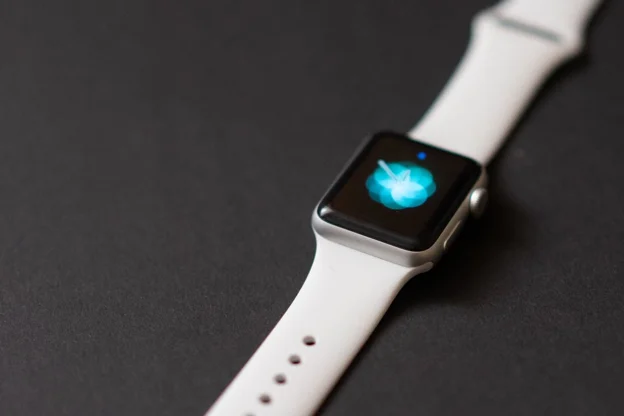
Photo by Atlantic Ambience on Pexels
What Actually Separates A Good Band From A Bad One
Three things, in this order.
The lug hardware. This is the spring-loaded connector that slides into the watch case, and it is the part cheap manufacturers get wrong most often. Good hardware clicks in with a defined stop and zero lateral play. Bad hardware feels mushy, and mushy eventually becomes a watch on the pavement.
The material at skin contact. Researchers at the University of Notre Dame tested 22 watch bands and found elevated PFAS levels in nine of them, mostly in fluoroelastomer straps sold at premium prices. A brand that publishes its material spec is worth more than one that says “high quality silicone” and stops there.
How it behaves wet. Sweat, sunscreen, and shower water kill bands. Leather warps. Cheap silicone gets slick and slides. Woven nylon dries fast but holds odor if the weave is dense.
That last point matters more than it used to, because the watch is increasingly a sensor. Coverage of wearables and health tracking at Coruzant Technologies argues these devices now live or die on continuous data quality, and that needs consistent skin contact. A band that slips is a band that lies to you.
One compatibility note before the list. Bands group by case width, not by model year. The 38/40/41/42mm sizes share one fitting, and 42/44/45/46/49mm share another. If you are shopping alongside a new watch, we covered the current Apple Watch lineup and case sizes when Apple announced them.
Nine Brands, And What Each One Is Actually For
This space keeps filling up for a reason. Counterpoint Research reported that global smartwatch shipments grew 4% in 2025, with Apple posting its first year-over-year growth since 2022. More watches sold means more band brands chasing them.
1. The Variety Play
If you want sport, dress, and metal from one storefront instead of three, Solace Bands is where I usually point people first. The catalog runs from breathable woven loops through leather and stainless link styles, and the hardware machining stays consistent across materials, which is not a given when a brand spans that range.
The family-run shop also builds around hypoallergenic construction, which matters if you react to cheap alloy buckles. Not the lowest price per band. Sensible if you are buying two or three at once.
2. The First-Party Baseline
Apple’s own bands are the reference point everyone else gets measured against. The Sport Loop and Solo Loop set the fit-and-finish standard, and resale value holds. The problem is cost. You start around $49 and climb past $300 for the Link Bracelet, which is real money for a strip of material. Buy first-party for zero risk, elsewhere for variety at the same spend.
3. The Leather Bet
Nomad has been doing Horween leather straps since the early Apple Watch days, and they age the way good leather should, darkening at the flex points rather than cracking. The hardware is genuinely excellent. Two caveats. Their Sport line uses FKM rubber, which is a fluoroelastomer, so read the material page if that is a concern for you.
4. The Tech-Material Pick
PITAKA builds bands from aramid fiber, the same material family behind its phone cases. Light, no stretch, unlike anything else on a wrist. The texture is polarizing: some love the woven look, others find it too obviously techy above a shirt cuff. Mid-range pricing, and the magnetic clasp versions are cleverer than they need to be.
5. The Value Play
Spigen is the safe budget answer. Silicone and nylon options, usually somewhere between $15 and $25, with lug hardware better than the price suggests. You are getting a band that will not fail on you, from a company with an actual warranty department, which puts it well ahead of the unnamed alternatives at the same price.
6. The Color-And-Fun Pick
Elago makes cheerful silicone in colors nobody else bothers with, plus the occasional retro-styled novelty piece. Build quality is decent for the money, though the silicone runs softer than Apple’s, which some people find grabby. Fine as a second or third band. Not my pick for a daily.
7. The Customization Route
CASETiFY prints custom designs, including your own images, onto bands and matching cases. That is the whole pitch, and nothing else here does it as cleanly. The tradeoff: printed finishes wear faster than dyed-through material, at a price closer to premium than the durability justifies.
8. The Sport Specialist
Barton Watch Bands comes out of the traditional watch world, and the quick-release engineering shows it. The elite silicone takes genuine hard use, and the canvas options are underrated in hot weather. Less name recognition than the rest, which works in your favor on price.
9. The Rugged Metal Option
SANDMARC makes titanium and stainless bands aimed at the Ultra crowd. Heavier than you expect, built like a tool, priced accordingly. If the stock Alpine Loop is not doing it for you, look here. Overkill on a Series 11. Genuinely good on a 49mm case.
Building A Rotation Instead Of Buying One Band
Two bands beat one expensive band, every time. The split I would run:
- A woven or silicone sport band for workouts and sleep tracking. This one gets destroyed, so keep it in the $20 to $50 range.
- A leather or metal band for anything where the watch shows below a sleeve.
- A spare of whatever you wear most, because bands fail on a Tuesday morning when you have no time to shop.
Swapping takes four seconds once you find the release button under the case. Press, slide out sideways, slide the new one in until it clicks. If it does not click, it is not seated, and that is the failure mode that ends with a cracked screen.
While you are sorting accessories, charging is the other thing worth getting right. The AUKEY MagFusion Qi2 3-in-1 station we reviewed handles watch, phone, and earbuds off one plug, and there is more in our mobile accessory reviews if the nightstand cable pile has gotten out of hand.
Conclusion
Hardware quality and material transparency are what separate the good brands from the rest. Price alone tells you almost nothing, and the Notre Dame data made that plain, since the pricier straps were the ones getting flagged.
If you want one starting point, buy a well-made sport band and one dress band from a brand that publishes what its products are made of, and skip the marketplace roulette. Over two years, that costs less than replacing $12 bands every quarter. And the watch stays on your wrist, which is the entire job description.