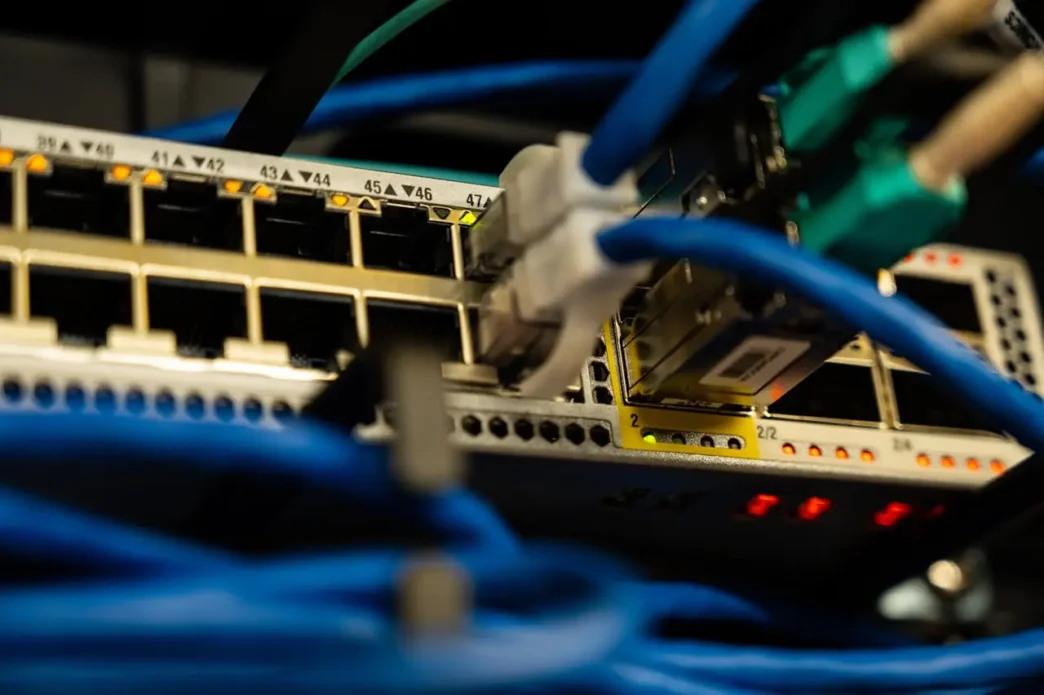
If you’ve got more than a couple of devices on your network, you’ve probably looked into getting a network switch.
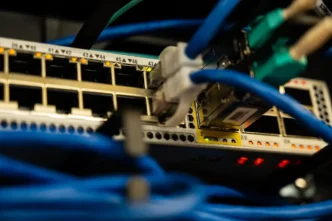
It’s that little box that lets your devices, computers, printers, and smart TVs share data and use the same internet connection efficiently. But some switches cost a few hundred bucks. Others? You’ll find them for under $50.
So what’s the difference? Are you just paying for a brand name? Or are the cheap ones going to let you down when it really matters?
Let’s break it all down, the real pros and cons of cheap network switches to help you make a smart call.
What Are “Cheap” Network Switches?
When we say “cheap,” we’re usually talking about switches that cost under $100.
These aren’t necessarily bad; they’re just built for simpler jobs.
- You’ll often see unmanaged switches in this price range.
- They might have 4 to 8 ports (instead of 24 or 48).
- No fancy features like VLANs, PoE, or monitoring tools.
They’re very common in home setups, small offices, or places where you don’t need much network control. If you’re wiring up a couple of devices in your home office, a basic model like the Juniper EX2300 could be more than enough for your needs.
Pros of Cheap Network Switches
1. They’re Budget-Friendly
When money’s tight, whether you’re a student, a startup, or just not trying to overbuild your network, cheap switches are a no-brainer.
You can get set up for under $50 and avoid overpaying for features you’ll never use.
2. Super-Easy Setup
Most low-cost switches are unmanaged. That’s a good thing if you hate fiddling with settings. Just plug in your Ethernet cables, and you’re live.
No need to log into a dashboard. No software updates. No stress. Perfect for those who aren’t tech-savvy.
3. Good Enough for Simple Setups
For basic jobs like these, a cheap switch does the trick:
- Streaming from a smart TV
- Connecting a printer to a home network
- Running a few desktop PCs in a small office
- Sharing files across a local network
If there’s not a ton of data flying around, you probably won’t even notice the difference.
Cons of Cheap Network Switches
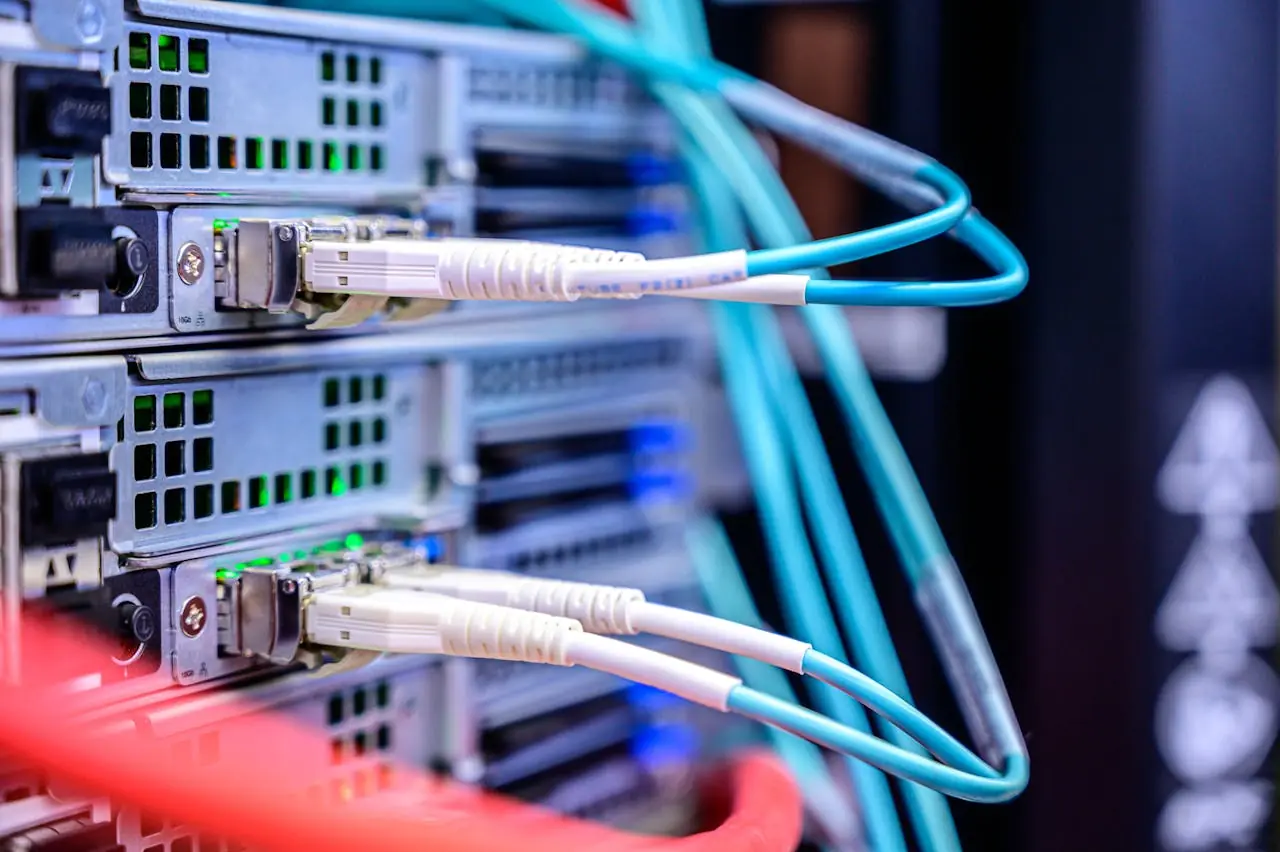
While they have their place, budget switches do have some clear limitations.
1. Limited Performance and Features
Cheaper switches often top out at 100 Mbps, while higher-end models offer Gigabit speeds.
They usually don’t support:
- VLANs (for segmenting your traffic)
- QoS (prioritising certain types of traffic)
- Link aggregation (combining ports for more bandwidth)
So if your network’s doing more than just the basics, cheap switches start to give problems. You may only get 10/100 Mbps instead of a full Gigabit, which slows things down, especially in larger setups.
2. Lower Build Quality
Low-cost switches are made with cheaper components. That means: They’re more likely to overheat, they have shorter lifespans, and you might notice packet loss or slowdowns under load.
They’ll work fine at first. But once you start adding more devices or moving large files, things can start to fall apart.
3. No Real Support or Updates
If something breaks, it will be difficult to find support. Most cheap brands don’t offer firmware updates, either. That means:
- Security flaws might never get patched
- You’re stuck with whatever bugs or quirks it shipped with
That’s fine in a home network. But for anything serious? Not ideal.
4. Can’t Grow with You
Cheap switches often have a maximum of 4 or 8 ports.
They don’t stack. You can’t easily link them to other switches, and they definitely don’t handle high traffic well. So, what happens when your network grows? You’ll be replacing it. Again.
That’s why switches like the Juniper EX3400-48T are often seen in businesses; they’re built for growth, performance, and longevity.
When a Cheap Switch Might Be Good Enough?
Not everyone needs top-tier gear. The cheaper switches are totally fine if you’re:
- Running a home network with 3 to 4 devices
- Setting up a temporary lab or test environment
- Connecting low-traffic stuff like IP phones, POS terminals, or basic printers
You’ll save money and still get the job done.
When to Avoid Cheap Switches?
Skip the budget route if you’re:
- Running a business-critical operation or data-heavy apps
- Building a network that needs to scale in the future
- Working in an environment that needs VLANs, PoE, or advanced security
You’ll run into headaches quickly. Better to go with something designed to handle it from day one.
So… Are Cheap Switches Worth It?
Short answer? Sometimes.
They work for simple jobs. If your needs are light, they’ll do fine. But if you plan to grow, need more speed, or can’t afford downtime, spending a bit more now could save you a lot later.
Determine what your network truly needs, then select the switch that best suits your network’s needs.