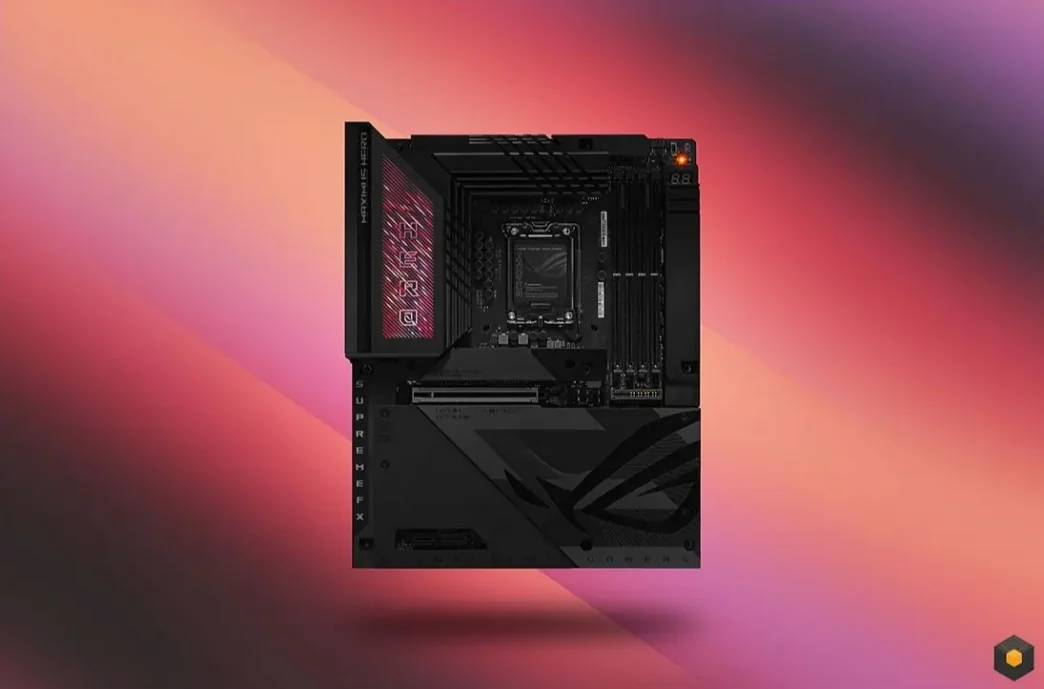
In a proactive response to long-standing stability issues affecting their Intel 13th and 14th Gen Core CPUs, ASUS and MSI have launched beta BIOS updates incorporating the new microcode aimed at addressing the problems faced by Raptor Lake users.
Short Summary:
- ASUS and MSI release beta BIOS updates to fix instability issues linked to Intel’s Raptor Lake CPUs.
- Microcode update 0x129 aims to mitigate the impacts of elevated voltage on system stability.
- Customers with already affected CPUs are advised to contact Intel for warranty options as the new update won’t resolve existing damages.
The ongoing issues with Intel’s 13th and 14th Gen CPUs, particularly the Raptor Lake series, have become a significant concern within the PC hardware community over the past few months. With many users reporting crashes and instability, especially during intensive workloads, the pressure has mounted on both Intel and motherboard manufacturers to provide a solution. In light of this, both ASUS and MSI have stepped up to offer beta BIOS updates equipped with the new microcode, designated as 0x129, aimed squarely at correcting these faults.

Background Informantion
The rise of instability issues first emerged throughout 2023 and into early 2024, leading to substantial attention and scrutiny from PC enthusiasts, gamers, and game developers alike. Intel itself commented on the situation, attributing the crashes to “elevated operating voltage” resulting from a microcode defect that led to inaccurate voltage requests. As a result, Intel has initiated a rollout of a microcode patch, bringing relief to affected users.
The Development of the Microcode Patch
The newly available beta BIOS updates, which include the microcode patch 0x129, are designed for both ASUS and MSI’s Z790 motherboards. Users, however, need to approach these beta updates with caution, as they carry inherent risks. ASUS shared the beta BIOS update across its Z790 product line, while MSI is set to gradually roll out updates for their lineup, particularly for models like the MEG Z790 GODLIKE and MPG Z790 series.
“The microcode update is a significant step forward in addressing the stability issues. However, it is imperative to note that it will not repair already compromised CPUs,” stated an ASUS spokesperson.
Rollout Updates and Availability
Both companies have been swift in their response. ASUS’s beta BIOS is now accessible across its ROG product lines at their official forums. On the other hand, MSI plans to provide BIOS updates to all Intel 700 and 600 series motherboards by the end of August.
- ASUS: Users can download beta BIOS for ROG MAXIMUS, STRIX, PROART, and AYW Z790 series motherboards. – More Info Here
- MSI: BIOS updates for Z790 GODLIKE MAX, Z790 ACE MAX, and other variants will be rolled out soon.
As the BIOS updates reach customers, it is essential to remind users that these are still considered beta versions. Early adopters should follow thorough instructions provided in the motherboard manuals to ensure a smooth and safe update process.
“It’s a delicate balance when it comes to updating BIOS systems. Users must ensure they are fully informed of their motherboard’s capabilities,” warned an MSI representative.
Effect on CPU Performance and Stability
The implication of this update reaches beyond just stability. Tech reviewers are gearing up to benchmark whether the new microcode has any influence on overall CPU performance, particularly in the areas of Turbo Boost and overclocking features. Intel has previously indicated that while the patch seeks to improve stability, it should not compromise performance—this remains to be seen with real-world testing.
That said, the community is skeptical. Buildzoid, a respected commentator on hardware issues, has suggested that users managing system voltages through tools like Intel’s Extreme Tuning Utility (XTU) may still experience performance drops, and therefore adjustments to underclocking parameters may become a necessity.
What Happens if You’re Already Affected?
For users whose CPUs have already exhibited instability symptoms, the new microcode is not a cure-all. Intel has made it clear through its customer support that existing issues cannot be rectified by the patch. Instead, it has extended warranties on its boxed 13th and 14th Generation processors—the affected parties are encouraged to reach out to Intel for a replacement.
“Those whose processors demonstrate instability should explore warranty options with Intel. The microcode patch is only a preventive measure moving forward,” an Intel representative mentioned during an update.
This situation has caused considerable concern among users, especially those utilizing high-end models like the Core i9-13900K and Core i9-14900K. Problems reported include unexpected shutdowns, crashing during high-load tasks, and even complete failures—all tying back to the aforementioned elevated voltage issues.
Future Expectations and Continued Testing
The anticipation surrounding these updates continues to grow as tech reviewers and enthusiasts eagerly await the stable versions of the BIOS updates. Initial feedback from beta users could shed light on whether the new patch effectively addresses the sporadic crashing and overall stability concerns plaguing the Raptor Lake CPUs.
Moreover, the tech community is keeping a keen eye on reports emerging from Intel and independent reviewers regarding the long-term implications of the microcode adjustments. Observations will be considered carefully to assess the promise of enhanced stability versus potential performance compromises.
Final Thoughts
In conclusion, while the path forward seems daunting for many Intel users, the release of these BIOS updates signifies a positive move toward resolving long-standing concerns. Tech enthusiasts and casual users alike should remain engaged, informed, and hopeful as the situation unfolds.