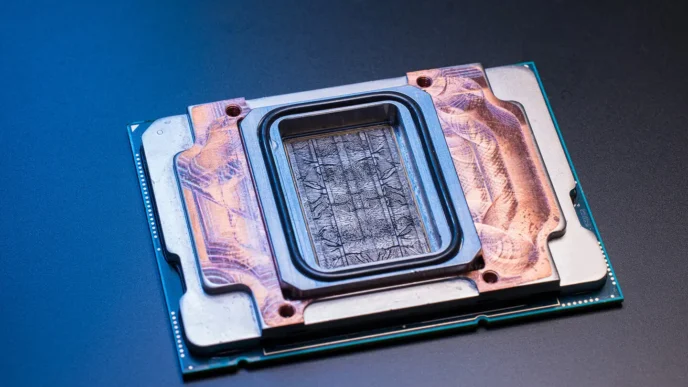

ASUS has introduced a groundbreaking prototype featuring a reinforced PCIe slot designed to deliver up to 250W of power directly to graphics cards. This innovation aims to simplify PC builds by potentially eliminating the need for separate power cables for many mid-range GPUs, streamlining internal layouts and enhancing aesthetics.
Key Takeaways
- ASUS proposes a reinforced PCIe slot capable of delivering 250W.
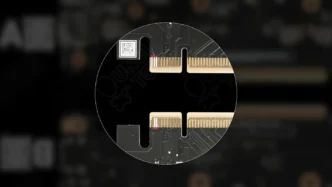
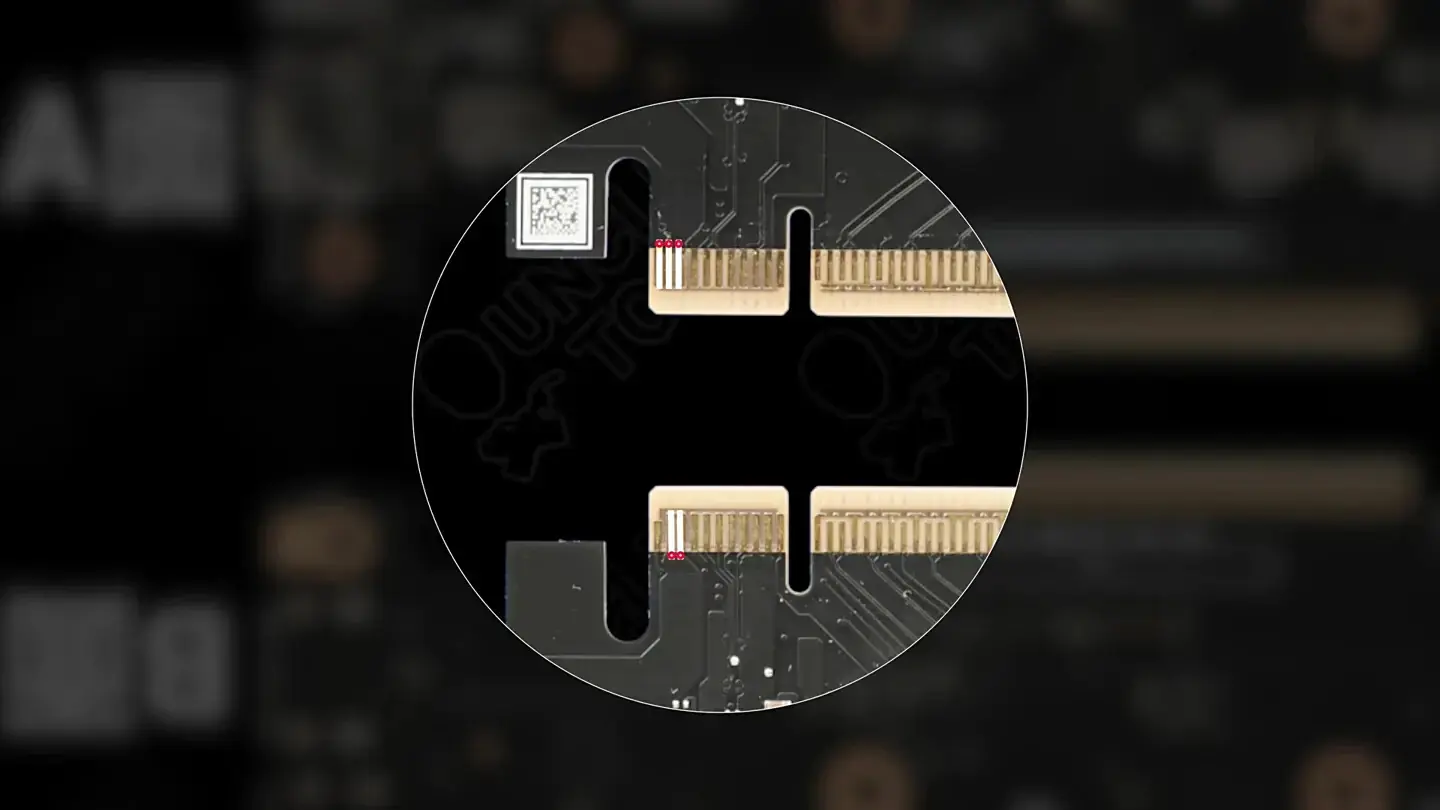
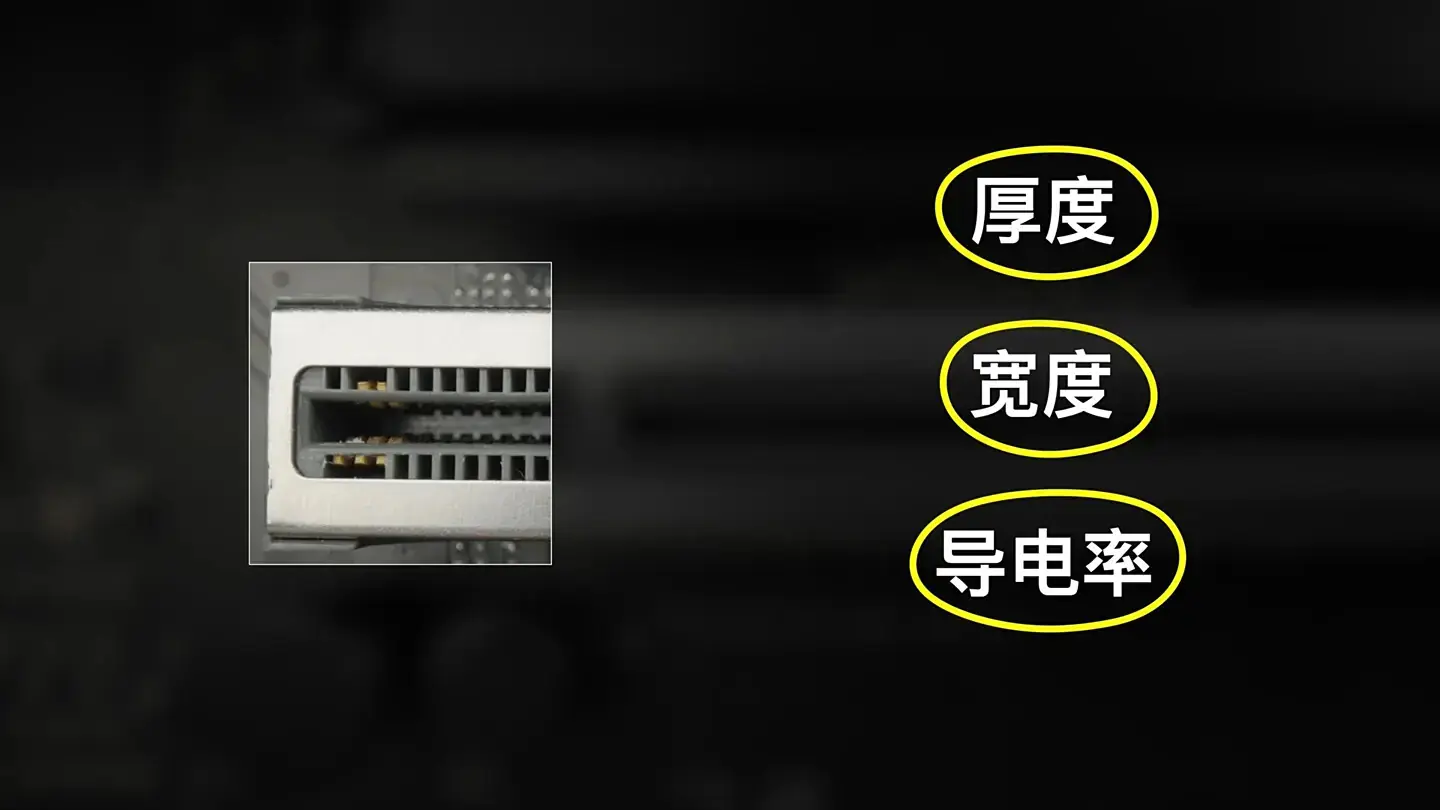
- The design involves wider and thicker contact pads on the card and enlarged copper areas in the slot.
- This could eliminate the need for external power cables for GPUs in the 180-220W range.
- Concerns exist regarding compatibility, potential fire hazards, and increased motherboard costs.
A Cable-Free Future for Graphics Cards?
ASUS’s innovative concept focuses on enhancing the physical power delivery path within the PCIe slot. Engineers have widened and thickened the contact pads on the graphics card’s interface and enlarged the copper area within the corresponding motherboard slot. By fusing multiple 12-volt lanes into more robust, lower-resistance conductors, ASUS aims to significantly increase the slot’s current capacity. This approach could be particularly beneficial for GPUs in the 180-220W power consumption bracket, offering users a cleaner, cable-free internal PC environment.
Addressing Power Delivery Challenges
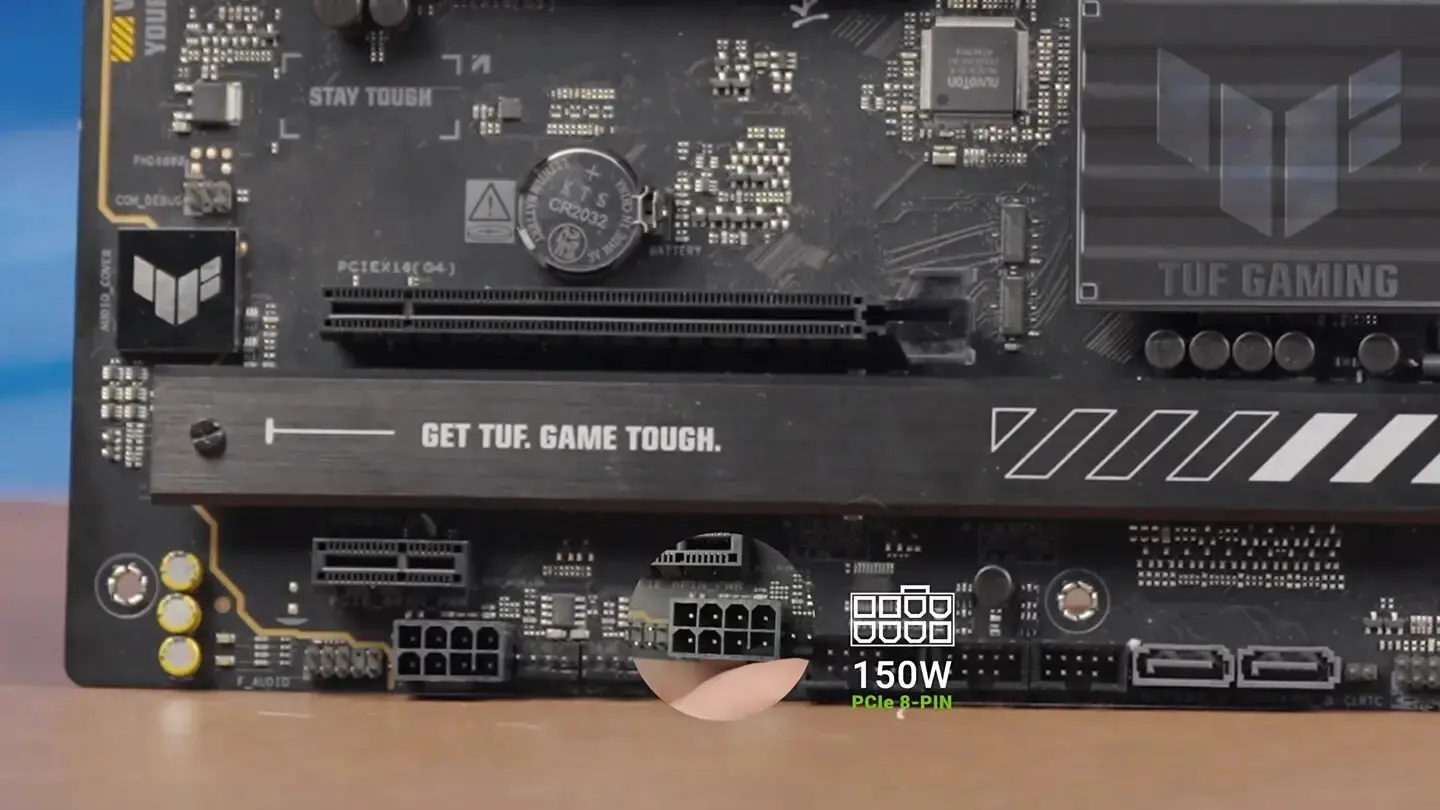
Traditionally, a standard PCIe slot provides 75W, supplemented by 8-pin power connectors that deliver an additional 150W, totaling 225W. ASUS’s proposal aims to push this boundary by leveraging a reinforced slot design, potentially moving the traditional 8-pin connector onto the motherboard itself to work in conjunction with the enhanced slot. This could simplify the power delivery chain for certain graphics cards, aligning with trends like ASUS’s own Graphics Card High-Power (GC-HPWR) connector, which offers higher power capabilities.
Industry Reaction and Potential Concerns
While the concept promises a cleaner build, it has also sparked debate within the tech community. Some users express concerns about the long-term reliability and safety of pushing higher wattages through the PCIe slot, drawing parallels to past issues with power connectors. There are also questions about the cost implications, with suggestions that such features might drive up motherboard prices. Furthermore, the success of this initiative hinges on widespread industry adoption to avoid becoming another niche standard. The PCI-SIG, the body responsible for PCIe standards, will play a crucial role in evaluating and potentially adopting such proposals to ensure compatibility and safety across the ecosystem.
Via IT Home