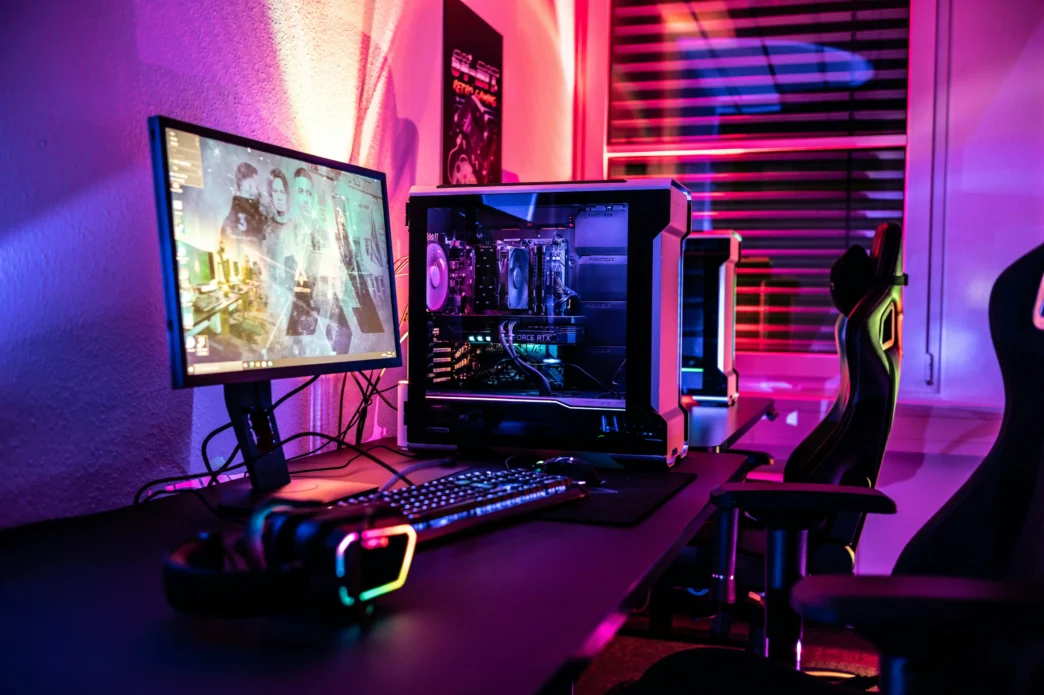
Gaming gives a certain rush that makes people go the extra mile to upgrade their hardware. For those who are into cloud gaming, this rush is also felt but not in exactly the same way.
Every gamer out there can relate to this feeling. Every gamer out there also knows that the way you play, whether cloud or local, determines whether you are totally in control or just at the mercy of your internet connection.
Let’s compare cloud gaming and local gaming to determine why one dominates the other.
The Cloud Dream and Its Reality Check
Cloud gaming promised freedom from bulky towers, driver updates, and overheating GPUs. All gamers need to do is launch a server and instant access is guaranteed. However, there is a catch that gamers will definitely notice the first time they try to land a perfect headshot or cast a split-second skill.
Even if users buy Arknights accounts to skip the grind and dive straight into competitive mode, latency doesn’t care. The cloud will slow you down because every command made needs to travel through WiFi, servers, and back again. Even just a micro-pause could be lethal. This is no exaggeration.
Sure, cloud gaming is convenient. However, you really don’t have full control with cloud gaming.
Local Gaming: The Old Guard That Still Reigns
Compared to cloud gaming, local gaming feels almost primal. You don’t have to worry about lag spikes and unpredictable compression. It’s just a closed loop between your machine and reflexes.
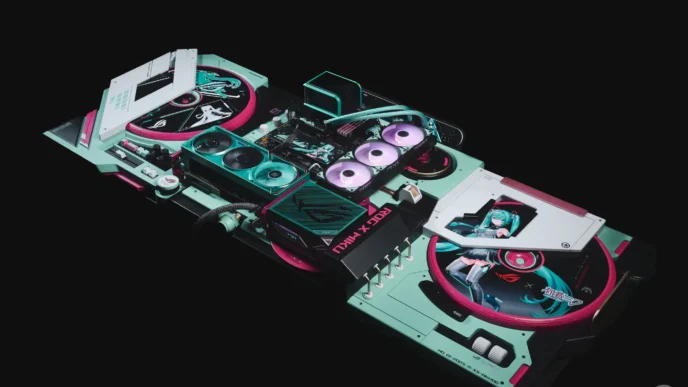
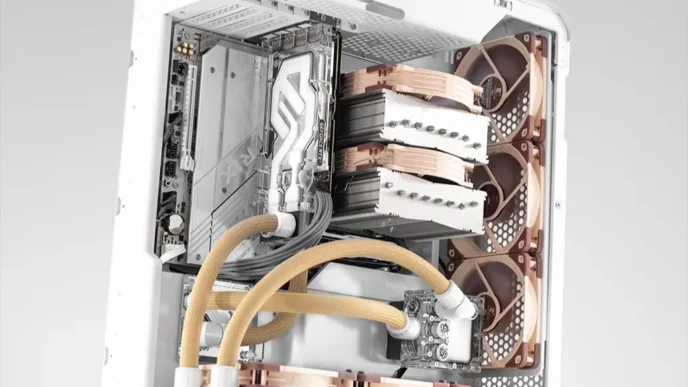
Local gaming has one hard rule: you get out what you put in. If you want zero lag, you need to upgrade your GPU, SSD, RAM, and even your monitor if you’re really serious about frame precision. With all these, you are guaranteed full control.
This is the main reason why professionals still swear by local setups. No eSports tournament runs off cloud servers, if you have noticed. This is because there is more control with local setups.
The Science Behind the Split-Second
Latency plays a huge factor in split-second moments in gaming. In cloud gaming, every bit of your input travels a long way. Even if you have the fastest internet connection, there will still be a fraction of delay.
With local hardware, you don’t have to worry about this. With local hardware, everything is just snappier. The reason behind this is simple: with local, things happen instantaneously. With cloud, it’s optimized but not instantaneous.
Where Cloud Gaming Still Wins
You might think that the cloud is useless after all of the above. However, it’s really not due to its evolution. It’s unbeatable for casual gaming since there is no need for installations and patch nightmares aren’t a thing to worry about. Cloud play can feel really smooth if you have a really good internet connection. However, consistency is never guaranteed.
As data centers move closer to users, the latency gap is shrinking. Technologies like edge computing and adaptive streaming are cutting those extra milliseconds. It’s because of this that cloud gaming can’t really dethrone local gaming yet.
The Competitive Reality
In competitive gaming, it’s all about eliminating variables. Local gaming always dominates at this time because you have predictability, and predictability is power. Until cloud gaming guarantees sub-20 ms latency wherever you are, it won’t be able to beat local gaming.
So while casual gamers are happy using cloud servers, competitive players are still on about upgrading their rigs, chasing frame rates, and optimizing cooling systems.
The Verdict
The cloud wins in terms of convenience. However, local setups overpower cloud gaming in terms of control. Sure, cloud gaming is the future’s promise. But in the present, it’s local gaming that serves as the sweetest reality.
Gamers can only hope that cloud gaming will be able to match local gaming punch-for-punch. But for now, serious players stick with local gaming.