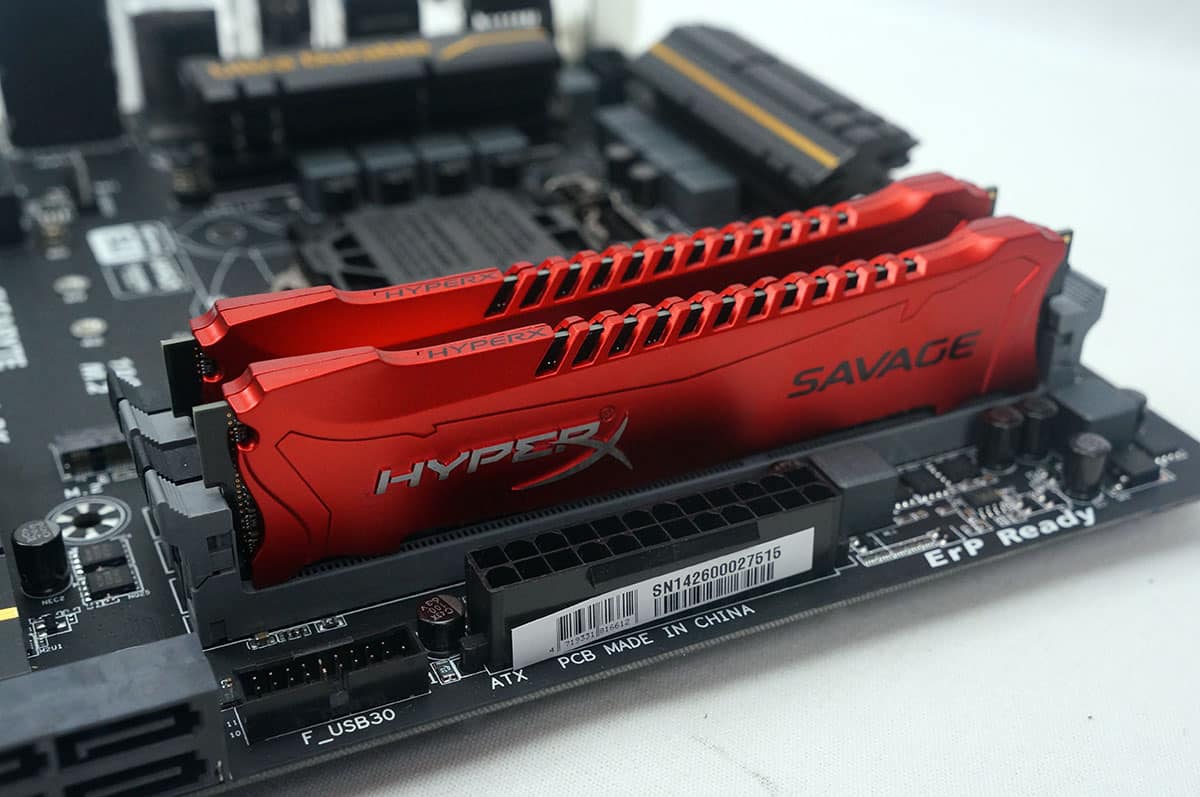
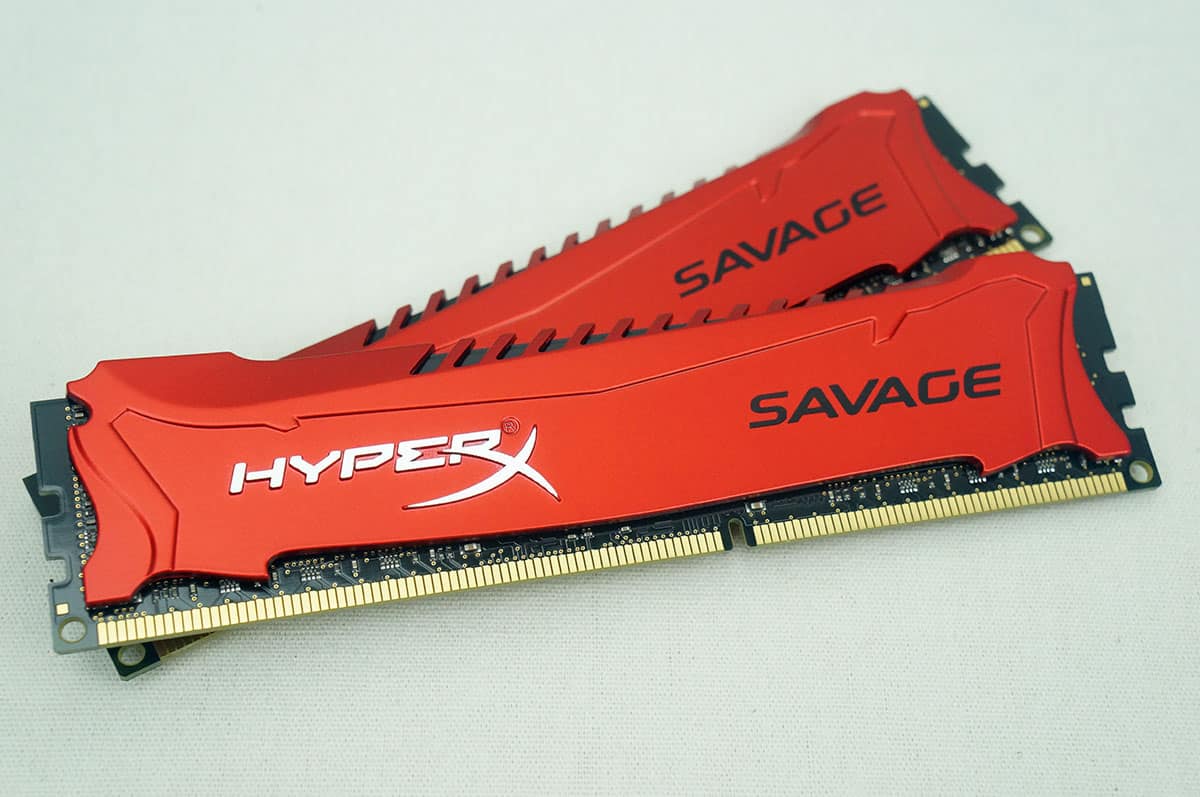
In a surprising turn of events, DDR3 memory, first introduced in 2007, is experiencing a significant comeback. Amidst severe global shortages driving up the prices of newer DDR4 and DDR5 RAM, consumers are increasingly turning to older, more affordable DDR3 platforms to build or upgrade their PCs. This trend is particularly noticeable in the Chinese DIY market, where demand for DDR3 motherboards has reportedly tripled.
Key Takeaways
- Severe shortages of DDR4 and DDR5 memory are causing prices to skyrocket.
- DDR3 platforms, once considered obsolete, are seeing a surge in demand due to their affordability.
- The Chinese market is leading this resurgence, with sales of DDR3 motherboards reportedly increasing by up to three times.
- Older Intel X99 HEDT platforms are being repurposed to support DDR3, offering high memory capacities at a fraction of the cost of modern systems.
- Consumers are seeking cost-effective solutions for memory capacity, even if it means compromising on peak performance.
The Memory Crunch
The current global memory shortage has sent prices for DDR5 RAM soaring, with some kits seeing a more than fivefold increase in price over the past year. For instance, a 32GB DDR5 kit can cost upwards of £358.49, while a similar capacity in DDR3 can be found for less than £145.96, and even under £75 on the second-hand market.
A Return to DDR3
This price disparity is pushing budget-conscious consumers back to DDR3. The Chinese market, in particular, is seeing a revival of DDR3 motherboards, often bundled with 6th to 9th generation Intel CPUs. These bundles are proving popular for lower-cost builds, offering a viable path to acquiring substantial memory capacity.
Repurposing Legacy Platforms
Intel’s X99 High-End Desktop (HEDT) platform, originally designed for DDR4, is being adapted by aftermarket manufacturers to support DDR3 and ECC DDR3 modules. This allows users to leverage older Intel Xeon processors with quad-channel memory configurations. Single-socket X99 systems can achieve up to 128GB of DDR3 memory, while dual-socket variants can support up to 256GB across eight channels. This offers workstation-grade capacity at significantly lower costs compared to modern alternatives.
Ingenuity in the Face of Shortages
Beyond DDR3, some users are also turning to laptop SODIMM memory, using adapters to fit them into desktop builds. SODIMM modules have seen slower price increases than standard desktop DIMMs, making them a temporary, cost-effective solution. While these workarounds may not offer the highest performance, they highlight the lengths consumers are going to secure the memory capacity they need during this challenging period.
Via Board Channels