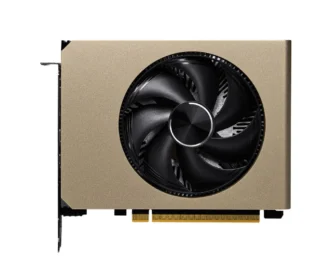
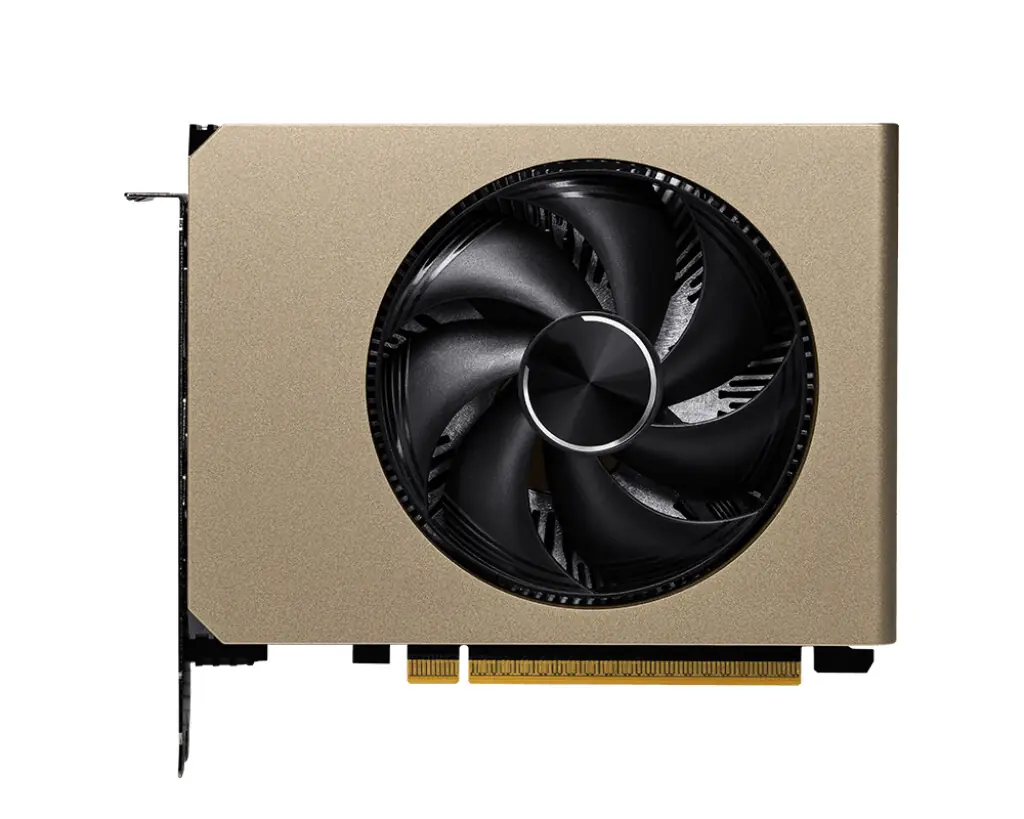
NVIDIA is reportedly re-prioritizing its GeForce RTX 50 series production, focusing heavily on the RTX 5060 and RTX 5060 Ti 8GB models. This strategic shift comes in response to escalating memory costs and supply chain challenges impacting GDDR7 modules. Consequently, higher-end RTX 50 series GPUs, including the RTX 5060 Ti 16GB and RTX 5070 Ti, are expected to see reduced shipments, leading to increased scarcity and inflated prices.
Key Takeaways
- NVIDIA is prioritizing the production and logistics of RTX 5060 and RTX 5060 Ti 8GB models.
- Shipments of RTX 5060 Ti 16GB and RTX 5070 Ti models are being cut.
- The move is a direct response to a global shortage and rising costs of consumer memory, particularly GDDR7.
- Higher-end RTX 50 series GPUs are becoming scarcer, with prices expected to rise significantly.
- Older GPUs, like the RTX 3060 8GB, may see increased production to meet entry-level demand.
Memory Crunch Drives Production Shift
The global DRAM crisis is significantly impacting the GPU market in 2026. NVIDIA’s decision to prioritize the RTX 5060 series, specifically the 8GB variants, is a direct measure to navigate the procurement difficulties of higher-density GDDR7 memory modules. By focusing on cards that require fewer memory chips, NVIDIA aims to maintain a more stable supply chain for its partners, particularly in key markets like China where these models are proving popular.
This strategy allows NVIDIA and its board partners to produce two 8GB cards for the cost and complexity of producing one 16GB card. This move, however, may face resistance from gamers who have voiced concerns about insufficient VRAM in lower-tier GPUs.

Impact on Higher-End GPUs and Pricing
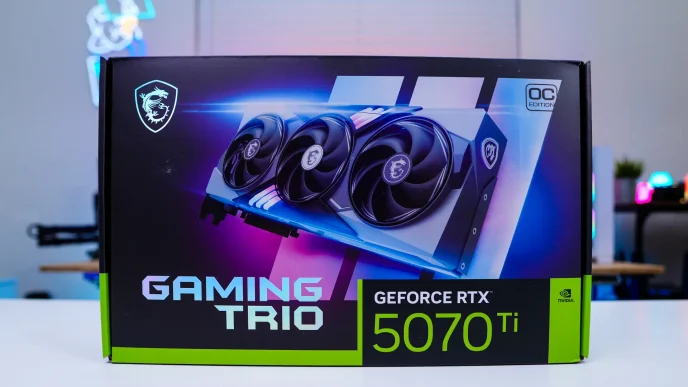
The pivot to prioritize the RTX 5060 series means that higher-end models like the RTX 5060 Ti 16GB and RTX 5070 Ti will face reduced production. This scarcity is already contributing to significant price increases. For instance, the flagship RTX 5090, originally priced at $1999 MSRP, is now frequently found selling for over $3500, with some listings exceeding $5000. Similarly, the RTX 5080 and RTX 5070 Ti are experiencing markups well above their MSRPs.
Industry analysts predict that these elevated prices for mid- to high-end GPUs could persist, potentially until late 2027 or early 2028, as memory production capacity struggles to keep up with demand from both the gaming and AI sectors. Some reports even suggest that NVIDIA might bring older, more affordable GPUs back into production to fill the gap in the entry-level market.
Broader Industry Implications
The memory shortage is not isolated to NVIDIA. Other tech giants, including laptop and smartphone manufacturers, are reportedly considering delaying product launches or reducing RAM configurations in their flagship devices to manage costs. Even next-generation consoles from Microsoft and Sony are rumored to be facing potential delays due to these supply chain issues. The situation underscores the critical role of memory components in the current technological landscape and the ripple effects of supply disruptions across multiple industries.
Via Board Channels